

Principle and Working Scene Characteristics of Adjustable Weighing Powder Pneumatic Conveying Equipm
HeadPowder, a leading manufacturer based in Shandong, China, specializes in the design and production of advanced pneumatic conveying systems tailored for powder handling applications. The adjustable weighing powder pneumatic conveying equipment is a sophisticated solution that integrates precise weight measurement with efficient material transport, addressing the critical needs of industries that require accurate and reliable powder handling. This equipment is engineered to ensure optimal performance in various operational scenarios, combining technological innovation with practical application to meet the demands of modern industrial processes.
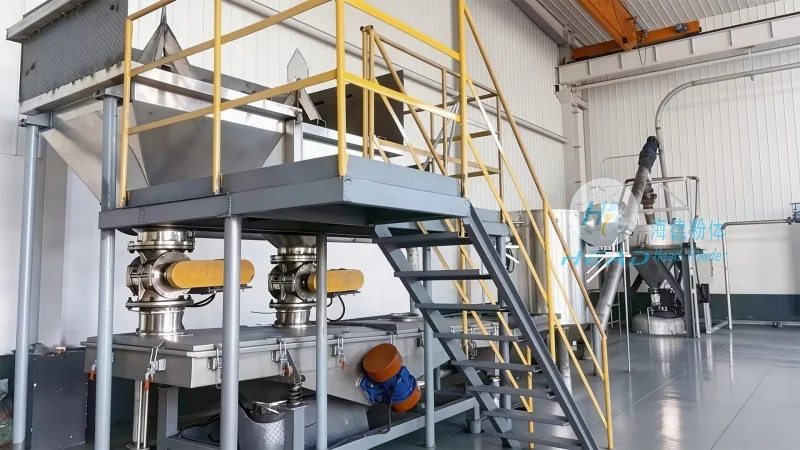
Principle of Operation for Adjustable Weighing Powder Pneumatic Conveying
The core principle of the adjustable weighing powder pneumatic conveying system lies in the controlled transport of powders using a pressurized air stream. Unlike traditional methods that may suffer from material degradation or uneven distribution, this equipment employs a closed-loop system that maintains consistent pressure and flow rates. The weighing mechanism is integrated into the conveying line, allowing real-time monitoring of the material mass being transported. This integration enables precise control over the feeding rate, ensuring that the material is delivered at the exact required quantity. The system operates by drawing the powder from a hopper or storage silo, conveying it through a pipeline under positive or negative pressure, and then discharging it at the destination point. The adjustable nature of the equipment allows for customization of the conveying parameters, such as air velocity and pressure, to accommodate different powder types and particle sizes. This adaptability is crucial for handling a wide range of materials, from fine powders to bulk solids, without compromising on the accuracy of the weighing process.
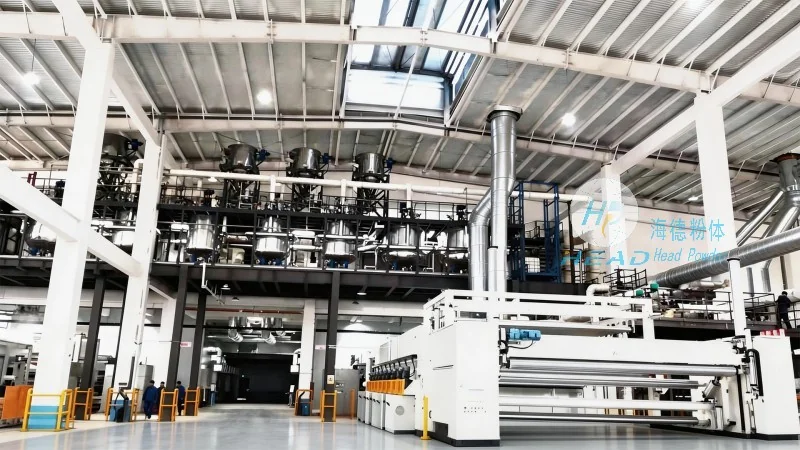
Key Working Scene Characteristics
The adjustable weighing powder pneumatic conveying equipment is designed to operate effectively in diverse industrial environments, each with unique requirements for material handling. One of the primary characteristics is its ability to handle powders with varying flow properties, including cohesive or non-cohesive materials. The system's design minimizes material degradation and segregation, which are common issues in traditional pneumatic conveying systems. This is achieved through the use of smooth, corrosion-resistant pipelines and specialized valves that prevent particle attrition and maintain uniform particle size distribution. Another significant characteristic is the equipment's integration with process control systems, enabling automated operation and data logging. This feature is particularly valuable in industries where batch processing and quality control are essential, such as pharmaceuticals, food processing, and chemical manufacturing. The equipment also offers flexibility in terms of layout and installation, as it can be configured for both horizontal and vertical conveying, depending on the spatial constraints of the facility. This adaptability makes it suitable for both new installations and retrofitting existing production lines.
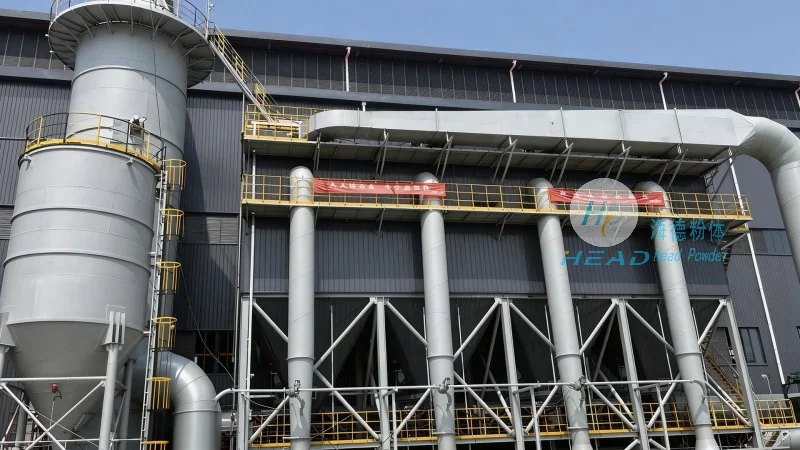
Applications and Industry Integration
The adjustable weighing powder pneumatic conveying equipment is widely used across various industries that rely on efficient and accurate powder transport. In the pharmaceutical industry, for example, the equipment is employed to handle active pharmaceutical ingredients (APIs) and excipients with high precision, ensuring compliance with stringent regulatory standards. The weighing function allows for exact dosing, which is critical for maintaining product consistency and quality. In the food processing sector, the system is used to convey ingredients like flour, sugar, and spices, where hygiene and contamination control are paramount. The closed-loop design of the equipment prevents cross-contamination and maintains the integrity of the food products. Similarly, in the chemical industry, the equipment is utilized for transporting bulk chemicals, such as powders used in the production of fertilizers or coatings. The adjustable parameters allow for the handling of corrosive or abrasive materials without damaging the system components. The equipment's versatility also extends to the mining and minerals sector, where it is used to transport ore powders and other raw materials from storage to processing units. In each of these applications, the equipment's ability to provide accurate weighing and reliable transport contributes to increased productivity and reduced operational costs.
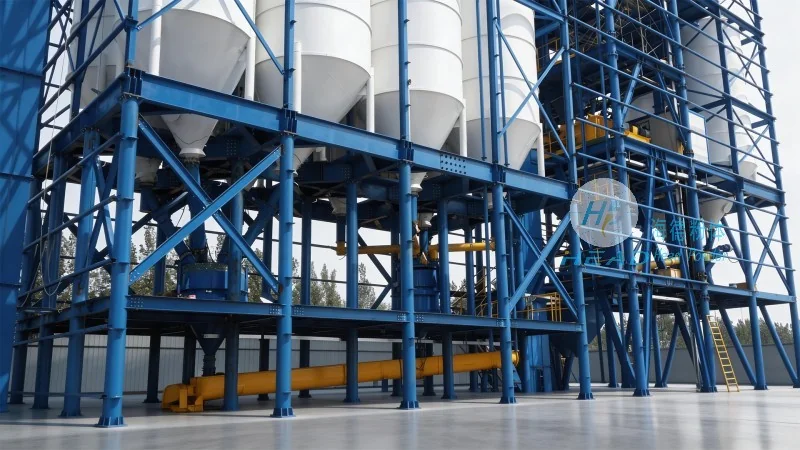
Advantages and Technical Specifications
Several key advantages distinguish the adjustable weighing powder pneumatic conveying equipment from conventional systems. The primary benefit is the integration of weighing technology, which eliminates the need for separate weighing scales and improves overall process efficiency. This integration also enables real-time monitoring and control, allowing operators to adjust the conveying parameters dynamically based on process feedback. Another advantage is the equipment's ability to handle a wide range of powder types and particle sizes, making it a versatile solution for diverse industrial needs. The system's design minimizes material loss and waste, as the closed-loop operation ensures that all material is accounted for and delivered to the intended destination. Additionally, the equipment is engineered for durability and low maintenance, with components made from high-quality materials that resist corrosion and wear. Technical specifications include adjustable conveying rates, ranging from low to high flow capacities, depending on the application. The system can operate under both positive and negative pressure, providing flexibility in system design. The weighing accuracy is typically within a tight tolerance, ensuring that the material is delivered at the exact required quantity. These specifications make the equipment suitable for high-precision applications where even small variations in material quantity can impact product quality.