

Principle and Working Scene Characteristics of Bottom-Hopper Powder Pneumatic Conveying Equipment
Bottom-hopper powder pneumatic conveying equipment is a specialized system designed for the efficient transport of bulk powders from storage hoppers to processing or packaging stations. This technology plays a crucial role in various industrial applications, offering advantages such as reduced material handling costs, improved safety, and enhanced process control. The following sections will delve into the fundamental principles behind this equipment and explore the typical working scenarios where it is most effectively utilized.
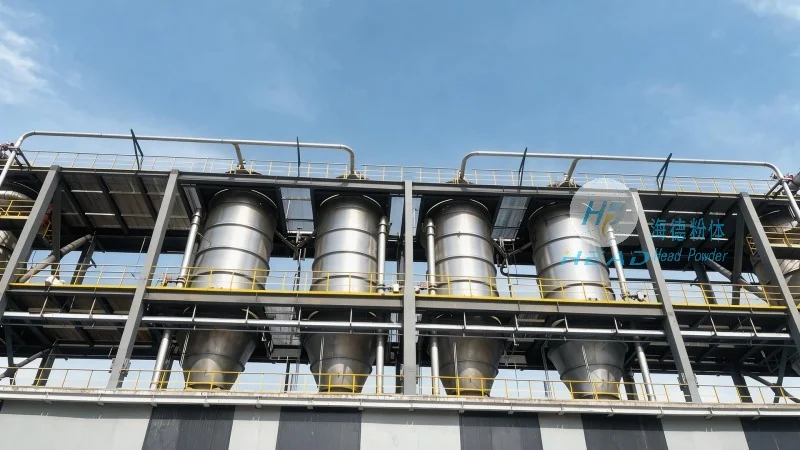
Overview of Bottom-Hopper Powder Pneumatic Conveying Systems
At the core of bottom-hopper powder pneumatic conveying systems is the use of air as the conveying medium to transport dry powders. The system typically consists of a hopper, a conveying line, a blower or air compressor, and a receiver. The hopper, often equipped with a bottom outlet valve, serves as the storage container for the bulk material. When the conveying process is initiated, the air compressor generates a high-pressure airflow that draws the powder from the hopper through the conveying line. The powder is then carried to the destination, such as a mixer, dryer, or packaging machine, where it is deposited. The system's design ensures that the powder is transported without the need for mechanical components like belts or buckets, which can be prone to wear and maintenance issues.
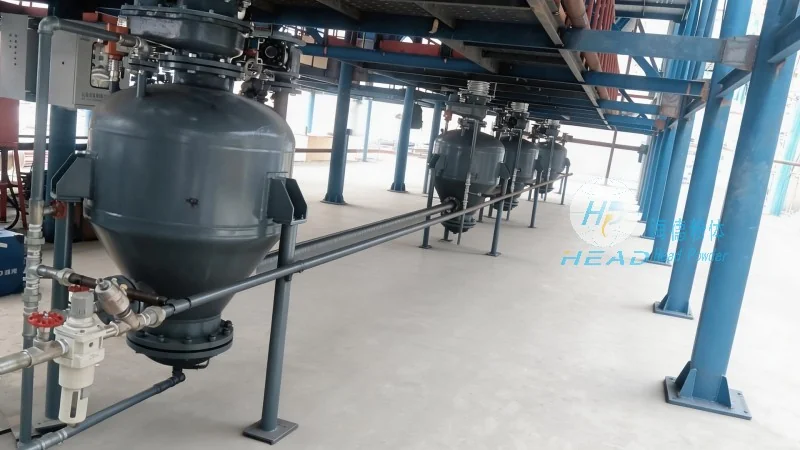
Key Working Principles of the Equipment
The operation of bottom-hopper powder pneumatic conveying equipment is based on several key principles. The first is the creation of a pressure differential between the hopper and the receiving vessel. By applying a positive pressure or creating a vacuum, the system forces the powder to move through the conveying line. The second principle involves the use of air velocity to suspend and transport the particles. The air velocity must be sufficient to overcome the gravitational force acting on the powder particles, ensuring they remain airborne and are carried to the destination. Additionally, the system may incorporate features like pulse-jet or rotary valves to control the flow rate and prevent blockages, which are critical for maintaining consistent performance. The design of the hopper and outlet valve is also crucial, as it determines the efficiency of powder discharge and the prevention of material bridging or caking, which can impede the conveying process.
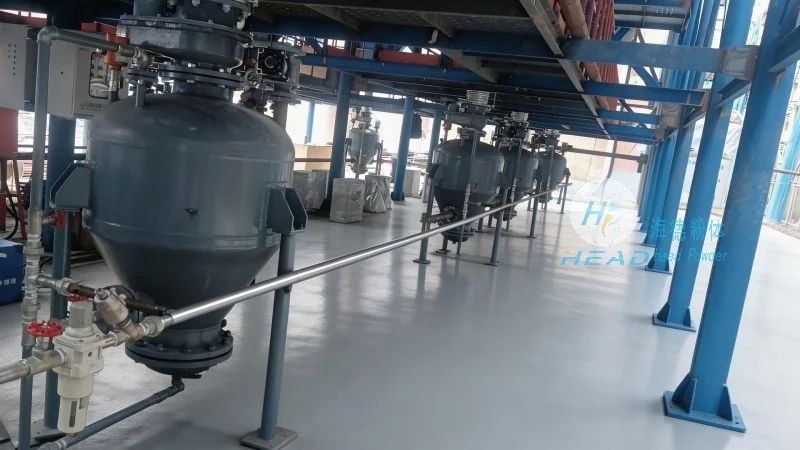
Typical Working Scenarios and Applications
Bottom-hopper powder pneumatic conveying equipment is widely used in various industrial sectors, including pharmaceuticals, food processing, chemical manufacturing, and cement production. In pharmaceutical applications, the system is employed to transport active pharmaceutical ingredients (APIs) and excipients with high purity requirements, ensuring that the powder is handled in a sterile and controlled environment. The equipment's ability to minimize contamination and maintain product integrity makes it ideal for these sensitive materials. In the food industry, it is used to convey ingredients like flour, sugar, and spices to production lines, where consistent quality and hygiene are paramount. The system's design allows for easy cleaning and maintenance, which is essential for meeting regulatory standards. In chemical manufacturing, the equipment is utilized to transport raw materials and intermediates, often in hazardous environments where mechanical handling may pose safety risks. The use of air as the conveying medium eliminates the need for direct contact with the material, reducing the risk of contamination and exposure to harmful substances. In cement production, the system is employed to transport raw materials like limestone and clay from storage silos to the grinding mills, where they are processed into clinker. The high capacity and reliability of the bottom-hopper system make it suitable for handling large volumes of bulk materials in this industry.
Advantages and Considerations in Different Working Environments
When considering the implementation of bottom-hopper powder pneumatic conveying equipment, several advantages and considerations must be taken into account. The primary advantage is the reduction in labor costs associated with manual handling of bulk powders. The system automates the transport process, minimizing the need for human intervention and reducing the risk of accidents. Additionally, the equipment offers improved safety by eliminating the need for workers to handle heavy or hazardous materials directly. The system also provides better process control, as the flow rate and pressure can be precisely regulated, ensuring consistent material delivery to downstream processes. However, there are also considerations related to the material properties of the powder being conveyed. For example, powders with high moisture content or those that tend to agglomerate may require additional equipment, such as a pre-drying or de-agglomeration unit, to ensure smooth operation. The system's design must also account for the specific characteristics of the material, such as particle size, density, and flowability, to optimize performance and prevent issues like blockages or uneven flow. Furthermore, the environmental impact of the system, particularly the energy consumption of the air compressor, should be considered when evaluating its overall efficiency. Modern systems often incorporate energy-efficient designs and variable speed drives to minimize operational costs and environmental footprint.
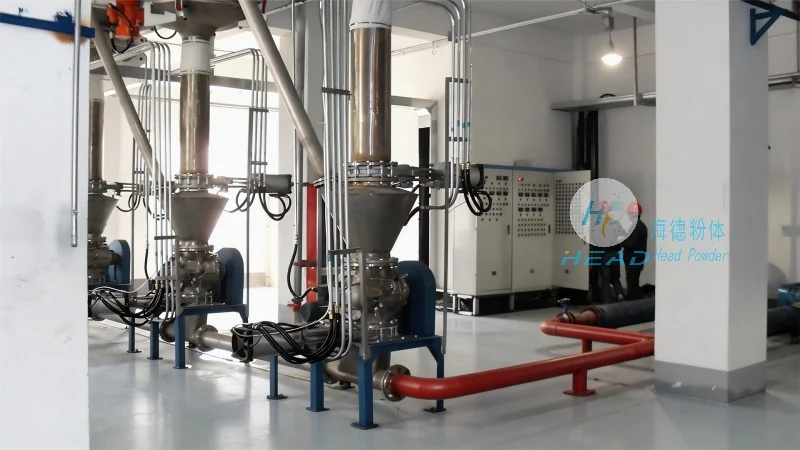
Conclusion
Bottom-hopper powder pneumatic conveying equipment represents a sophisticated solution for the efficient and safe transport of bulk powders in various industrial applications. By leveraging the principles of pneumatic conveying, this technology offers significant advantages over traditional mechanical handling methods, including reduced costs, improved safety, and enhanced process control. The working scenarios and applications of this equipment are diverse, spanning multiple industries and material types. As technology continues to advance, the design and efficiency of bottom-hopper systems are likely to improve, further expanding their role in modern industrial processes. For companies operating in sectors that rely on bulk powder handling, investing in such equipment can lead to long-term benefits in terms of operational efficiency and product quality.