

Principle and Working Scene Characteristics of Wheat Bran Powder Pneumatic Conveying Line
Wheat bran, a byproduct of the milling process, is widely used in various industries such as animal feed, biofuel production, and food processing. Efficient and reliable transportation of wheat bran powder is crucial for maintaining production efficiency and product quality. Pneumatic conveying systems have emerged as a preferred solution for handling wheat bran due to their ability to transport powders in a dust-free environment, reducing contamination risks and improving operational safety. This technology is provided by Shandong HeadPowder Engineering Co., Ltd., a leading manufacturer of industrial conveying systems based in Shandong, China.
Introduction to Wheat Bran Powder Pneumatic Conveying Systems
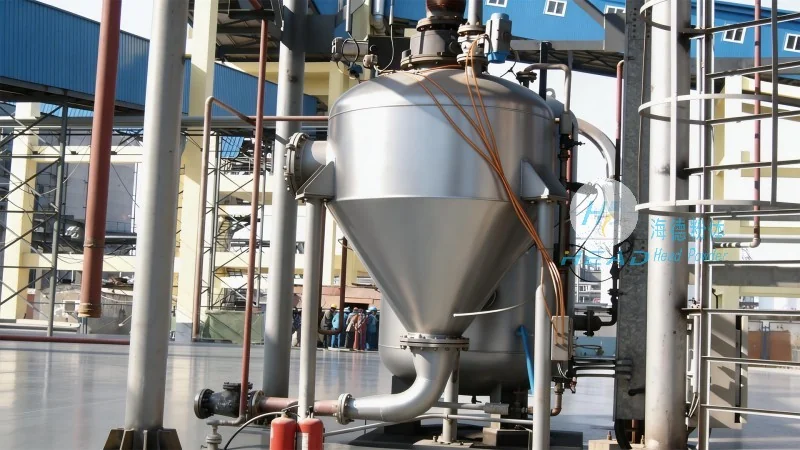
Pneumatic conveying, also known as powder pneumatic transport, utilizes air to move dry bulk materials like wheat bran through a pipeline system. This method offers several advantages over traditional mechanical conveying, including reduced equipment wear, lower maintenance costs, and the ability to handle materials that are difficult to transport with conventional methods. The core components of a wheat bran powder pneumatic conveying line typically include a material hopper, a feeder, a conveying pipeline, a separator, and a dust collector.
Principle of Operation
The operation of a wheat bran powder pneumatic conveying line is based on the principle of air flow and pressure differentials. The system works by creating a pressure differential between the material hopper and the discharge point. The feeder introduces wheat bran into the conveying pipeline, where it is mixed with compressed air. The air flow carries the wheat bran particles through the pipeline to the destination, such as a storage silo or processing unit. The separator then separates the wheat bran from the air stream, allowing the air to be recirculated or discharged, while the wheat bran is collected for further use.
Key Components and Their Functions
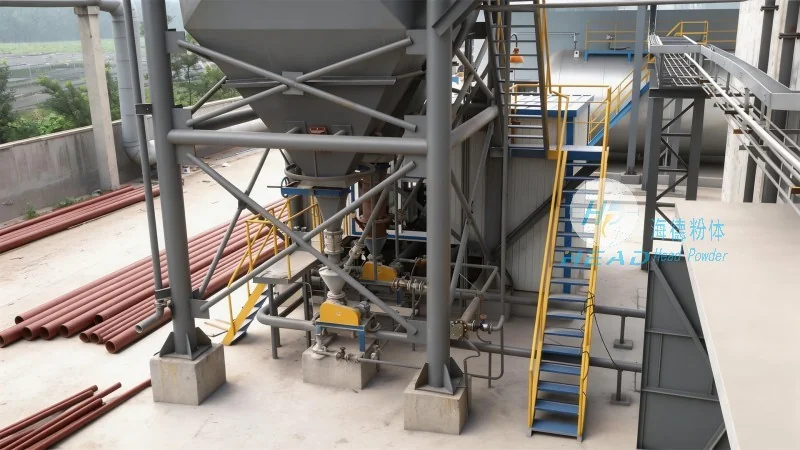
Each component in the wheat bran powder pneumatic conveying system plays a critical role in ensuring efficient and reliable operation. The material hopper stores the wheat bran and provides a consistent feed to the feeder. The feeder, often a rotary valve or a screw feeder, controls the flow rate of the wheat bran into the conveying pipeline, ensuring a steady supply of material. The conveying pipeline, usually made of stainless steel or plastic, transports the wheat bran and air mixture. The separator, which can be a cyclone or a bag filter, separates the wheat bran from the air, preventing dust emissions and maintaining a clean environment. The dust collector, if used, further cleans the air before it is released or recirculated.
Working Scene Characteristics
The working scene characteristics of a wheat bran powder pneumatic conveying line are tailored to the specific needs of the application. For example, in animal feed production, the system may need to handle large volumes of wheat bran with high efficiency and low dust generation. In biofuel production, the system may require a higher conveying velocity to transport the material over longer distances. The system's design can be customized to meet these requirements, ensuring optimal performance in the specific working environment.
Advantages of Wheat Bran Powder Pneumatic Conveying
Wheat bran powder pneumatic conveying systems offer several advantages over other conveying methods. These include reduced product contamination due to the enclosed pipeline system, improved operational safety as there are no moving parts in direct contact with the material, and lower energy consumption compared to some mechanical conveying systems. Additionally, the system can be easily integrated with other processing equipment, such as mixers or grinders, to form a complete production line.
Application Examples
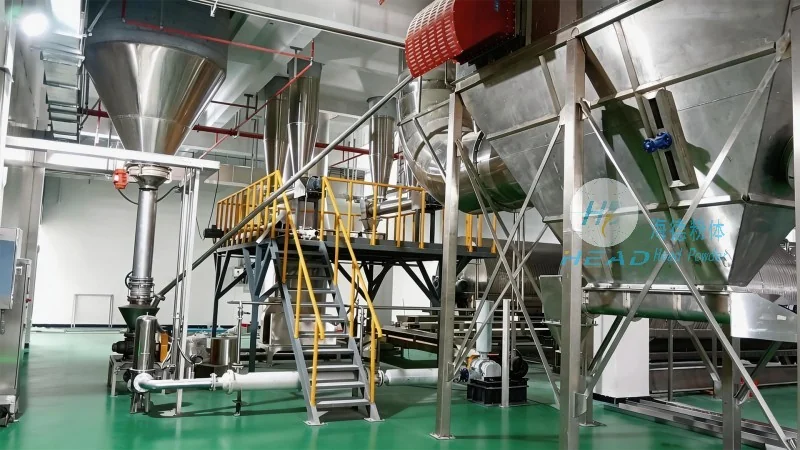
Wheat bran powder pneumatic conveying systems are widely used in various industries. In the food industry, they are used to transport wheat bran for use in animal feed and pet food production. In the biofuel industry, they are used to transport wheat bran to bioreactors for fermentation processes. In the pharmaceutical industry, they are used to transport wheat bran as a raw material for dietary supplements. The versatility of the system makes it suitable for a wide range of applications where efficient and reliable powder transport is required.
Conclusion
Wheat bran powder pneumatic conveying lines are an essential part of modern industrial processes, providing efficient and reliable transportation of wheat bran powder. The system's design, based on pneumatic principles, offers several advantages over traditional conveying methods, including reduced contamination, improved safety, and lower maintenance costs. By understanding the principle of operation and the key components of the system, users can select and operate a system that meets their specific needs, ensuring optimal performance and product quality.