

Several Solutions for Pneumatic Conveying of Bean Cake
For industrial applications involving the handling of bean cake, efficient and reliable material transport is crucial. Pneumatic conveying systems offer a versatile solution to move bean cake from one location to another, ensuring minimal product degradation and operational efficiency. This article explores several effective methods for pneumatic conveying of bean cake, highlighting the technical aspects and practical considerations for each approach.
Overview of Pneumatic Conveying Systems
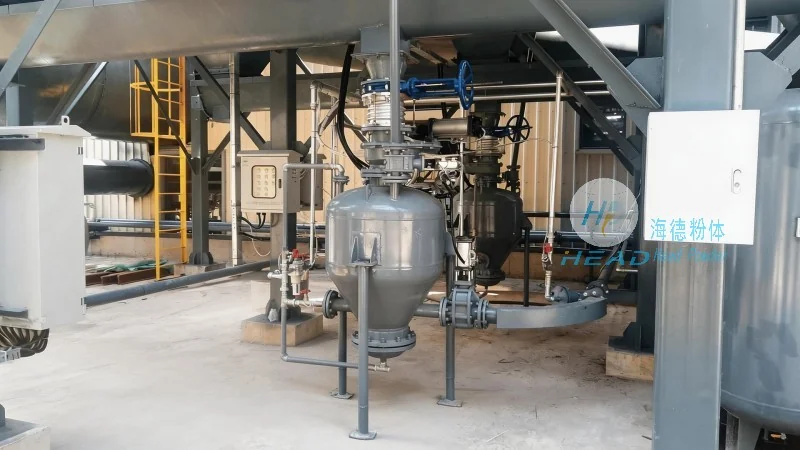
Pneumatic conveying systems utilize air or other gases to transport bulk materials like bean cake through a pipeline network. These systems are widely used in the food processing industry due to their ability to handle sensitive products without mechanical contact, reducing the risk of contamination and maintaining product quality. The core components of a pneumatic conveying system typically include a material feed hopper, a conveyor line, a control valve, and a receiver or discharge point. The choice of system design depends on factors such as the material's properties, the distance to be covered, and the required throughput.
Method 1: Dilute Phase Pneumatic Conveying
Dilute phase pneumatic conveying is a common method for transporting bean cake over moderate distances. In this system, the material is suspended in a high-velocity air stream, allowing it to be carried through the pipeline. The key advantage of this method is its ability to handle long conveying distances with relatively low pressure requirements. However, it may require higher air volumes and may not be suitable for materials with high moisture content or fine particles that could cause clogging. The system typically operates at air velocities between 20 to 30 meters per second, ensuring the material remains suspended and transported efficiently. For bean cake, which is a relatively dense and cohesive material, this method may require additional measures such as pre-drying or the use of additives to prevent agglomeration during transport.
Method 2: Dense Phase Pneumatic Conveying
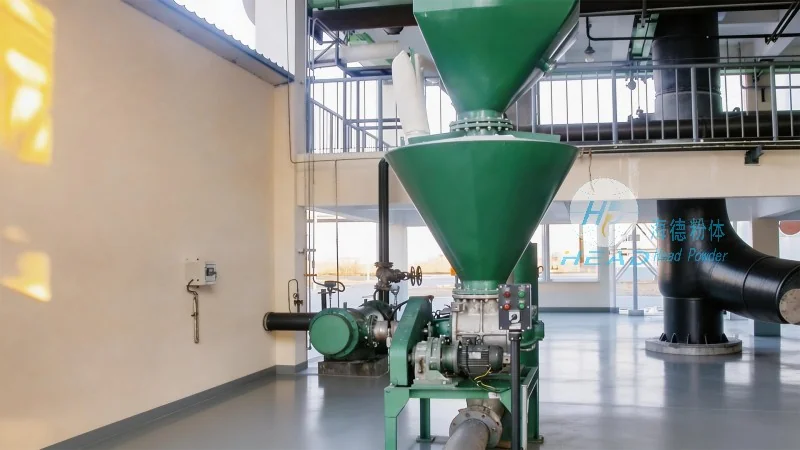
Dense phase pneumatic conveying, also known as low-velocity conveying, is another effective solution for bean cake transport. Unlike dilute phase systems, dense phase systems operate at lower air velocities, typically between 5 to 15 meters per second, and higher pressure. The material is conveyed in a slurry-like state, where the particles are densely packed and move in a more controlled manner. This method is particularly suitable for transporting bean cake over longer distances or when the material is prone to degradation under high-velocity air flow. The dense phase system reduces the risk of product breakage and ensures a more uniform flow, which is beneficial for downstream processing. The system often includes a pressure vessel or a positive displacement pump to maintain the necessary pressure and control the flow rate. For bean cake, the dense phase method can effectively handle materials with higher moisture content and prevent the formation of dust or fines that could affect the quality of the final product.
Method 3: Hybrid Pneumatic Conveying Systems
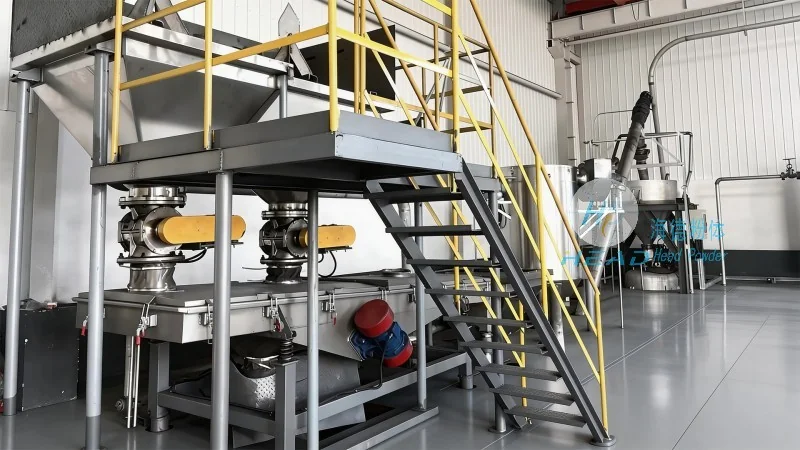
Hybrid pneumatic conveying systems combine the advantages of both dilute and dense phase methods, offering flexibility for different operational conditions. These systems can switch between high-velocity and low-velocity modes based on the material characteristics and conveying requirements. For bean cake, a hybrid system may start with a dilute phase to transport the material over a short distance and then transition to a dense phase for longer distances or when the material needs to be handled more gently. This approach allows for optimized energy consumption and ensures the material is transported efficiently without compromising quality. The hybrid system typically includes a control unit that monitors the pressure, flow rate, and material level, adjusting the air velocity and pressure as needed to maintain stable operation. For industrial applications, this flexibility makes hybrid systems a popular choice for bean cake handling, especially in facilities where the conveying distance or material properties vary.
Key Considerations for Bean Cake Pneumatic Conveying
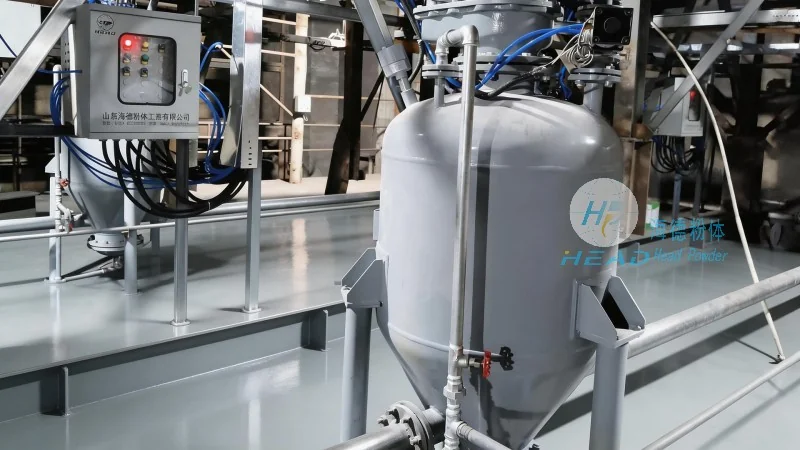
When implementing pneumatic conveying systems for bean cake, several factors must be carefully considered to ensure optimal performance and product quality. First, the material's physical properties, such as particle size, density, and moisture content, play a critical role in determining the most suitable conveying method. Bean cake, being a solid with a relatively high density and some moisture, may require specific adjustments to the system design. For example, if the bean cake has a high moisture content, it may need to be pre-dried to prevent clogging and maintain the air flow. Second, the conveying distance and the layout of the facility influence the system's configuration. Longer distances may necessitate higher pressure or a combination of dilute and dense phase systems. Third, the system's maintenance and operational costs should be evaluated. Pneumatic conveying systems require regular cleaning and maintenance to prevent material buildup and ensure consistent performance. Additionally, the energy consumption of the system should be considered, as it directly impacts the overall operational costs. By addressing these factors, industrial facilities can select the most appropriate pneumatic conveying solution for their bean cake handling needs.
Conclusion
Pneumatic conveying offers several effective solutions for the transport of bean cake, with each method tailored to specific operational requirements and material characteristics. Dilute phase systems are suitable for moderate distances and lower pressure needs, while dense phase systems provide gentler handling for longer distances or sensitive materials. Hybrid systems offer flexibility by combining the benefits of both approaches. When selecting a pneumatic conveying system for bean cake, it is essential to consider the material's properties, conveying distance, and operational constraints. By carefully evaluating these factors and implementing the appropriate system design, industrial facilities can achieve efficient and reliable bean cake transport, ensuring product quality and operational efficiency. Shandong HeadPowder Engineering Co., Ltd. specializes in providing customized pneumatic conveying solutions tailored to the unique needs of industrial applications, helping clients optimize their material handling processes and improve overall productivity.