

Operation Process and Working Principle of Desulfurization Fly Ash Material Pneumatic Conveying Line
Shandong HeadPowder Engineering Co., Ltd., a leading provider in the field, specializes in the design, manufacturing, and implementation of advanced pneumatic conveying systems for handling desulfurization fly ash. This article provides a detailed overview of the operational process and working principles of such systems, highlighting the key components, flow mechanisms, and practical applications in industrial settings.
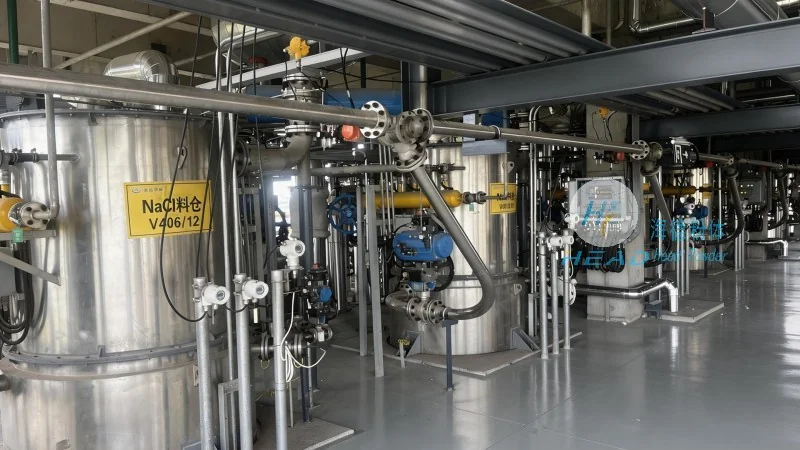
Key Components of the Pneumatic Conveying Line
The desulfurization fly ash pneumatic conveying line typically consists of several critical components that work in tandem to ensure efficient material transport. These include the ash collection hopper, the air compressor or blower system, the conveying pipeline, the control valves, and the discharge equipment. Each component plays a vital role in maintaining the system's performance and reliability. The ash collection hopper is designed to store the desulfurization fly ash, ensuring a consistent feed to the conveying system. The air compressor or blower generates the necessary air pressure to move the ash particles through the pipeline. The conveying pipeline, often made of high-quality materials like stainless steel or special plastic, is designed to withstand the abrasive nature of the fly ash and maintain airtight integrity. Control valves are used to regulate the airflow and pressure, allowing for precise control over the conveying process. Finally, the discharge equipment, such as a silo or a storage tank, receives the ash at the destination point, completing the material transport cycle.
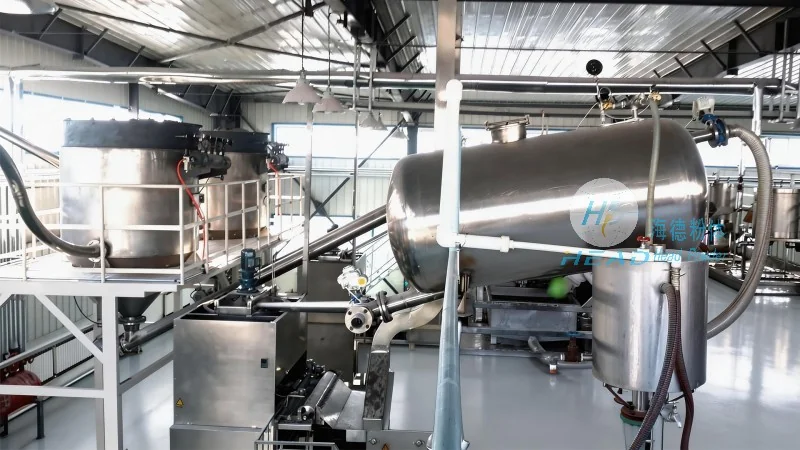
Working Principle of the Pneumatic Conveying Process
The working principle of the desulfurization fly ash pneumatic conveying line is based on the fundamental concept of transporting solid particles through a gas stream. The process begins with the ash being drawn from the collection hopper into the conveying pipeline by the high-pressure air generated by the compressor. The air and ash mixture travels through the pipeline at a controlled velocity, ensuring that the ash particles remain suspended and do not settle or cause blockages. The system employs either positive pressure or negative pressure (or a combination of both) to move the material. In positive pressure systems, the air is forced into the pipeline, pushing the ash forward. In negative pressure systems, the air is drawn from the pipeline, creating a vacuum that pulls the ash into the line. The velocity of the air is carefully controlled to maintain the ash in a suspended state, preventing deposition and ensuring smooth transport. The conveying line may include bends, expansions, and contractions, which are designed to minimize pressure losses and maintain the air flow efficiency. The control system monitors the pressure, flow rate, and other parameters to ensure optimal operation and prevent any issues such as blockages or excessive pressure drops.
Operational Process and Flow Control
The operational process of the desulfurization fly ash pneumatic conveying line involves several sequential steps that are coordinated by the control system. The process starts with the ash being discharged from the collection hopper into the conveying pipeline. The air compressor then starts, generating the required air pressure. The control valves open to allow the air to enter the pipeline, and the ash is drawn into the line. The air and ash mixture travels through the pipeline to the discharge point, where the ash is deposited into the receiving equipment. The control system continuously monitors the pressure and flow rate, adjusting the air flow as needed to maintain the desired conveying rate. If any issues arise, such as a blockage or a pressure drop, the system will automatically shut down or adjust the parameters to prevent damage to the equipment. The operational process is designed to be efficient and reliable, minimizing downtime and ensuring consistent material transport. The system can be operated continuously or intermittently, depending on the production requirements. The flow control is critical to maintaining the system's performance and preventing any issues that could lead to system failure.
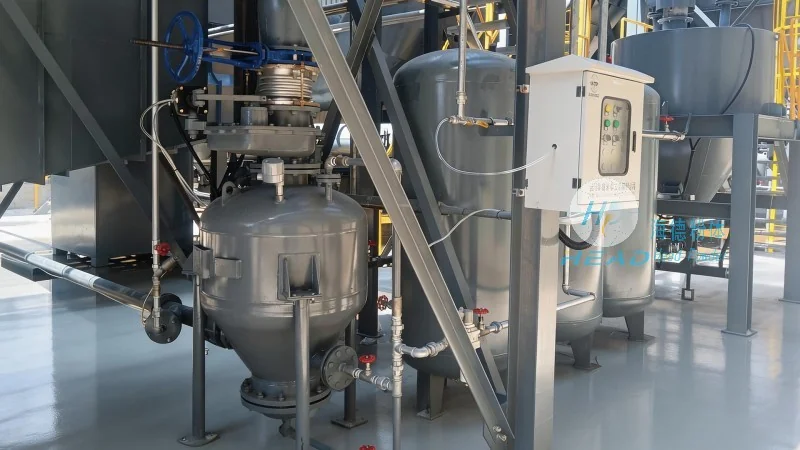
Advantages and Applications
The desulfurization fly ash pneumatic conveying line offers several advantages over traditional material handling methods, such as belt conveyors or bucket elevators. These advantages include high efficiency, low maintenance, and the ability to transport materials over long distances without the need for intermediate storage. The system is also highly flexible, allowing for changes in the conveying route or capacity without major modifications. The applications of this system are widespread, particularly in power plants and industrial facilities that generate desulfurization fly ash. The system is used to transport the ash from the desulfurization unit to the storage or disposal site, ensuring that the material is handled safely and efficiently. The system can also be used in other industries where fine powders need to be transported, such as in the chemical or food processing industries. The advantages of the pneumatic conveying system make it an ideal choice for handling desulfurization fly ash, providing a reliable and efficient solution for material transport.