

Operation Process and Working Principle of Wood Dust Material Pneumatic Conveying Line
Wood dust material pneumatic conveying lines are advanced industrial systems engineered to transport fine wood dust particles efficiently and safely. These systems are widely utilized in woodworking, sawmilling, and related industries to move wood dust from one location to another within a facility. The operation process and working principle of such lines involve multiple key components working in unison to ensure reliable material transport.
Key Components of a Wood Dust Pneumatic Conveying System
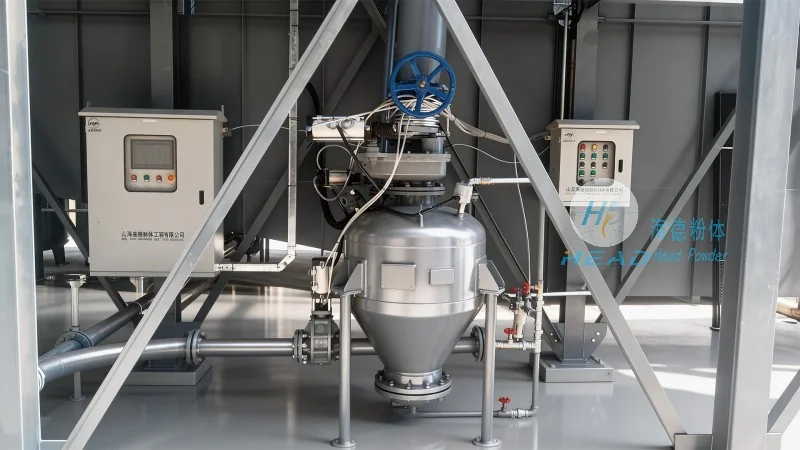
A typical wood dust pneumatic conveying system comprises several essential components, each playing a critical role in the overall operation. The primary components include the material feeding unit, the conveying pipeline, the air supply system, the separation and collection equipment, and the control panel. Each component is engineered to handle the unique characteristics of wood dust, such as its fine particle size, potential for static electricity, and combustibility. Shandong HeadPowder Engineering Co., Ltd. specializes in designing and manufacturing these systems, ensuring that they meet the highest standards of performance, safety, and reliability.
Working Principle of the Air Supply System
The air supply system is the heart of the pneumatic conveying line, responsible for generating the necessary airflow to move the wood dust. This system typically includes a compressor, air filter, and pressure regulator. The compressor draws in ambient air and compresses it to a specific pressure, usually ranging from 0.5 to 1.5 bar, depending on the system's capacity and the distance the material needs to be transported. The air filter removes contaminants from the compressed air to prevent clogging of the conveying lines and to maintain air quality. The pressure regulator ensures that the air pressure remains stable, which is crucial for consistent material flow and system performance.
Material Feeding and Inlet Process
The material feeding unit is responsible for introducing the wood dust into the conveying pipeline. This component may include a hopper, a rotary valve, or a vacuum feeder, depending on the system's design and the volume of material to be handled. The hopper stores the wood dust and provides a consistent feed to the rotary valve, which acts as a gate to control the flow rate of the material. The rotary valve is synchronized with the air supply to ensure that material is only introduced when the air flow is active, preventing blockages and ensuring smooth operation. The inlet of the conveying line is designed to minimize pressure loss and to prevent the entry of foreign objects that could damage the system or cause blockages.
Pneumatic Conveying Pipeline and Flow Dynamics
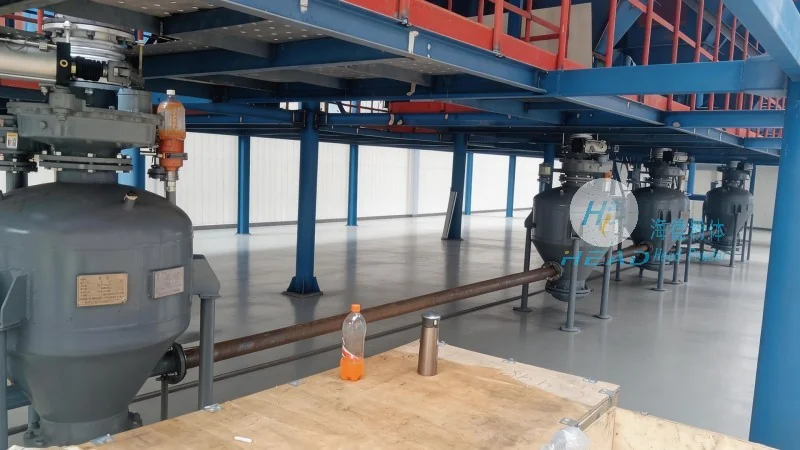
The conveying pipeline is the main channel through which the wood dust is transported. It is typically made of stainless steel or other corrosion-resistant materials to withstand the abrasive nature of wood dust and to prevent contamination. The pipeline is designed with appropriate bends and elbows to guide the material along the desired path, while minimizing pressure drop and ensuring efficient transport. The flow dynamics within the pipeline are governed by the velocity of the air and the density of the wood dust particles. The air velocity must be high enough to lift and carry the particles but not so high as to cause excessive wear on the pipeline or to generate excessive noise. The system is often designed with a combination of positive and negative pressure zones to optimize the transport of wood dust over long distances or through complex layouts.
Separation and Collection System
The separation and collection system is responsible for separating the wood dust from the air at the end of the conveying line. This system typically includes a cyclone separator, a bag filter, or a combination of both. The cyclone separator uses centrifugal force to separate the larger wood dust particles from the air, while the bag filter captures the finer particles. The separated wood dust is collected in a hopper or storage bin, while the clean air is either vented to the atmosphere or recirculated back into the system, depending on the system's design and environmental regulations. The separation efficiency of the system is critical to maintaining air quality and preventing dust emissions, which is essential for compliance with environmental standards and for worker safety.
Control and Safety Features
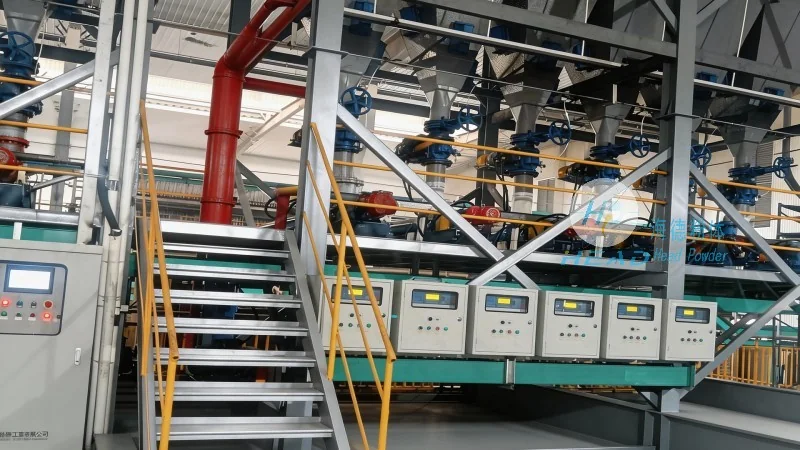
Modern wood dust pneumatic conveying lines are equipped with advanced control systems that monitor and regulate the operation of the system. These systems may include sensors to detect pressure, flow rate, and material level, as well as alarms and safety interlocks to prevent accidents. The control panel allows operators to start and stop the system, adjust the flow rate, and monitor the system's performance in real-time. Safety features are also integrated into the design to address the combustible nature of wood dust. These may include explosion-proof components, flame arrestors, and static grounding systems to prevent the buildup of static electricity and to minimize the risk of fire or explosion. The system is also designed to be easy to maintain, with accessible components and clear maintenance schedules to ensure long-term reliability.
Application and Customization
Wood dust pneumatic conveying lines are versatile and can be customized to meet the specific needs of different applications. The system can be designed to handle various wood dust types, such as sawdust, planer shavings, or wood chips, and can be configured for different transport distances and layouts. The system can also be integrated with other equipment, such as wood processing machines or storage silos, to create a seamless material handling workflow. The design of the system takes into account factors such as the volume of material to be handled, the distance to be transported, the layout of the facility, and the environmental regulations in the area. The goal is to provide an efficient, reliable, and safe solution for wood dust transport that meets the customer's requirements.
Conclusion
In summary, wood dust material pneumatic conveying lines are sophisticated systems that combine advanced engineering and technology to transport wood dust efficiently and safely. The operation process involves the coordinated action of several components, including the air supply system, material feeding unit, conveying pipeline, separation system, and control panel. Each component is designed to handle the unique characteristics of wood dust, ensuring consistent material flow and minimizing the risk of blockages or system failures. The system is equipped with safety features to address the combustible nature of wood dust and to comply with environmental regulations. With proper design and maintenance, a pneumatic conveying line can provide a long-lasting and reliable solution for wood dust transport in various industrial applications. Shandong HeadPowder Engineering Co., Ltd. continues to innovate in this field, delivering high-quality pneumatic conveying solutions tailored to the needs of the woodworking industry.