

Operation Process and Working Principle of Iron Concentrate Powder Pneumatic Conveying Line
Iron concentrate powder pneumatic conveying lines are specialized systems engineered to transport iron concentrate powder efficiently and reliably. These systems are widely utilized in mining, metallurgy, and chemical industries due to their capability to handle fine powders over extended distances with minimal product degradation. The operation process and working principle of such lines involve several key components and steps that ensure smooth and continuous material transfer.
Company Information
HeadPowder, a leading engineering company based in Shandong, China, specializes in the design, manufacturing, and installation of advanced pneumatic conveying systems. With a strong focus on innovation and customer satisfaction, HeadPowder has established itself as a trusted partner for industries requiring high-performance material handling solutions. The company’s headquarters is located in Shandong, China, where it leverages local expertise and resources to deliver tailored solutions for diverse industrial applications.
System Components and Their Roles
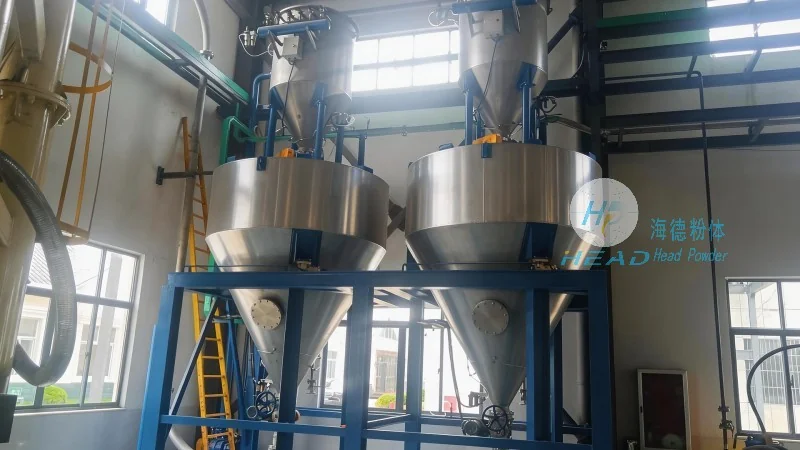
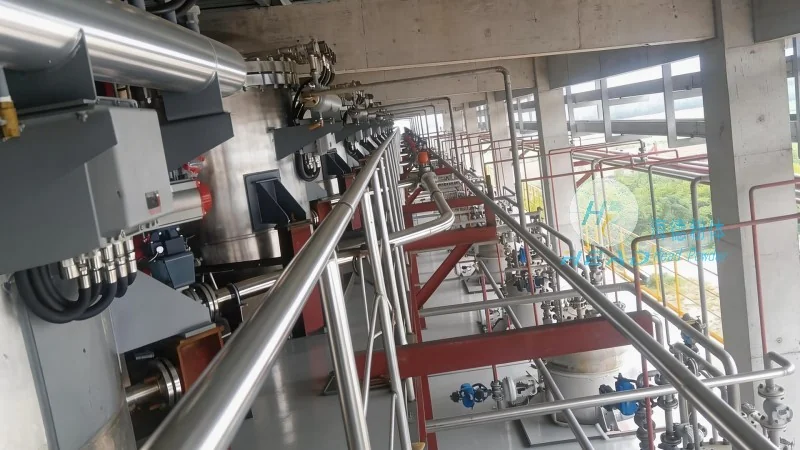
The iron concentrate powder pneumatic conveying line typically consists of several critical components, each playing a vital role in the overall operation. The primary components include the material feeding system, the conveying pipeline, the air supply system, the control unit, and the dust collection or filtration system. The material feeding system ensures a consistent and controlled flow of iron concentrate powder into the pipeline. The conveying pipeline, often made of stainless steel or other corrosion-resistant materials, transports the powder through the system. The air supply system provides the necessary pressure or vacuum to move the material. The control unit monitors and regulates the system parameters, such as pressure, flow rate, and temperature. The dust collection system ensures that the operation is clean and safe by capturing any airborne particles.
Working Principle of Pneumatic Conveying
The working principle of the iron concentrate powder pneumatic conveying line is based on the movement of powder particles within a gas stream. There are two main types of pneumatic conveying systems: positive pressure and negative pressure. In positive pressure systems, air is blown into the pipeline, creating a pressure higher than the ambient air, which pushes the powder forward. In negative pressure systems, air is drawn out of the pipeline, creating a vacuum that pulls the powder. For iron concentrate powder, positive pressure systems are commonly used due to their efficiency in handling fine powders and preventing product degradation. The powder particles are suspended in the air stream and transported through the pipeline. The velocity of the air and the size of the powder particles determine the optimal conveying velocity to ensure efficient and stable transport.
Operation Process: Step-by-Step Guide
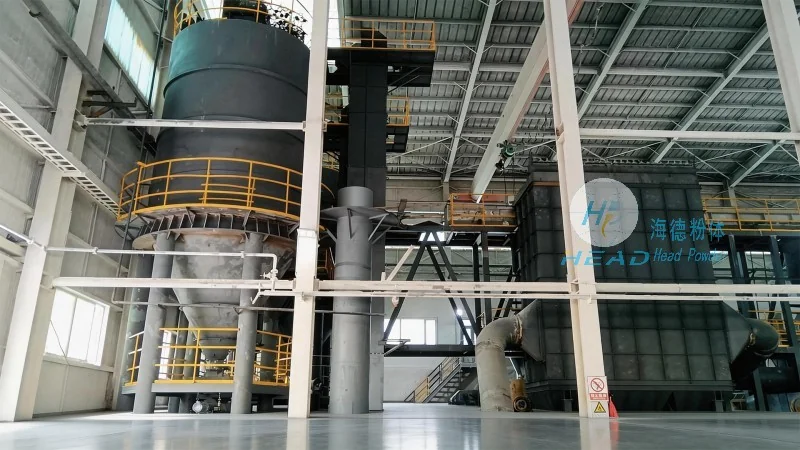
The operation of the iron concentrate powder pneumatic conveying line follows a systematic process to ensure safe and efficient material transfer. The process begins with the preparation of the system, which includes checking all components for proper functioning and ensuring that the air supply is ready. Next, the material feeding system is activated, and the iron concentrate powder is fed into the pipeline at a controlled rate. The air supply system is then started, providing the necessary pressure to move the powder. The control unit monitors the system parameters, adjusting the air flow and powder feed rate as needed to maintain a stable conveying process. During operation, the system continuously transports the powder from the source to the destination, such as a storage silo or processing unit. The process continues until the required amount of material has been transferred. Finally, the system is shut down in an orderly manner, with the air supply and feeding system turned off, and the pipeline cleared of any remaining powder.
Key Advantages and Applications
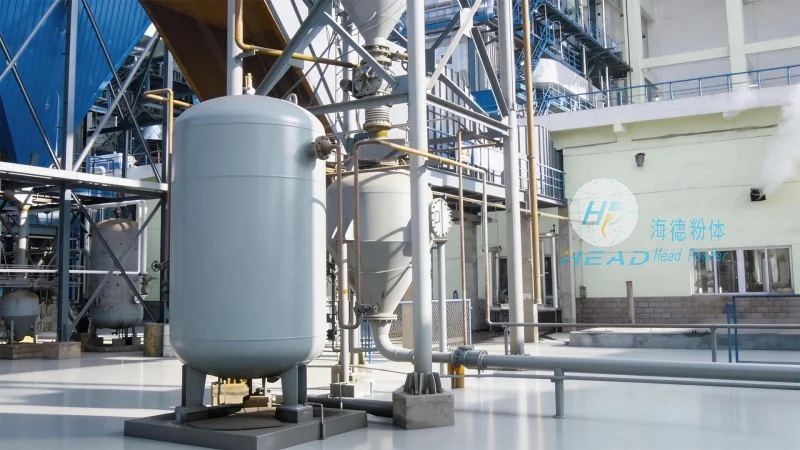
Iron concentrate powder pneumatic conveying lines offer several advantages over traditional material handling methods, such as belt conveyors or bucket elevators. These advantages include the ability to handle fine powders without product degradation, the reduction of dust emissions through enclosed systems, and the flexibility to transport materials over long distances. The systems are also suitable for applications requiring high purity and minimal contamination, as the enclosed design prevents cross-contamination. HeadPowder’s pneumatic conveying lines are widely used in the mining industry for transporting iron concentrate from mines to processing plants, in metallurgy for moving raw materials to furnaces, and in chemical industries for handling various powders. The systems are designed to meet the specific requirements of each application, ensuring optimal performance and reliability.
Maintenance and Safety Considerations
Proper maintenance is crucial to ensure the long-term performance and safety of the iron concentrate powder pneumatic conveying line. Regular inspections of the components, such as the conveying pipeline, air filters, and control unit, are necessary to identify and address any issues before they become major problems. The air filters should be cleaned or replaced regularly to prevent clogging and maintain the system’s efficiency. The material feeding system should be checked for proper alignment and operation to avoid blockages or uneven flow. Safety considerations are also essential, as the system operates under pressure and may involve moving parts. Proper training for operators and adherence to safety protocols, such as wearing protective equipment and following emergency procedures, are necessary to prevent accidents and ensure the safety of personnel. HeadPowder provides comprehensive maintenance and safety services to its clients, ensuring that the systems operate at peak performance and meet all regulatory requirements.