

Operation Process and Working Principle of Yeast Material Pneumatic Conveying Line
HeadPowder, a leading engineering company based in Shandong, China, specializes in the design, manufacturing, and installation of advanced pneumatic conveying systems tailored for various industrial applications, including the efficient handling of yeast materials. This article provides a detailed overview of the operation process and working principles of a yeast material pneumatic conveying line, highlighting the key components, operational workflow, and the technical advantages that such systems offer in industrial settings.
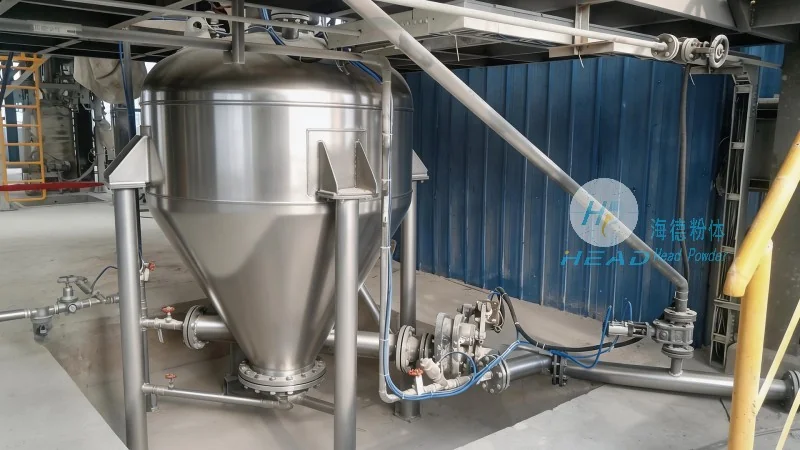
Key Components of a Yeast Material Pneumatic Conveying System
A typical yeast material pneumatic conveying line consists of several critical components that work in tandem to ensure reliable and efficient material transport. The main components include the hopper or storage silo, the feeder (often a rotary valve or screw feeder), the conveying line (either a pipeline or a flexible hose), the air compressor or blower, the filter and dust collection system, and the discharge outlet or destination vessel. Each component plays a vital role in the overall system performance, and their proper integration is essential for optimal operation.
The Working Principle of Pneumatic Conveying
The fundamental principle behind pneumatic conveying is the use of compressed air to transport bulk materials through a pipeline. In the case of yeast material handling, the system operates by first feeding the yeast from the storage hopper into the conveying line using a controlled feeder. The air compressor then generates a high-pressure airflow that propels the yeast particles through the pipeline. As the yeast moves along the line, it is suspended and transported to the destination point, such as a processing unit or a storage tank. The filter and dust collection system is crucial for maintaining air quality and preventing dust contamination, which is particularly important when handling fine materials like yeast.
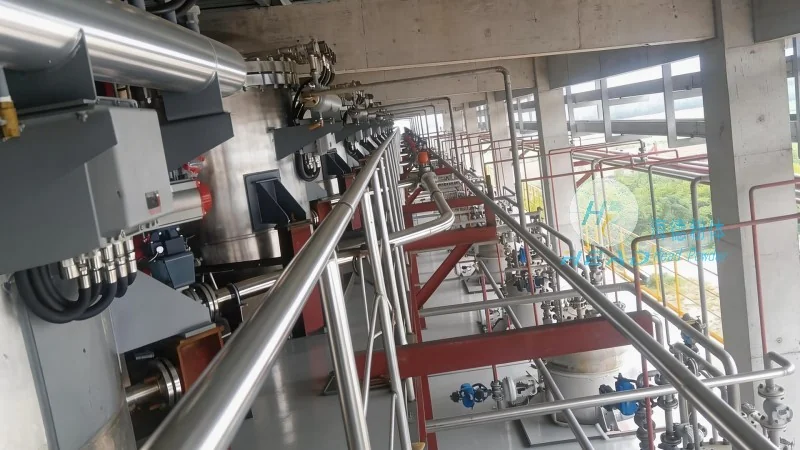
Operation Process of a Yeast Material Pneumatic Conveying Line
The operation process of a yeast material pneumatic conveying line involves several sequential steps that ensure smooth and continuous material flow. Initially, the yeast is stored in the hopper or silo, where it is kept under controlled conditions to prevent caking or degradation. The feeder then regulates the flow of yeast into the conveying line, ensuring a consistent feed rate. The air compressor provides the necessary pressure to generate the airflow, which is adjusted based on the material characteristics and the required conveying distance. As the yeast travels through the pipeline, it is transported to the discharge point, where it is collected in the destination vessel. The system may also include a control panel that monitors key parameters such as pressure, flow rate, and air quality, allowing for real-time adjustments to maintain optimal performance.
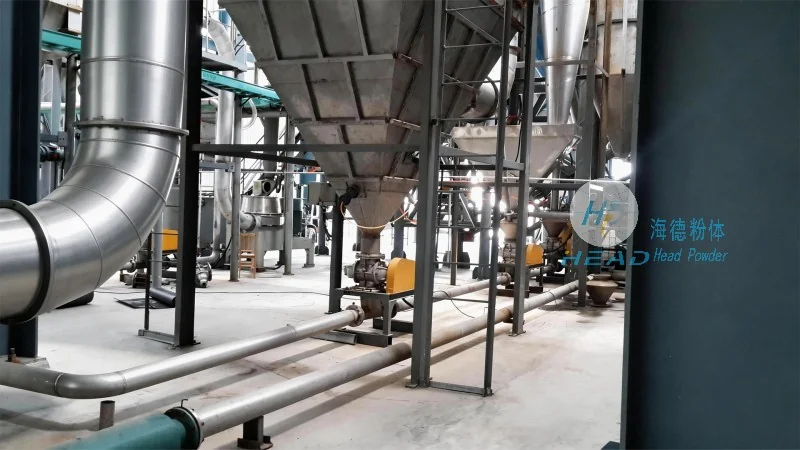
Advantages of Using Pneumatic Conveying for Yeast Materials
Implementing a pneumatic conveying system for yeast materials offers several significant advantages over traditional methods like belt conveyors or manual handling. Firstly, it provides a completely enclosed system, which helps to maintain hygiene standards and prevent contamination from external sources. This is particularly important in the food and beverage industry, where product quality and safety are paramount. Secondly, pneumatic conveying systems are highly efficient in terms of energy consumption and space utilization, as they require less floor space and can transport materials over longer distances with minimal energy loss. Additionally, the system is capable of handling fine and abrasive materials like yeast without causing wear and tear on the equipment, extending its operational lifespan. Finally, the enclosed nature of the system reduces dust emissions, contributing to a cleaner and safer working environment for personnel.
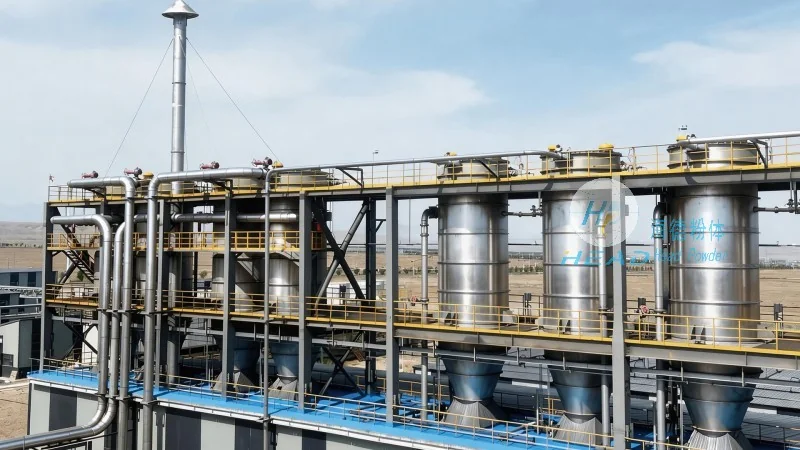
Applications and Industries
Yeast material pneumatic conveying lines are widely used in various industries, including the food and beverage sector, pharmaceuticals, and biotechnology. In the food industry, these systems are commonly employed in bakeries, breweries, and distilleries to transport yeast from storage to production lines, ensuring a consistent supply of high-quality yeast for fermentation processes. In the pharmaceutical industry, the enclosed and hygienic design of the system is crucial for maintaining the purity of yeast used in the production of probiotics and other health supplements. The biotechnology sector also benefits from such systems when handling yeast cultures for research and development purposes, as the controlled environment helps to preserve the integrity of the cultures.
Conclusion
In conclusion, the operation process and working principles of a yeast material pneumatic conveying line are centered around the efficient use of compressed air to transport bulk materials in an enclosed system. HeadPowder, with its expertise in engineering and manufacturing, provides reliable solutions that meet the specific needs of various industries. By understanding the key components, operational workflow, and advantages of such systems, businesses can enhance their material handling processes, improve efficiency, and maintain high standards of product quality and safety.