

Introduction to Equipment and Structural Principles of Nitrogen Protective Pneumatic Conveying Syste
The nitrogen protective pneumatic conveying system is a specialized industrial solution designed to transport bulk materials while maintaining an inert atmosphere. This technology is crucial in industries where material oxidation, contamination, or degradation is a concern, such as pharmaceuticals, food processing, and high-purity chemical manufacturing. The system utilizes nitrogen gas as the conveying medium, replacing air to create a protective environment that safeguards the material's integrity throughout the transfer process.
Key Components and Equipment Overview
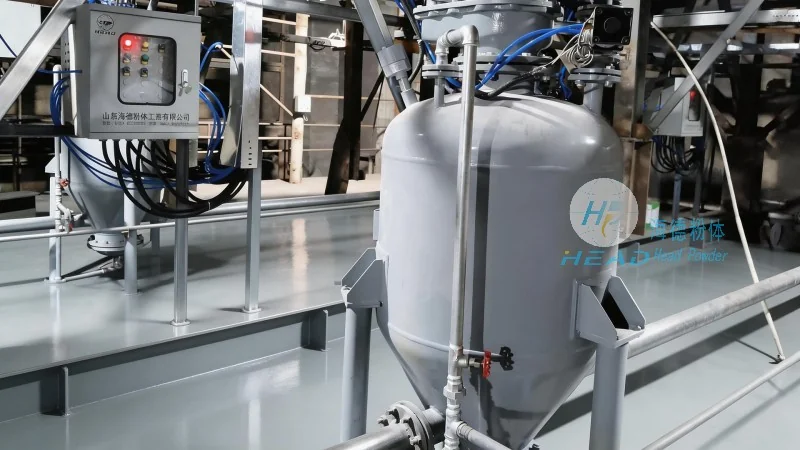
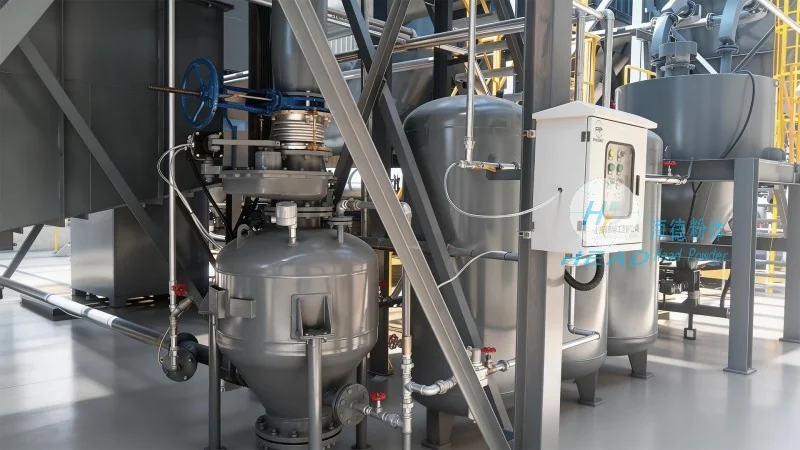
The system consists of several core components that work in tandem to ensure efficient and safe material handling. The primary equipment includes a nitrogen gas source, a material feeder, a conveying pipeline, and a receiving hopper or storage unit. The nitrogen gas source, typically a high-purity nitrogen generator or cylinder, provides the inert gas required to displace air from the pipeline. The material feeder, which can be a rotary valve, screw feeder, or vibrating feeder, controls the flow rate of the bulk material into the system. The conveying pipeline, often made of stainless steel or other corrosion-resistant materials, transports the material and nitrogen mixture. The receiving hopper or storage vessel collects the material at the destination, ensuring a smooth and controlled discharge.
Structural Principles and Operational Mechanisms
The structural principles of the nitrogen protective pneumatic conveying system are based on the fundamental physics of fluid dynamics and gas-solid flow. The system operates by creating a pressure differential between the material feeder and the receiving hopper. The nitrogen gas is introduced into the pipeline at a controlled pressure, which generates a flow that entrains the bulk material particles. The gas velocity is maintained above the minimum fluidization velocity to prevent material settling and ensure continuous transport. The system can operate in either positive or negative pressure modes, depending on the application requirements. In positive pressure systems, the pipeline is pressurized with nitrogen, while in negative pressure systems, the receiving end is under vacuum to draw the material and gas mixture.
Company Profile and Technical Expertise
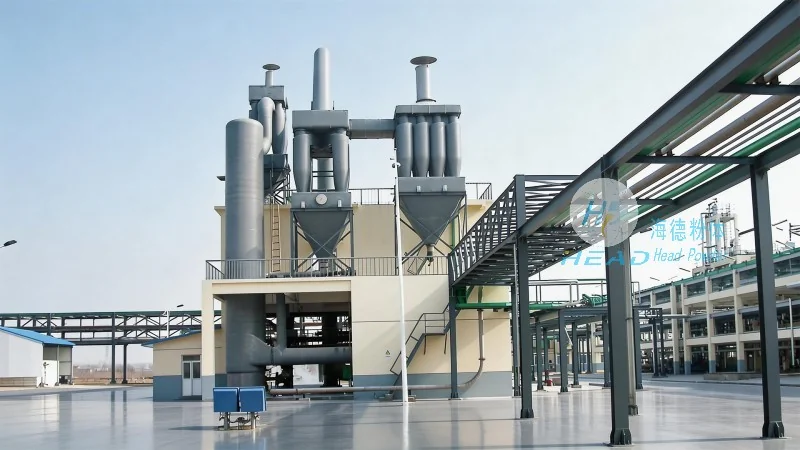
Shandong HeadPowder Engineering Co., Ltd., commonly known as headpowder, is a leading manufacturer and supplier of pneumatic conveying systems and related industrial equipment. With a strong focus on innovation and quality, the company has established itself as a trusted partner in the industry, providing customized solutions tailored to the specific needs of clients. Headpowder's team of experienced engineers and technicians utilizes advanced design software and rigorous testing protocols to ensure that each system meets the highest standards of performance and reliability. The company's commitment to research and development has led to the development of cutting-edge technologies that enhance the efficiency and safety of pneumatic conveying operations.
Application and Industry Relevance
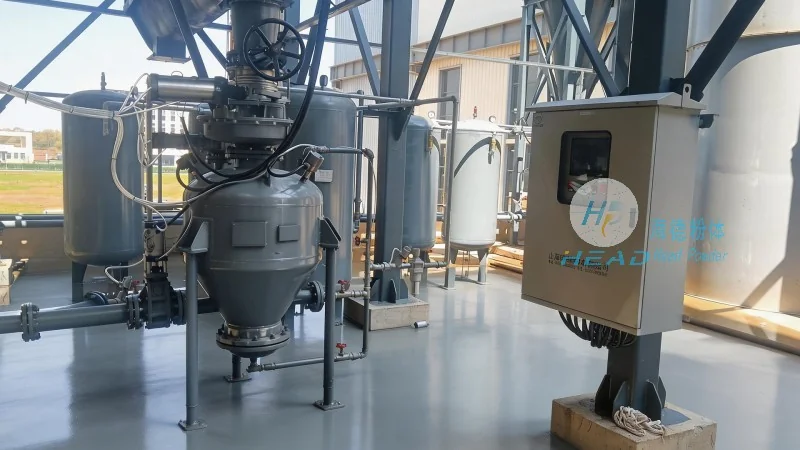
The nitrogen protective pneumatic conveying system is widely used in various industries due to its ability to maintain material purity and prevent contamination. In the pharmaceutical industry, it is essential for transporting active pharmaceutical ingredients (APIs) and other sensitive materials that require an inert environment. In food processing, the system is used to handle powders and granules, ensuring that the final product remains free from oxidation and microbial contamination. In the chemical industry, it is employed for transporting high-purity chemicals and catalysts, where even trace amounts of oxygen can affect product quality. The system's versatility and adaptability make it a preferred choice for many applications where traditional conveying methods are not suitable.