

Introduction to Fly Ash Silo Pneumatic Conveying System Equipment and Structural Principles
The fly ash silo pneumatic conveying system is a specialized industrial equipment designed for the efficient and safe transportation of fly ash from storage silos to processing or disposal locations. As a key component in power plant and industrial waste management, this system plays a crucial role in optimizing material handling processes and ensuring compliance with environmental regulations. The system is engineered to handle the unique characteristics of fly ash, such as its fine particle size and potential for dust generation, while maintaining high operational efficiency and reliability.
Structural Overview and Core Components
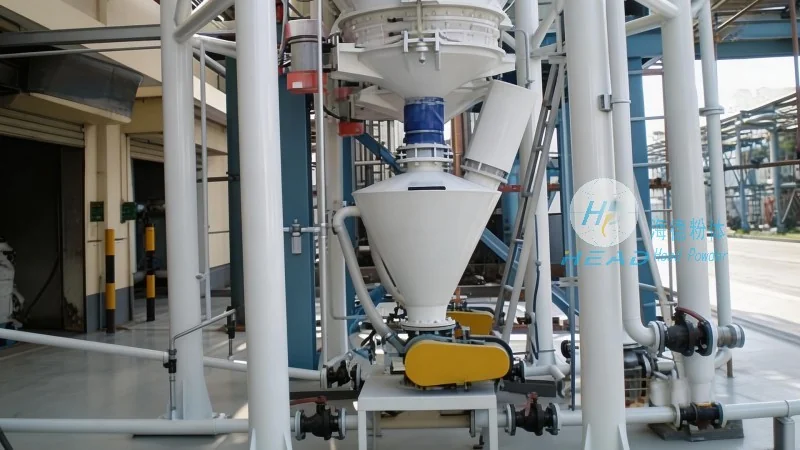
At the heart of the fly ash silo pneumatic conveying system lies a well-organized structure comprising several critical components. The primary elements include the fly ash silo, which serves as the storage vessel for the material; a feeder device, typically a rotary valve or screw feeder, responsible for controlling the flow of fly ash from the silo; a pneumatic conveying pipeline network that transports the material under pressure; a compressed air source, usually an air compressor, providing the necessary force for material movement; and a control system that monitors and regulates the entire operation. Each component is meticulously designed to work in harmony, ensuring seamless material transfer with minimal downtime and maximum safety.
Working Principle of the Pneumatic Conveying Process
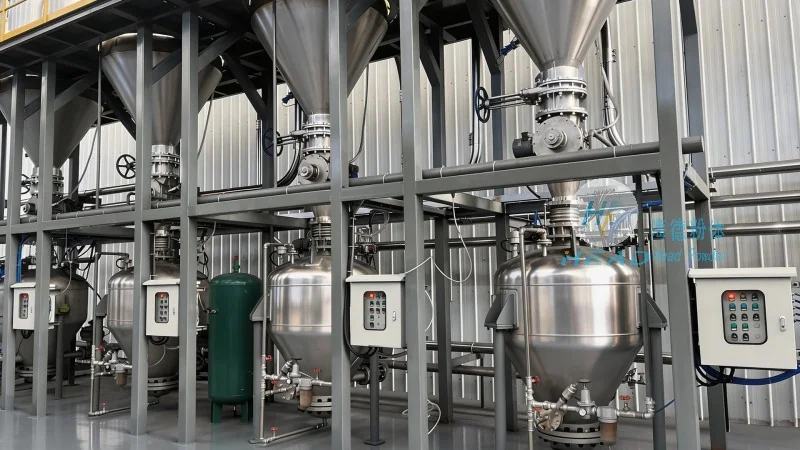
The operation of the fly ash silo pneumatic conveying system is based on the fundamental principle of pneumatic transport, where material is conveyed through a pipeline using a gas stream. The process begins with the feeder device drawing fly ash from the silo and introducing it into the conveying pipeline. Simultaneously, the air compressor generates high-pressure air, which is then mixed with the material in the pipeline. The air stream, carrying the fly ash particles, moves through the pipeline to the destination point, such as a processing unit or a disposal site. The system employs either positive pressure or negative pressure (or a combination of both) depending on the specific application and distance requirements. Positive pressure systems are commonly used for short to medium-distance conveying, while negative pressure systems are suitable for longer distances or when dust control is a priority. The control system continuously adjusts the air pressure and flow rate to maintain optimal conveying conditions, preventing blockages and ensuring consistent material delivery.
Technical Advantages and Performance Characteristics
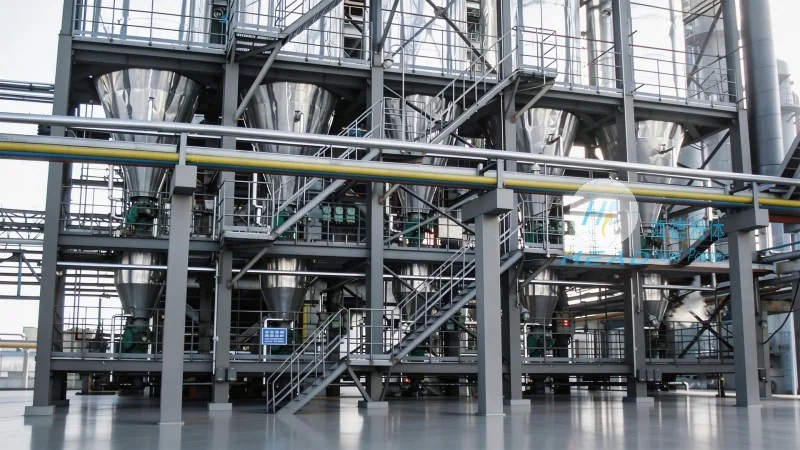
HeadPowder’s fly ash silo pneumatic conveying system offers several technical advantages that make it an ideal solution for industrial applications. One of the key benefits is its high conveying efficiency, which allows for the rapid and continuous movement of large volumes of fly ash with minimal energy consumption. The system is also designed with environmental considerations in mind, featuring dust suppression mechanisms and sealed pipelines to prevent air pollution and ensure workplace safety. Additionally, the equipment is built for durability and low maintenance, with robust materials and components that can withstand the abrasive nature of fly ash particles. The modular design of the system enables easy installation and integration into existing industrial setups, reducing the overall project time and cost. Furthermore, the system’s advanced control features provide operators with real-time monitoring and data logging capabilities, facilitating process optimization and troubleshooting.
Application Scenarios and Industry Relevance
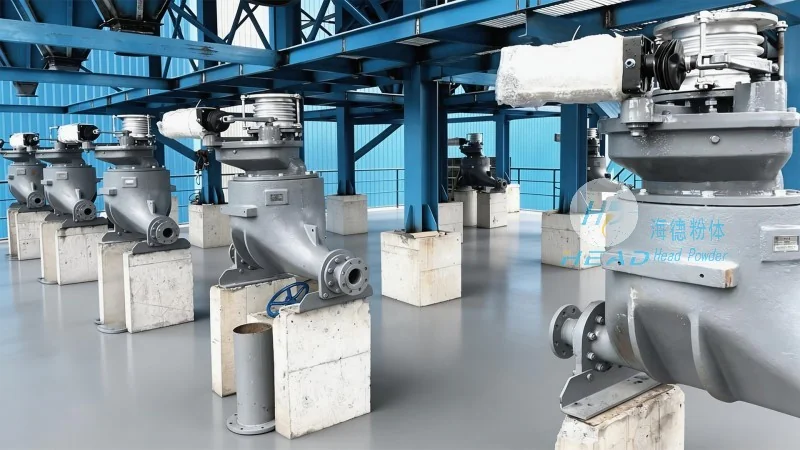
The fly ash silo pneumatic conveying system is widely used in various industrial sectors, particularly in the power generation industry where fly ash is a byproduct of coal combustion. In power plants, the system efficiently transports fly ash from the ash handling system to storage silos or to other processing facilities for reuse or disposal. Beyond power plants, the system is also applicable in cement production, where fly ash is used as a supplementary cementitious material, and in industrial waste management facilities that handle other fine particulate materials. The versatility of the system makes it suitable for a range of applications, from small-scale operations to large-scale industrial plants, ensuring that it can meet the diverse needs of different industries.