

Introduction to Pneumatic Conveying Equipment for Food Additives: Structure and Working Principle
Shandong HeadPowder Engineering Co., Ltd. specializes in the design, manufacturing, and supply of advanced pneumatic conveying systems tailored for the food additives industry. Based in Shandong, China, the company leverages decades of experience to deliver reliable and efficient solutions that meet stringent industry standards. This article provides an overview of the structure and working principle of pneumatic conveying equipment used for transporting food additives, highlighting key components and operational mechanisms.
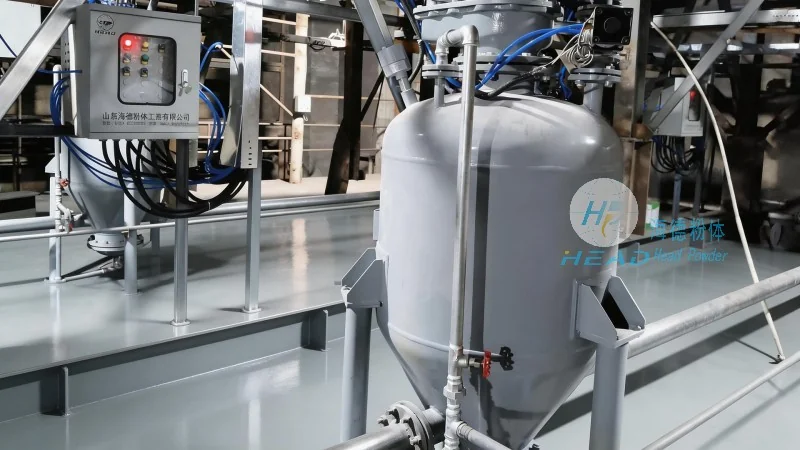
Overview of Pneumatic Conveying Systems for Food Additives
Pneumatic conveying equipment is a critical component in the food processing industry, enabling the safe and efficient transfer of powdered or granular food additives from storage to processing lines. Unlike traditional mechanical conveyors, pneumatic systems use air or gas to move materials, reducing contamination risks and improving process flexibility. The primary advantage of this technology lies in its ability to handle sensitive ingredients without causing degradation or cross-contamination, which is paramount in food production.
Key Structural Components of Food Additive Pneumatic Conveyors
The pneumatic conveying system for food additives typically consists of several interconnected components, each playing a vital role in the overall operation. The main parts include the material hopper, which stores the food additive; the air compressor or blower, responsible for generating the airflow; the conveying line, which transports the material; and the receiver or discharge hopper, where the material is deposited. Additionally, the system may incorporate filters, cyclones, and control valves to regulate airflow and prevent material buildup or contamination.
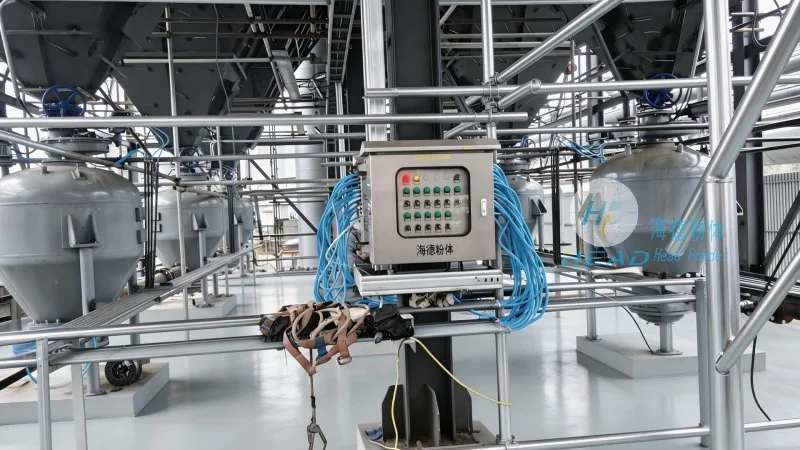
Working Principle of Pneumatic Conveying for Food Additives
The operation of a pneumatic conveying system for food additives involves the following steps: First, the food additive is fed into the material hopper from a storage silo or bag. The air compressor then generates a high-pressure air stream, which is introduced into the conveying line. As the air flows through the line, it entrains the food additive particles, creating a slurry-like mixture. The mixture travels through the conveying line to the receiver, where the air is separated from the material using a cyclone or filter. The separated air is then discharged back into the system or to the atmosphere, while the food additive is collected in the receiver for further processing.
Advantages of Using Pneumatic Conveying for Food Additives
Employing pneumatic conveying equipment for food additives offers several benefits that enhance operational efficiency and product quality. One of the most significant advantages is the reduction of product contamination, as the system operates in a closed environment, minimizing exposure to external contaminants. Additionally, pneumatic systems provide greater flexibility in terms of layout and process integration, allowing for easy adaptation to existing production lines. The technology also reduces labor costs by automating the material transfer process and minimizing the need for manual handling, which is essential for maintaining hygiene standards in food processing facilities.
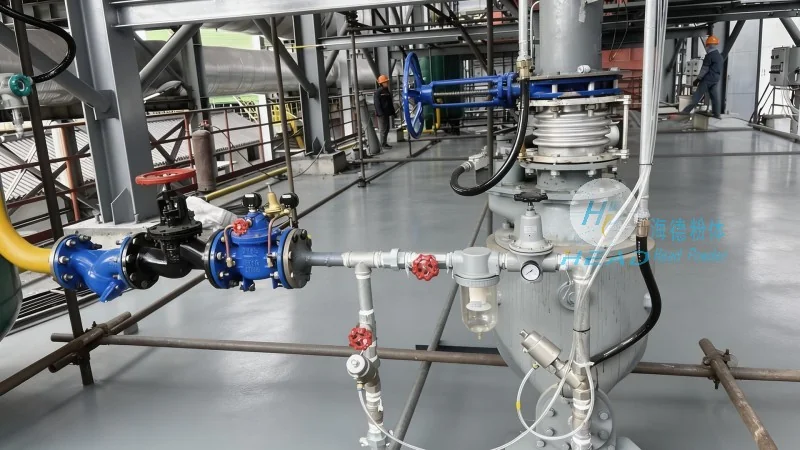
Customization and Application Considerations
Shandong HeadPowder Engineering Co., Ltd. offers customized pneumatic conveying solutions tailored to the specific needs of food additive manufacturers. The company considers factors such as material properties (e.g., particle size, moisture content, and flowability), production capacity, and facility layout when designing a system. For example, for fine powders like colorants or flavor enhancers, a positive pressure system may be preferred to prevent dust accumulation and ensure consistent flow. In contrast, bulkier granules might require a negative pressure system to handle larger volumes efficiently. The company also ensures that all components are constructed from food-grade materials, such as stainless steel, to comply with regulatory requirements and maintain product safety.
Conclusion
Pneumatic conveying equipment is an indispensable tool for the food additives industry, providing a reliable and hygienic method for material transfer. Shandong HeadPowder Engineering Co., Ltd. continues to innovate in this field, offering advanced solutions that meet the evolving demands of food processing. By understanding the structure and working principle of these systems, manufacturers can optimize their operations, improve product quality, and enhance overall efficiency. The company’s commitment to quality and customer satisfaction ensures that its pneumatic conveying systems remain a trusted choice for food additive producers worldwide.