

Introduction to Flour Pneumatic Conveying System Equipment and Structural Principles
Flour pneumatic conveying systems are essential in the flour milling and processing industry, designed to efficiently transport flour and other fine powders from one location to another. These systems utilize air as the conveying medium, enabling the movement of materials without direct contact with mechanical components. The equipment typically includes a hopper for material storage, a conveyor line, and a control system to regulate the flow and pressure of air. The design of these systems is crucial for maintaining the quality and integrity of the flour, as well as ensuring operational efficiency and safety. By understanding the components and functions of each part, users can better appreciate the complexity and effectiveness of modern flour pneumatic conveying solutions, which are often engineered by companies like Shandong HeadPowder Engineering Co., Ltd.
Structural Principles of Flour Pneumatic Conveying Systems
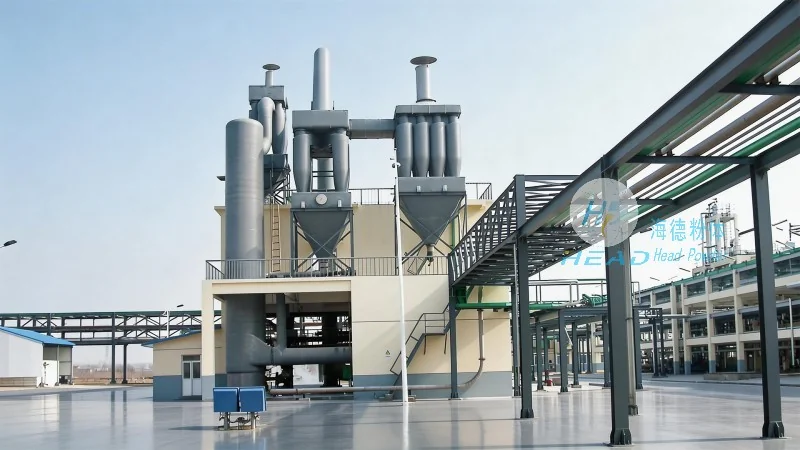
The structural principles of flour pneumatic conveying systems revolve around the use of pressure or vacuum to move materials through a pipeline. There are two primary types of systems: pressure systems and vacuum systems. Pressure systems operate by blowing air or a gas mixture into the conveying line, creating positive pressure that pushes the material forward. Vacuum systems, on the other hand, create a negative pressure environment, drawing the material into the line using suction. The choice between these systems depends on factors such as the distance to be covered, the material's properties, and the required flow rate. In both cases, the system's design must account for the material's density, moisture content, and potential for caking or agglomeration. Proper sealing and maintenance of the system components are also critical to prevent material leakage and ensure consistent performance.
Key Components and Their Functions in Flour Pneumatic Conveying Equipment
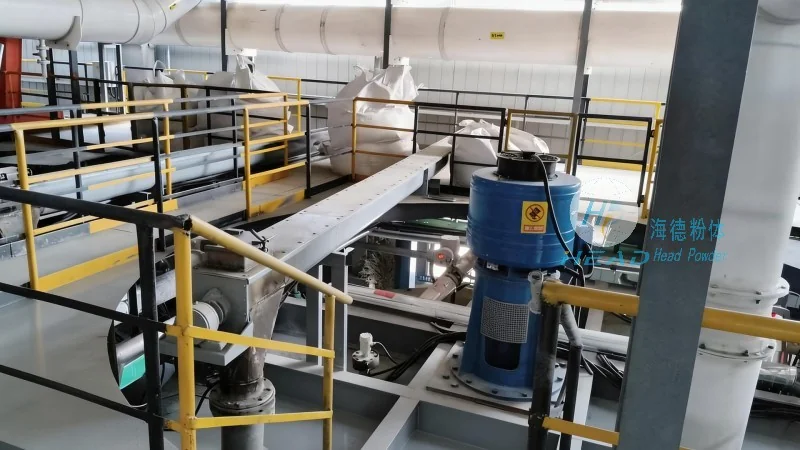
Flour pneumatic conveying systems consist of several key components, each playing a vital role in the overall operation. The hopper or silo is the initial storage unit, where raw flour is collected before being transferred. The feeder, often a rotary valve or a screw feeder, controls the flow rate of the material into the conveying line. The conveyor line itself, made of durable materials like stainless steel or plastic, transports the flour under pressure or vacuum. The air compressor or vacuum pump provides the necessary air or suction force, while the control panel manages the system's operations, including pressure regulation and safety features. The filter and separator are essential for maintaining air quality and preventing flour particles from escaping into the environment. Each component must be carefully selected and installed to ensure optimal performance and longevity of the system.
Advantages of Using Flour Pneumatic Conveying Systems
Implementing flour pneumatic conveying systems offers numerous advantages over traditional mechanical conveying methods. These systems are highly efficient in terms of energy consumption, as they use air to move materials with minimal friction. They also provide a hygienic and clean environment, reducing the risk of contamination and ensuring compliance with food safety regulations. The flexibility of pneumatic systems allows for easy integration into existing production lines and the ability to transport materials over long distances without the need for multiple transfer points. Additionally, these systems can handle a wide range of material types, from fine powders to bulk materials, making them versatile for various applications in the flour industry. The ability to control the flow rate and pressure precisely also contributes to improved product quality and reduced waste.
Application Scenarios in the Flour Industry
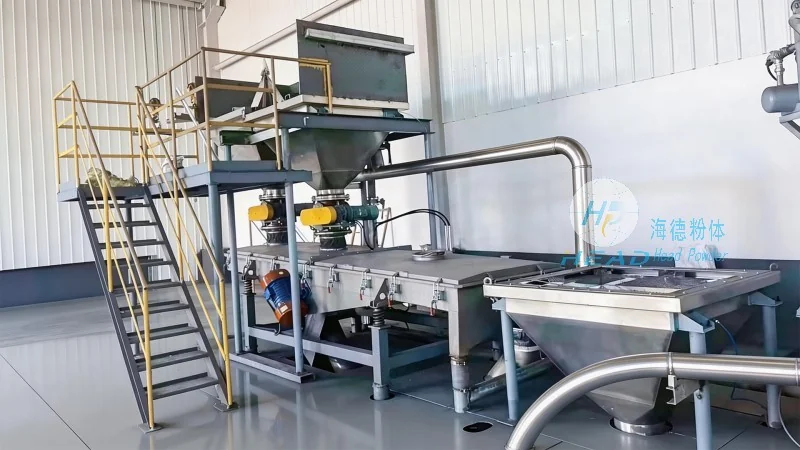
Flour pneumatic conveying systems are widely used in various stages of flour production and processing. In the milling process, these systems transport raw wheat or other grains from storage to the grinding equipment. During the sieving and classification stages, they move flour and bran to different storage bins. In the packaging phase, they convey finished flour to the packaging machines. The systems are also used in quality control and testing, where small samples of flour are transported to analysis equipment. The adaptability of these systems makes them suitable for both large-scale industrial operations and smaller-scale production facilities, ensuring that flour can be efficiently handled at every stage of its journey from raw material to final product.