

Key Design Considerations for Fertilizer Pneumatic Conveying System Solutions
When designing a fertilizer pneumatic conveying system, several critical factors must be considered to ensure efficiency, reliability, and cost-effectiveness. The system's performance is directly linked to the proper selection of components, material handling characteristics, and operational parameters. This article outlines key design considerations that professionals in the agricultural and chemical industries should evaluate when developing a fertilizer pneumatic conveying solution.
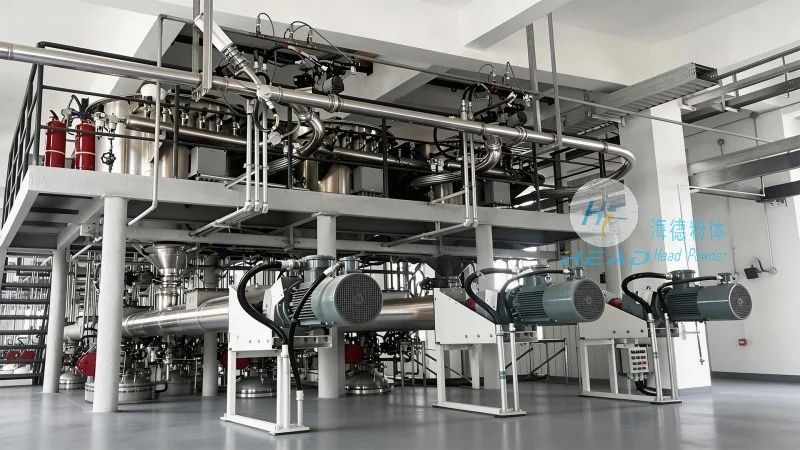
Understanding the Core Components of a Fertilizer Pneumatic Conveying System
A typical fertilizer pneumatic conveying system consists of several essential components, each playing a vital role in the overall operation. These include the hopper or storage silo, the feeder mechanism, the conveying line (including ducts and fittings), the air mover (such as a blower or fan), and the control system. The design of each component must align with the specific type of fertilizer being handled—whether it's granular, powdered, or liquid-based—and the required conveying distance and capacity.
Material Handling Characteristics and Their Impact on Design
The physical properties of the fertilizer, such as particle size, density, moisture content, and flowability, significantly influence the system's design. For example, cohesive or sticky fertilizers may require additional equipment like vibrators or agitators to prevent blockages in the conveying line. The system must also account for the potential for dust generation, as proper dust control measures are essential for safety and environmental compliance. Engineers must conduct thorough material testing to determine the appropriate air velocity, pressure, and conveying line diameter to prevent material degradation or system failure.
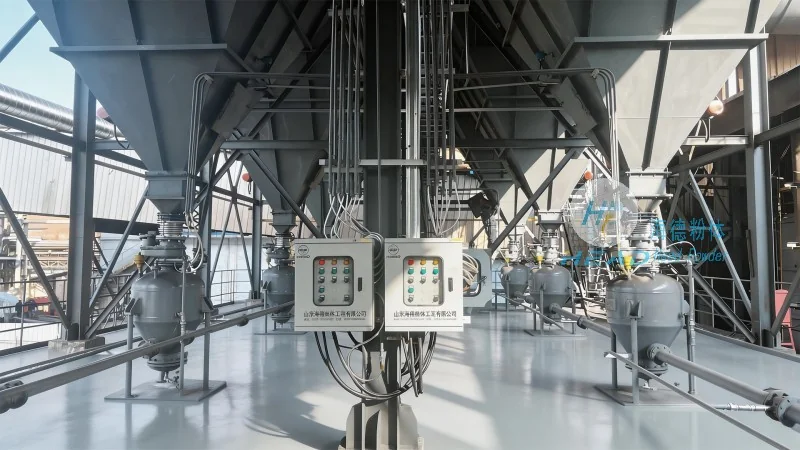
Selection of Air Movers and Conveying Methods
The choice of air mover (positive displacement blower or centrifugal fan) and the type of conveying method (pressure or vacuum) are critical decisions in system design. Positive displacement blowers are often preferred for high-pressure, low-volume applications, as they provide consistent airflow and pressure. Conversely, centrifugal fans are suitable for larger, lower-pressure systems. The conveying method (e.g., dilute-phase or dense-phase) must be selected based on the material's characteristics and the distance to be covered. Dilute-phase systems use high air velocities to transport material in a dispersed state, while dense-phase systems use lower air velocities and higher pressure to move material in a slurry-like state, reducing wear on equipment and minimizing material degradation.
System Sizing and Capacity Planning
Accurate system sizing is essential to meet production requirements without over-engineering or underperforming. Engineers must calculate the required conveying capacity based on the production rate of the fertilizer plant and the distance between the storage and processing areas. This involves determining the air volume and pressure needed to move the material at the desired flow rate. Proper sizing ensures that the system operates within its optimal range, minimizing energy consumption and maximizing efficiency. HeadPowder, a leading provider of engineering solutions, emphasizes the importance of detailed capacity analysis to avoid costly system overhauls or downtime.
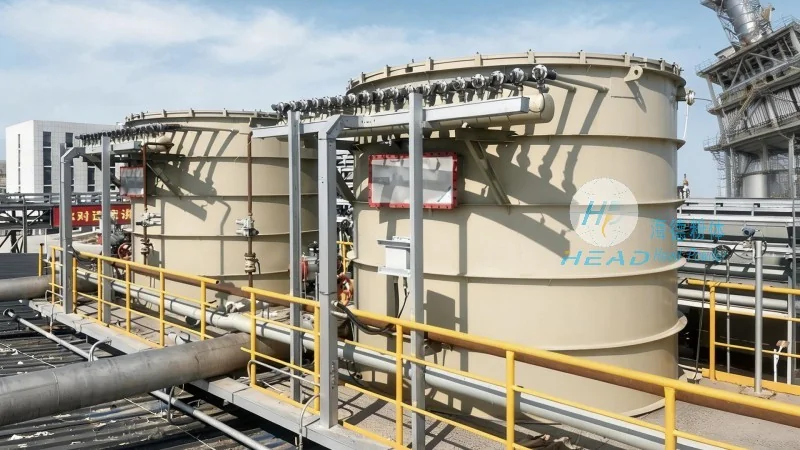
Material Handling Safety and Environmental Considerations
Ensuring the safety of personnel and compliance with environmental regulations is a top priority in fertilizer pneumatic conveying system design. The system must incorporate features such as dust collection systems, explosion-proof components, and emergency shutdown mechanisms to mitigate risks. Additionally, the design should consider the potential for material leakage or contamination, implementing sealed connections and proper ventilation to protect both the environment and workers. HeadPowder adheres to international safety standards and provides comprehensive safety assessments as part of their system design services.
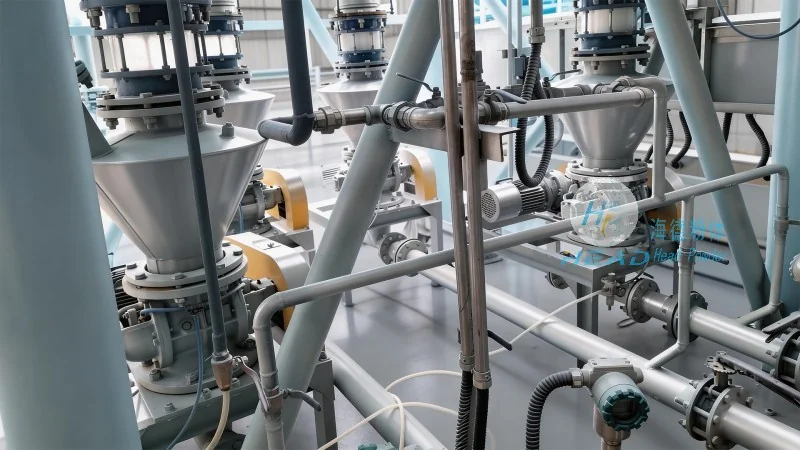
Integration with Existing Infrastructure and Process Flow
For existing fertilizer facilities, integrating a new pneumatic conveying system with current infrastructure is a key consideration. Engineers must evaluate the compatibility of the new system with existing storage silos, feeders, and processing equipment. This may involve modifying existing structures or installing new components to ensure seamless operation. The system's control system must also be integrated with the plant's overall control network to enable real-time monitoring and automation. HeadPowder specializes in retrofitting and upgrading existing systems, leveraging their expertise to minimize disruption and maximize efficiency.
Maintenance and Long-Term Reliability
The long-term reliability of a fertilizer pneumatic conveying system depends on regular maintenance and proper component selection. Engineers must choose materials that resist corrosion and wear, such as stainless steel or special alloys, to ensure the system's longevity. Regular maintenance, including cleaning of ducts, replacement of worn parts, and monitoring of air mover performance, is essential to prevent system failures and extend the equipment's lifespan. HeadPowder offers comprehensive maintenance services and provides detailed maintenance schedules to ensure the system operates at peak performance over its operational life.