

Design Considerations for Wood Chip Pneumatic Conveying System Solutions
When designing a wood chip pneumatic conveying system, several key factors must be considered to ensure efficient, reliable, and cost-effective operation. The system's performance directly impacts the overall productivity and sustainability of wood processing facilities. This article outlines essential design considerations, emphasizing practical solutions tailored to the unique challenges of handling wood chips.
System Selection and Material Characteristics
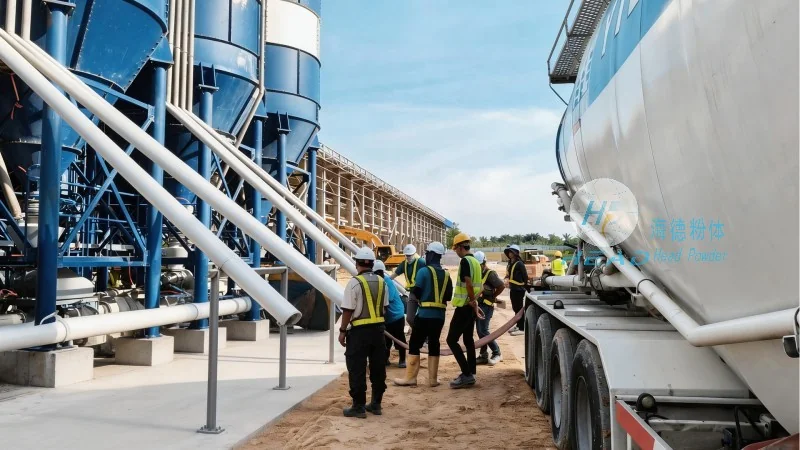
The first step in designing a wood chip pneumatic conveying system is to evaluate the material characteristics of the wood chips. Key factors include particle size, moisture content, bulk density, and abrasiveness. These properties influence the choice between positive and negative pressure systems. For wood chips with high moisture content or large particle sizes, positive pressure systems are often preferred as they can handle more challenging materials with greater efficiency. The company, Shandong HeadPowder Engineering Co., Ltd., specializes in customizing systems that match these specific material requirements, ensuring optimal performance from the outset.
Pipeline Design and Layout
Pipeline design is critical to the system's effectiveness. The layout should minimize bends and vertical lifts to reduce pressure drop and energy consumption. The diameter of the pipeline is determined by the material flow rate and velocity. Properly sized pipelines prevent blockages and ensure consistent material transport. The company's engineers use advanced computational fluid dynamics (CFD) to simulate flow patterns and optimize pipeline dimensions, resulting in systems that operate efficiently even under varying load conditions. The location of the system, as indicated by the company's address in Shandong, China, allows for local expertise in adapting designs to regional environmental and operational constraints.
Pressure Control and Energy Efficiency
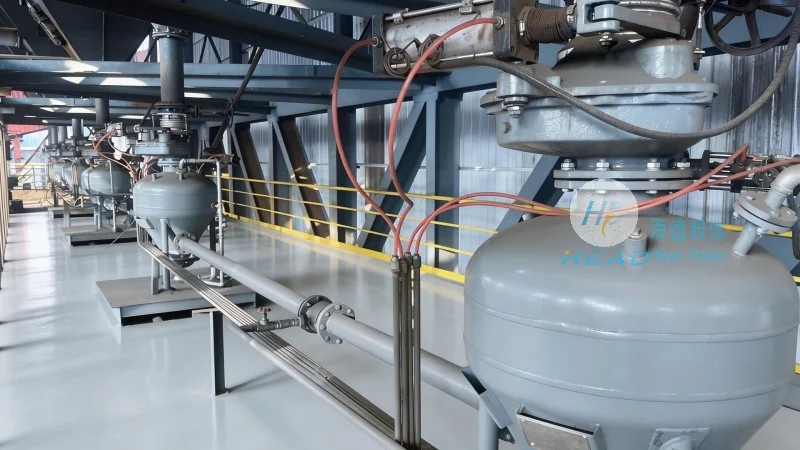
Pressure control is a core aspect of pneumatic conveying system design. Maintaining consistent pressure ensures steady material flow and prevents system failures. The use of variable frequency drives (VFDs) and pressure sensors allows for real-time adjustments, optimizing energy usage. Energy efficiency is a significant consideration, as pneumatic conveying systems can consume substantial power. The company focuses on integrating energy-saving technologies, such as optimized blower selection and efficient pipeline designs, to reduce operational costs while maintaining high performance standards.
Equipment Selection and Maintenance
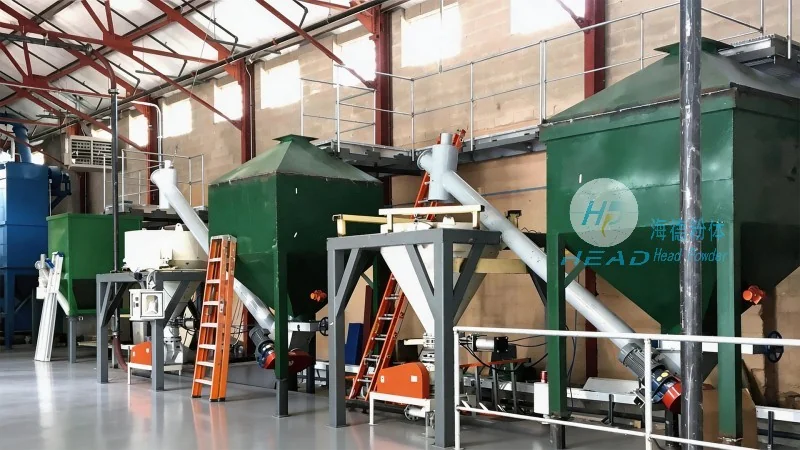
Choosing the right equipment, including blowers, filters, and material handling components, is essential for system longevity and reliability. High-quality components, such as those from reputable manufacturers, are recommended to minimize downtime and maintenance costs. The company provides comprehensive equipment selection services, ensuring that all components are compatible and designed for the specific application. Regular maintenance, including filter cleaning and blower inspection, is crucial to prevent system degradation. The company's local presence in Shandong, China, enables prompt maintenance support, ensuring that systems remain operational and efficient over their service life.
Integration with Existing Facilities
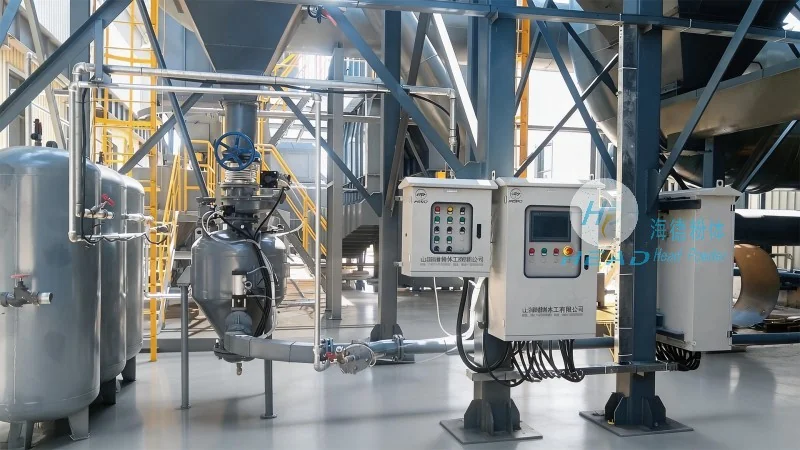
When integrating a new wood chip pneumatic conveying system with existing wood processing facilities, compatibility is key. The system must align with the facility's layout, electrical infrastructure, and operational procedures. The company offers integration services, working closely with clients to ensure seamless operation. This includes coordinating with other equipment and processes, such as storage and processing units, to create a cohesive workflow. The company's experience in designing systems for various wood processing applications ensures that integration challenges are addressed effectively, minimizing disruptions to production.
Conclusion
Designing a wood chip pneumatic conveying system requires a comprehensive approach that considers material characteristics, pipeline design, pressure control, equipment selection, and integration with existing facilities. By addressing these key factors, facilities can achieve efficient, reliable, and cost-effective material transport. Shandong HeadPowder Engineering Co., Ltd., with its expertise and local presence in Shandong, China, provides tailored solutions that meet the specific needs of wood processing operations, ensuring optimal performance and long-term success.