

Key Design Considerations for Sawdust Pneumatic Conveying System Solutions
HeadPowder, a leading engineering firm based in Shandong, China, specializes in the design and implementation of efficient sawdust pneumatic conveying systems. Our expertise lies in creating tailored solutions that address the unique challenges of handling sawdust, ensuring reliable and cost-effective material transport for various industrial applications.
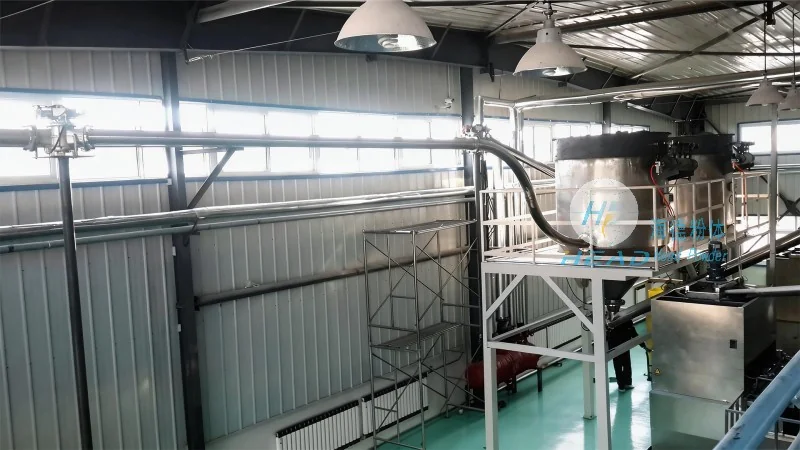
Core Design Principles for Sawdust Pneumatic Conveying Systems
When designing a sawdust pneumatic conveying system, several critical factors must be considered to optimize performance and longevity. The first is the selection of the appropriate conveying method—whether it's a positive pressure system, negative pressure system, or a combination of both. Positive pressure systems are ideal for long-distance or high-capacity transport, as they push material through the pipeline using a blower or compressor. Negative pressure systems, on the other hand, draw material into the system, which is suitable for shorter distances and when dust control is a priority. The choice depends on the specific application, material characteristics, and operational requirements.
Another key consideration is the material's properties, particularly its density, moisture content, and flowability. Sawdust is a light, porous material that can be prone to bridging or settling in pipelines if not properly handled. To mitigate these issues, the system design must include features such as adequate hopper design, vibration mechanisms, and air flow control. The hopper should be designed with a conical or wedge shape to prevent material accumulation and ensure smooth discharge. Vibration or agitation devices can be integrated to break up any agglomerates and maintain consistent flow. Air flow control, including the use of airlocks and pressure relief valves, is essential to regulate the air pressure and prevent over-pressurization or vacuum conditions that could damage the system or affect material transport efficiency.
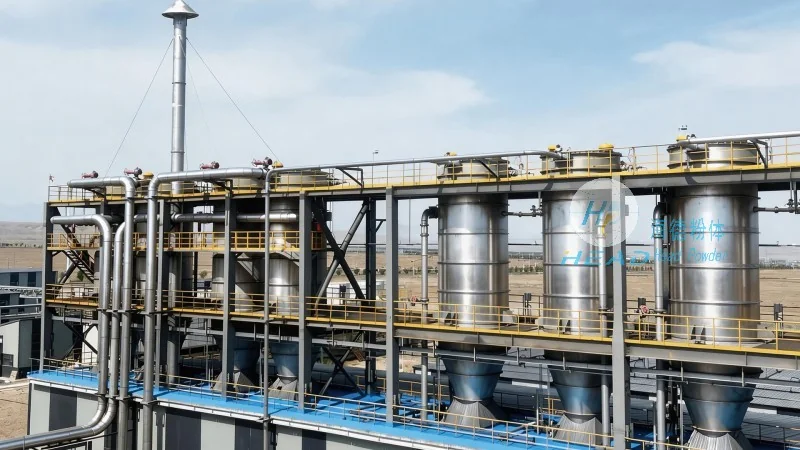
System Components and Their Roles
A sawdust pneumatic conveying system typically consists of several key components, each playing a vital role in the overall operation. The primary components include the material feed hopper, air supply unit (blower or compressor), conveying pipeline, and material discharge outlet. The feed hopper is responsible for storing and feeding the sawdust into the system, while the air supply unit generates the necessary airflow to move the material. The pipeline, often made of stainless steel or other corrosion-resistant materials, transmits the sawdust and air mixture. Airlocks are commonly used at the discharge end to separate the material from the air and prevent backflow, ensuring clean and efficient material handling.
The blower or compressor is a critical component that determines the system's capacity and pressure. For sawdust, a high-efficiency, low-noise blower is often preferred to minimize energy consumption and noise pollution. The selection of the blower's capacity is based on the material's bulk density, flow rate, and pipeline length. Proper sizing is essential to avoid under- or over-pressurization, which can lead to reduced efficiency or equipment damage. Additionally, the system may include filters and cyclones to separate the sawdust from the air, ensuring that the material is delivered to the destination without contamination and that the air is cleaned before being released or recirculated.
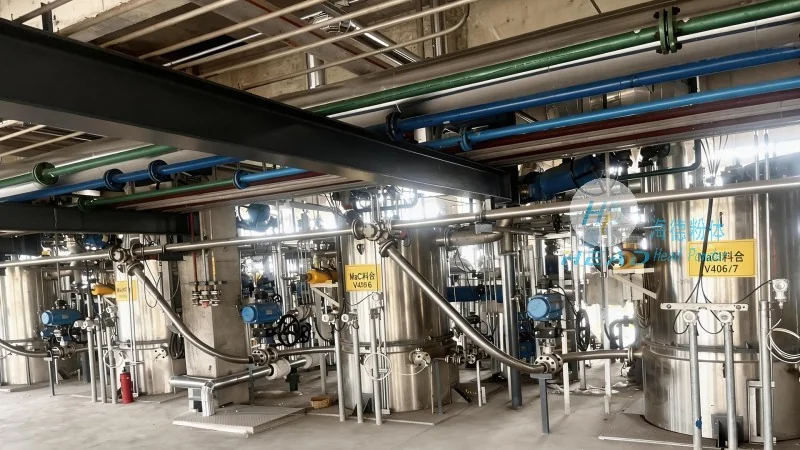
Optimizing System Performance and Efficiency
Efficient operation of a sawdust pneumatic conveying system requires careful attention to system maintenance and operational parameters. Regular maintenance, such as cleaning filters, checking blower performance, and inspecting pipeline integrity, is crucial to prevent downtime and extend the system's lifespan. Monitoring air pressure and flow rates in real-time allows operators to adjust the system as needed, ensuring optimal performance under varying conditions. For example, during periods of high material demand, increasing the blower speed or adjusting the feed rate can maintain consistent transport efficiency. Conversely, during low-demand periods, reducing the airflow can save energy and reduce operational costs.
Energy efficiency is another important aspect of system design. By selecting high-efficiency components and optimizing the system's airflow, the overall energy consumption can be minimized. This not only reduces operational costs but also aligns with environmental sustainability goals. Additionally, implementing dust control measures, such as using sealed hoppers and proper ventilation, helps to minimize dust emissions and improve workplace safety. These measures are particularly important in sawdust handling applications, where dust can be a health hazard and contribute to air pollution.
Customization and Application-Specific Solutions
HeadPowder understands that each industrial application has unique requirements, and our sawdust pneumatic conveying systems are designed to be highly customizable. Whether the application involves transporting sawdust from a sawmill to a storage facility, feeding it into a pelletizing machine, or moving it to a processing plant, our engineers work closely with clients to develop tailored solutions. We consider factors such as the system's capacity, the distance to be covered, the material's characteristics, and the client's budget to create a system that meets all operational and financial needs.
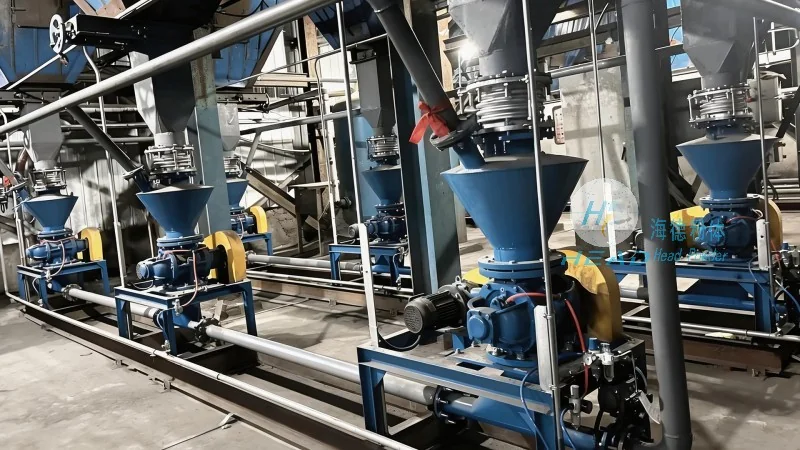
For example, in a sawmill setting, a positive pressure system with a large hopper and high-capacity blower may be required to handle the high volume of sawdust produced. In contrast, a smaller system with a negative pressure design might be suitable for a woodworking shop that processes smaller quantities of sawdust. Our team conducts thorough site assessments and material tests to gather the necessary data for system design, ensuring that the final solution is both effective and cost-efficient.
Conclusion
Designing an effective sawdust pneumatic conveying system requires a comprehensive understanding of material properties, system components, and operational requirements. By adhering to key design principles, selecting appropriate components, and optimizing performance, HeadPowder delivers reliable and efficient solutions that meet the needs of various industrial applications. Our commitment to quality, customization, and sustainability ensures that our clients receive systems that not only enhance productivity but also contribute to a safer and more environmentally friendly workplace.