

Design Key Points for Barley Pneumatic Conveying System Solutions
For businesses in the agricultural and food processing sectors, the efficient and reliable transportation of bulk materials like barley is crucial for maintaining production flow and product quality. Pneumatic conveying systems offer a solution that minimizes contamination, reduces labor costs, and enhances overall operational efficiency. This article outlines the key design considerations for a barley pneumatic conveying system, presented by Shandong HeadPowder Engineering Co., Ltd., a leading provider of engineering solutions in China.
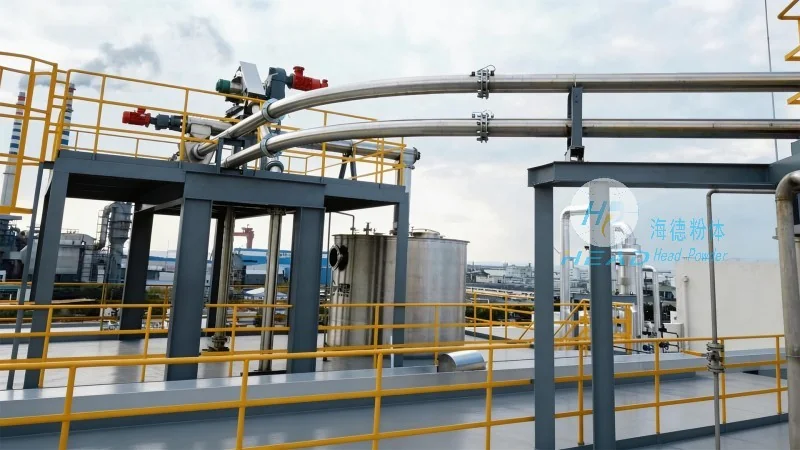
Understanding the Importance of Pneumatic Conveying for Barley Handling
Barley, as a key raw material in brewing, animal feed, and other industries, requires specialized handling to preserve its quality and integrity. Traditional methods such as bucket elevators or belt conveyors may introduce dust, moisture, or mechanical damage to the grain. Pneumatic conveying systems, which use air to transport materials through a pipeline, provide a closed-loop environment that protects barley from external contaminants and maintains its natural properties. This is particularly important for high-value barley used in premium beer production or specialized animal feed formulations.
Key Design Considerations for Barley Pneumatic Conveying Systems
When designing a pneumatic conveying system for barley, several critical factors must be addressed to ensure optimal performance and longevity. These include material selection for the conveying line, air flow management, and system layout. The choice of materials, such as stainless steel or food-grade plastic, is essential to prevent corrosion and maintain hygiene standards. Air flow velocity and pressure must be carefully calculated to prevent material deposition or excessive wear on components. Additionally, the system layout should consider the distance and elevation changes between the source and destination points, as well as the need for proper filtration and dust collection to comply with environmental regulations.
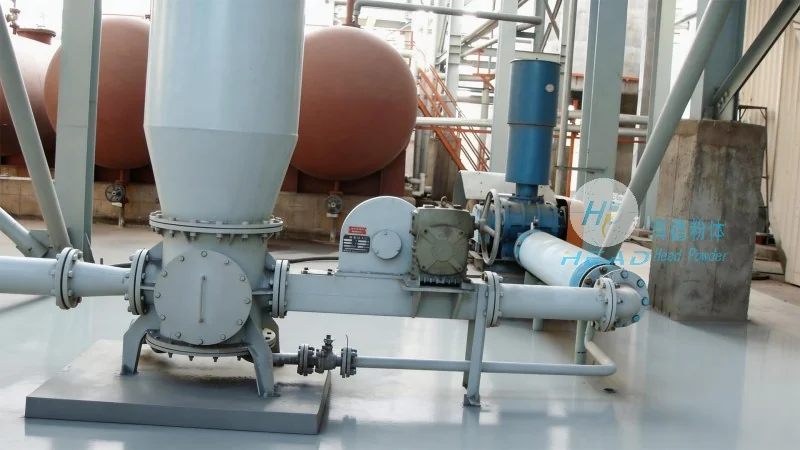
System Components and Their Role in Barley Conveying
A typical barley pneumatic conveying system consists of several key components, each playing a vital role in the overall operation. The feed hopper is responsible for storing and feeding the barley into the system, ensuring a consistent flow rate. The air compressor generates the necessary pressure to move the material through the pipeline. The conveying line, often made of flexible or rigid tubing, transports the barley and air mixture. The receiver or discharge hopper collects the material at the end of the line. Finally, filtration and dust collection systems remove any airborne particles, protecting both the environment and downstream equipment.
Optimizing Airflow and Pressure for Efficient Barley Transport
One of the most critical aspects of pneumatic conveying system design is optimizing airflow and pressure. The velocity of the air stream must be sufficient to lift and transport the barley particles without causing excessive wear on the system components. This is typically achieved by calculating the appropriate air-to-material ratio, which balances the need for efficient transport with energy efficiency. The system pressure is also a key parameter, as higher pressures can increase conveying distances but may require more robust components and higher energy consumption. Engineers must consider these factors to design a system that meets the specific requirements of the barley handling operation while minimizing operational costs.
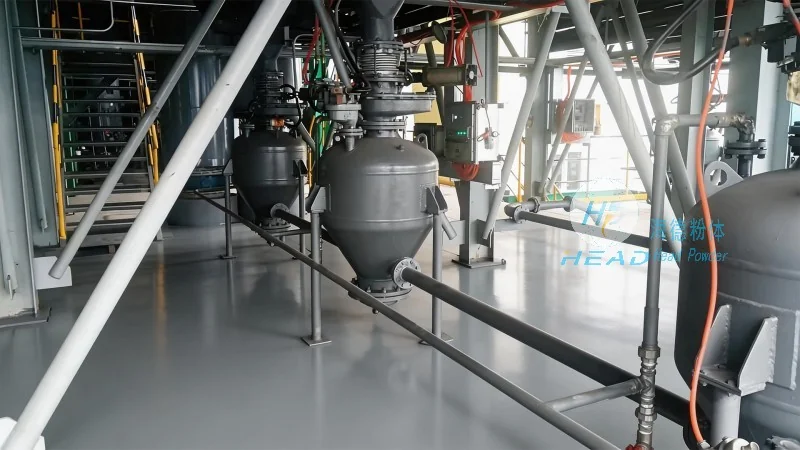
Ensuring System Reliability and Maintenance
For continuous operation in industrial settings, the reliability of a pneumatic conveying system is paramount. Regular maintenance is essential to prevent system failures and ensure consistent performance. This includes monitoring air compressor performance, inspecting the conveying line for blockages or wear, and cleaning filtration systems. The use of high-quality components, such as wear-resistant liners and efficient filters, can extend the lifespan of the system and reduce downtime. Additionally, implementing a preventive maintenance schedule, based on manufacturer recommendations and operational experience, helps to identify potential issues before they become major problems.
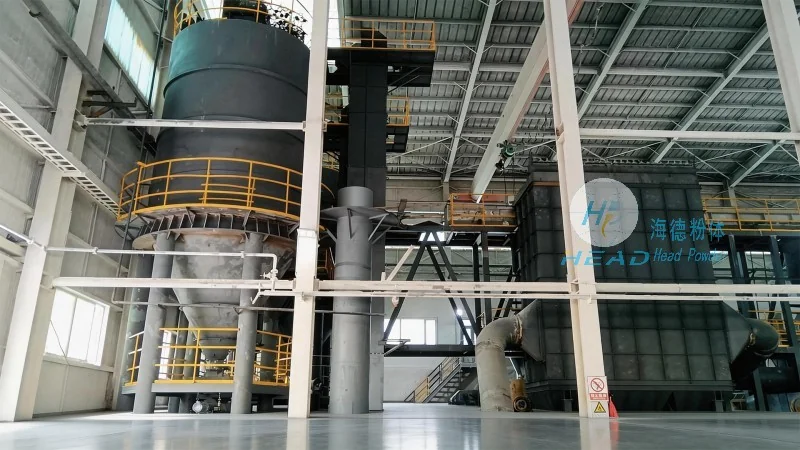
Environmental and Safety Considerations
As with any industrial system, pneumatic conveying of barley must comply with environmental and safety regulations. The filtration and dust collection systems must be designed to capture and remove airborne particles, preventing pollution and ensuring worker safety. The system should also be equipped with safety features such as pressure relief valves and emergency shut-off mechanisms to prevent accidents. Compliance with local regulations regarding noise levels, dust emissions, and material handling is essential to maintain a positive relationship with the community and avoid legal issues.
Conclusion: Choosing the Right Pneumatic Conveying Solution for Barley
Designing an effective pneumatic conveying system for barley requires a comprehensive approach that considers material properties, operational requirements, and regulatory standards. By addressing key design considerations such as material selection, airflow management, and system layout, businesses can achieve efficient, reliable, and cost-effective transportation of barley. Shandong HeadPowder Engineering Co., Ltd. specializes in providing customized engineering solutions tailored to the unique needs of barley handling operations, ensuring that clients receive a system that meets their specific production goals while maintaining the highest standards of quality and safety.