

[Detailed Explanation of Foundry Sand Pneumatic Conveying Systems]
Foundry sand, a critical material in the casting industry, requires efficient and reliable handling systems to ensure smooth production processes. Pneumatic conveying systems have emerged as a preferred solution for transporting foundry sand due to their ability to handle abrasive materials and maintain consistent flow rates. This article provides a comprehensive overview of pneumatic conveying systems designed for foundry sand, highlighting key components, operational principles, and the benefits they offer to manufacturers.
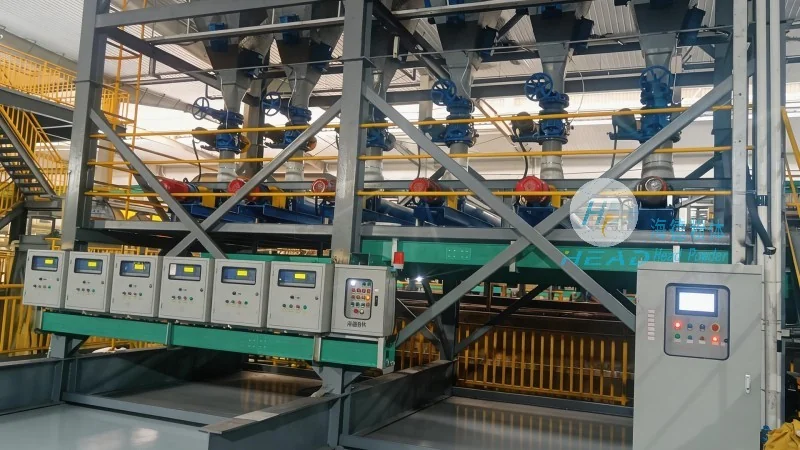
Introduction to Pneumatic Conveying for Foundry Sand
Pneumatic conveying systems utilize air or gas to transport bulk materials like foundry sand through a network of pipes. Unlike mechanical conveyors, which rely on moving parts and may cause wear and tear on abrasive materials, pneumatic systems offer a more gentle and efficient method of material transport. The primary advantage of these systems is their ability to handle fine, dry, or dusty materials without the need for additional equipment such as buckets or belts. This makes them ideal for foundry applications where sand must be moved between storage, mixing, and molding areas with minimal loss or contamination.
Key Components of a Foundry Sand Pneumatic Conveying System
A typical foundry sand pneumatic conveying system consists of several essential components that work together to ensure efficient material transport. The main components include a material feed hopper, a conveyor line (composed of straight and/or curved pipes), a blower or air compressor, a dust collector, and a discharge hopper. Each component plays a crucial role in the overall operation of the system.
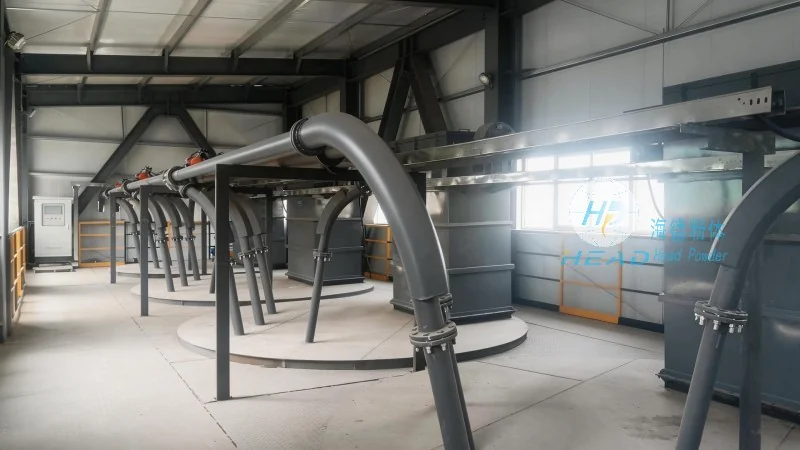
The material feed hopper is responsible for storing and feeding the foundry sand into the conveyor line. It is designed to maintain a consistent flow of material, preventing blockages and ensuring steady operation. The conveyor line, made from durable materials such as stainless steel or high-grade plastic, is the backbone of the system. It transports the sand from the feed hopper to the discharge point. The blower or air compressor provides the necessary air pressure to move the sand through the pipes. This component is critical as it determines the system's capacity and efficiency. The dust collector is an integral part of the system, capturing any airborne particles and preventing dust emissions, which is essential for maintaining a clean and safe working environment. Finally, the discharge hopper collects the sand at the end of the conveyor line, ready for use in the next stage of the casting process.
Operational Principles and Types of Pneumatic Conveying
Pneumatic conveying systems operate based on the principle of using air to create a flow of material through a pipe. There are two main types of pneumatic conveying systems: dilute phase and dense phase. Dilute phase systems use low air velocity to transport material, resulting in a relatively low pressure drop and lower energy consumption. These systems are suitable for short distances and low to medium material flow rates. Dense phase systems, on the other hand, use higher air velocity and pressure to create a more concentrated flow of material, resulting in higher pressure drops and higher energy consumption. Dense phase systems are ideal for longer distances and higher material flow rates, as they can maintain a more consistent flow and reduce material degradation.
Benefits of Using Pneumatic Conveying Systems for Foundry Sand
Implementing a pneumatic conveying system for foundry sand offers numerous benefits to manufacturers. One of the primary advantages is the reduction in material handling time and labor costs. By automating the transport of sand, manufacturers can increase production efficiency and reduce the risk of human error. Additionally, pneumatic systems minimize material loss and contamination, ensuring that the sand remains clean and free from foreign particles. This is particularly important in foundry applications where even small amounts of impurities can affect the quality of the final product. Another benefit is the improved safety and working conditions. By eliminating the need for manual handling of bulk materials, pneumatic systems reduce the risk of accidents and exposure to dust, creating a safer working environment for employees.
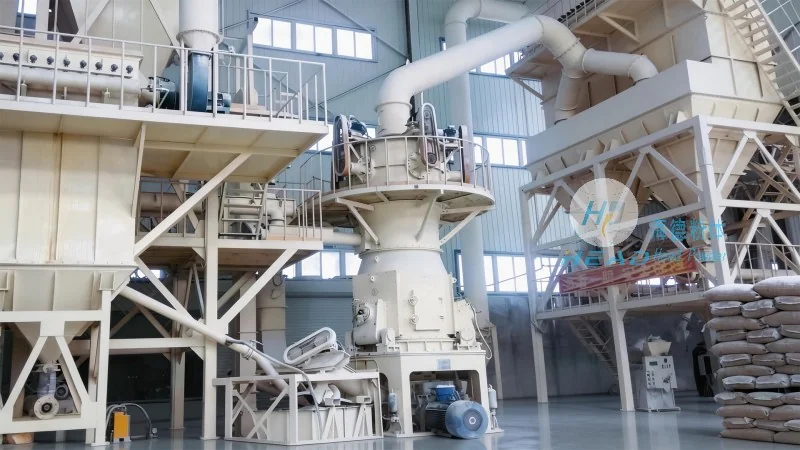
Customization and Maintenance of Foundry Sand Pneumatic Conveying Systems
Foundry sand pneumatic conveying systems can be customized to meet the specific needs of individual manufacturers. This includes adjusting the system's capacity, the length and diameter of the conveyor line, and the type of blower or air compressor used. Customization ensures that the system operates efficiently and effectively for the specific foundry application. Regular maintenance is also crucial to ensure the long-term performance and reliability of the system. This includes cleaning the conveyor line, inspecting the blower and air compressor, and checking the condition of the material feed hopper and discharge hopper. Proper maintenance can extend the lifespan of the system and reduce the risk of breakdowns, minimizing downtime and production losses.
Conclusion
Pneumatic conveying systems are an essential component of modern foundry operations, providing efficient and reliable transport of foundry sand. By understanding the key components, operational principles, and benefits of these systems, manufacturers can make informed decisions about implementing or upgrading their material handling infrastructure. With proper customization and maintenance, pneumatic conveying systems can significantly improve production efficiency, reduce costs, and enhance safety in foundry applications. As the demand for high-quality casting products continues to grow, the importance of efficient material handling systems like pneumatic conveying will only increase, making them a critical investment for manufacturers in the foundry industry.