

[Detailed Explanation of Wood Powder Pneumatic Conveying Systems]
Wood powder pneumatic conveying systems represent a sophisticated method for transporting wood powder materials efficiently and reliably. This technology is crucial for industries that handle wood-based powders, such as woodworking, paper manufacturing, and biomass energy production. The system utilizes air as the medium to move the powder, offering advantages over traditional mechanical conveying methods.
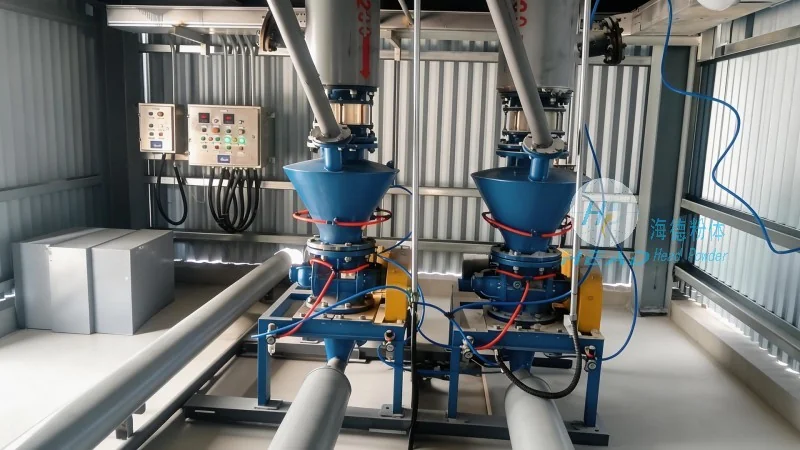
System Overview and Core Components
A typical wood powder pneumatic conveying system consists of several key components that work in tandem to ensure smooth operation. The primary components include a hopper for material storage, a feeder to control the flow of wood powder, a conveying line (often a pipe), a blower or compressor to generate the air flow, and a receiver for the discharged material. Each component plays a vital role in maintaining the system's efficiency and performance.
The hopper is designed to hold the wood powder, ensuring a consistent feed to the feeder. The feeder, which can be a rotary valve or a screw feeder, regulates the amount of powder released into the conveying line. The blower or compressor provides the necessary air pressure to move the powder through the pipe. The conveying line, typically made of stainless steel or other corrosion-resistant materials, is designed to withstand the abrasive nature of wood powder and the pressure from the air flow. The receiver collects the material at the end of the conveying line, completing the transport process.
Working Principle of Pneumatic Conveying
The operation of a wood powder pneumatic conveying system is based on the principle of fluidization and drag. When air is introduced into the conveying line at a sufficient velocity, it creates a flow that lifts and transports the wood powder particles. This process is often referred to as "air-assisted" or "pressure" conveying, depending on the system design. In pressure systems, the air is compressed and forced through the line, while in vacuum systems, the air is drawn from the receiver to create a negative pressure that pulls the powder.
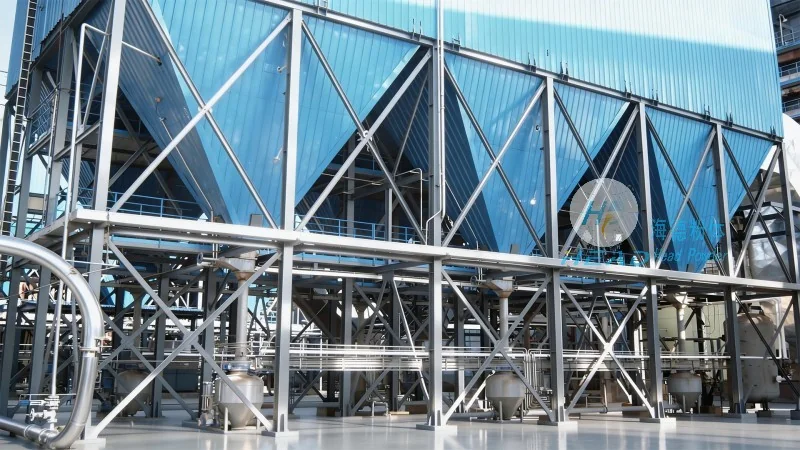
The key to effective conveying lies in achieving the right air velocity and pressure. If the air velocity is too low, the powder may settle and cause blockages. If it is too high, it can lead to excessive wear on the system components and energy waste. Proper system design and maintenance are essential to optimize these parameters for the specific wood powder being transported.
Advantages of Wood Powder Pneumatic Conveying Systems
Compared to traditional mechanical conveying methods, wood powder pneumatic conveying systems offer several significant advantages. First, they are highly efficient in terms of material transport, as they can move large quantities of powder over long distances with minimal labor. Second, they are less prone to material degradation, as the powder is not subjected to friction or impact that can occur in mechanical systems. Third, the systems are flexible and can be easily integrated into existing production lines, allowing for adjustments to production rates and material types.
Another advantage is the ability to handle a wide range of wood powder characteristics, including different particle sizes, moisture contents, and densities. The system's design can be customized to accommodate these variations, ensuring optimal performance. Additionally, pneumatic conveying systems are relatively low maintenance, as they have fewer moving parts compared to mechanical systems, reducing the risk of breakdowns and downtime.
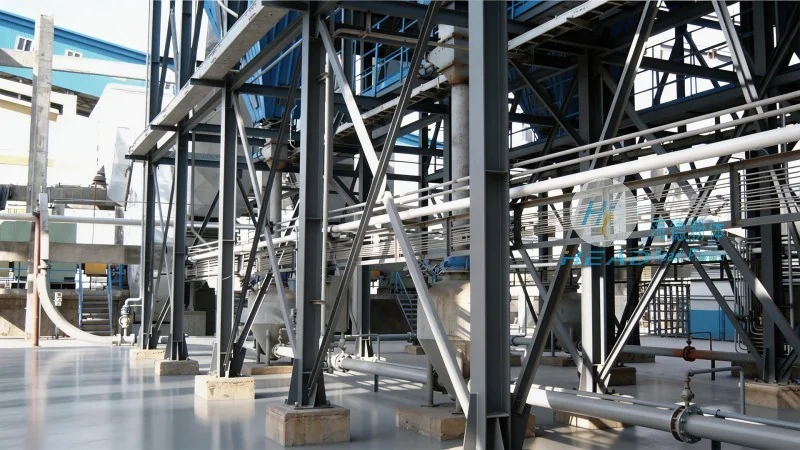
Applications in Wood Processing Industries
Wood powder pneumatic conveying systems are widely used in various applications within the wood processing industry. In woodworking facilities, they are used to transport wood flour or sawdust from storage to processing equipment, such as mixers or extruders. In paper manufacturing, the system can convey wood pulp or other powders to the papermaking machines. In biomass energy production, the system is used to transport wood pellets or powder to the combustion or gasification units.
In each of these applications, the system ensures that the wood powder is delivered to the processing equipment in a consistent and controlled manner, improving the overall efficiency of the production process. The ability to handle large volumes of material quickly and reliably makes the system an essential component in modern wood processing operations.
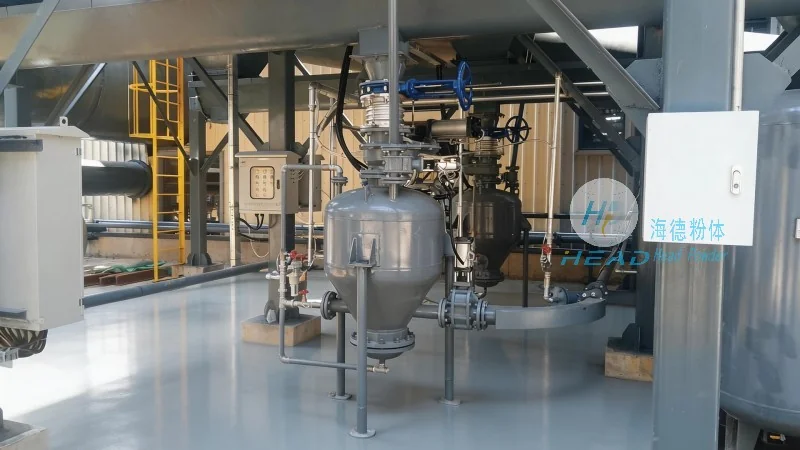
About Shandong HeadPowder Engineering Co., Ltd.
Shandong HeadPowder Engineering Co., Ltd., operating under the brand name headpowder, is a leading manufacturer and supplier of wood powder pneumatic conveying systems. The company is headquartered in Shandong, China, and has a strong reputation for providing high-quality, reliable, and efficient conveying solutions to clients worldwide. With years of experience in the industry, headpowder has developed a range of systems tailored to meet the specific needs of different wood processing applications.
The company's products are designed with the latest technology and engineering principles, ensuring optimal performance and durability. They are manufactured using high-quality materials and undergo rigorous testing to meet industry standards. Headpowder's team of experts provides comprehensive support, including system design, installation, and maintenance services, to ensure that clients get the best possible solution for their wood powder conveying needs.
With a commitment to innovation and customer satisfaction, Shandong HeadPowder Engineering Co., Ltd. continues to be a trusted partner for businesses in the wood processing industry, helping them to improve their production efficiency and reduce operational costs through advanced pneumatic conveying technology.