

Peanut Conveying: Positive Pressure vs. Negative Pressure - How to Differentiate
In the realm of material handling, selecting the appropriate conveying system is crucial for efficiency and operational success. For industries dealing with bulk materials like peanuts, the choice between positive pressure and negative pressure systems can significantly impact productivity, cost, and equipment longevity. This article aims to provide a comprehensive guide to understanding the differences between these two conveying methods, helping businesses make informed decisions when selecting the right system for their peanut handling needs.
Understanding Conveying Systems in Peanut Handling
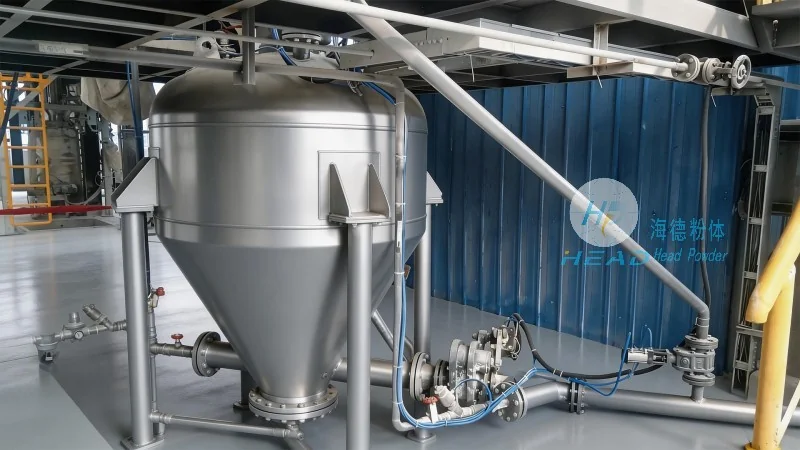
Peanut conveying systems are designed to transport peanuts from one location to another within a processing facility. These systems are essential for moving peanuts from storage bins to processing lines, or from processing stages to packaging areas. The two primary types of conveying systems used in peanut handling are positive pressure and negative pressure systems. Each has its own set of characteristics, advantages, and applications, making it important to evaluate which system best suits specific operational requirements.
Positive Pressure Conveying Systems
Positive pressure conveying systems operate by forcing air or gas through the conveying line, creating a pressure that propels the material forward. This method is often referred to as "blowing" or "pushing" the material. In a positive pressure system, the air is supplied from a blower or fan, and the pressure is maintained at a level higher than the ambient air pressure. The material is carried along by the moving air, which is typically filtered to remove dust and other contaminants.
One of the key advantages of positive pressure systems is their ability to handle a wide range of materials, including those that are dusty or have a tendency to create static electricity. The high pressure ensures that the material is moved efficiently, even in long or complex conveying lines. Additionally, positive pressure systems are generally more effective in preventing material spillage and leakage, as the pressure keeps the material contained within the conveying line.
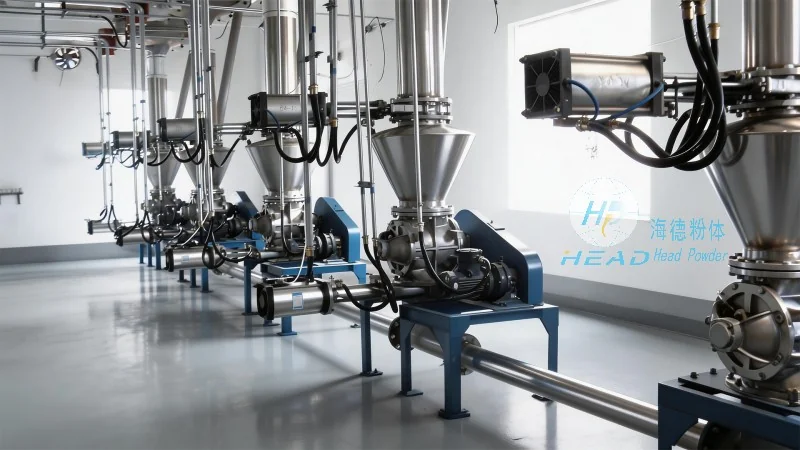
However, positive pressure systems may require more maintenance due to the higher pressure and the need for robust filtration systems. The equipment used in these systems, such as blowers and filters, can be more expensive to install and maintain compared to negative pressure systems. Furthermore, the high pressure can sometimes lead to increased energy consumption, which may impact operational costs over time.
Negative Pressure Conveying Systems
Negative pressure conveying systems, on the other hand, operate by creating a vacuum or suction within the conveying line. This method is often referred to as "sucking" or "pulling" the material. In a negative pressure system, the air is drawn from the conveying line by a vacuum fan or blower, creating a pressure that is lower than the ambient air pressure. The material is drawn into the line by the suction, and the air is then filtered and expelled.
A major advantage of negative pressure systems is their lower energy consumption compared to positive pressure systems. The suction mechanism requires less power to operate, making it more energy-efficient. Additionally, negative pressure systems are often more suitable for handling materials that are light or have a tendency to float, as the suction can effectively capture and transport these materials without the need for high pressure.
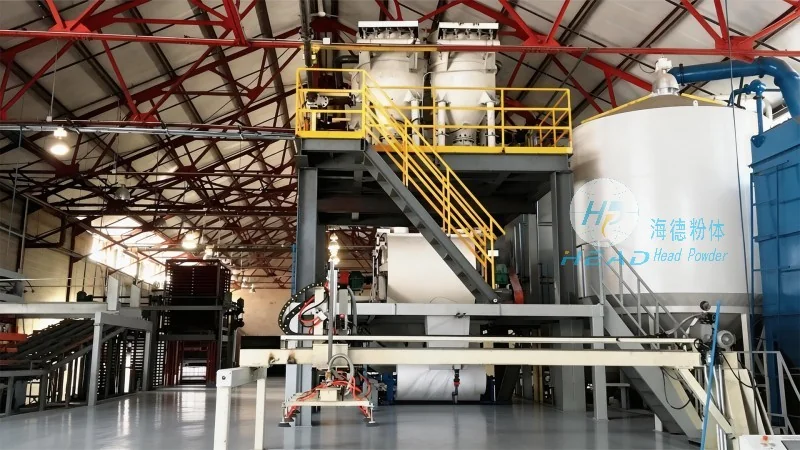
However, negative pressure systems may be less effective in handling materials that are heavy or have a tendency to create blockages. The suction force may not be strong enough to move large quantities of material, especially in long or complex conveying lines. Furthermore, negative pressure systems can be more prone to material spillage and leakage, as the lower pressure may not keep the material fully contained within the line.
Distinguishing Between Positive and Negative Pressure Systems
When evaluating which conveying system is best for peanut handling, several factors should be considered. The first factor is the material characteristics of the peanuts. For example, if the peanuts are dusty or have a tendency to create static electricity, a positive pressure system may be more suitable due to its ability to handle these characteristics effectively. Conversely, if the peanuts are light and have a tendency to float, a negative pressure system may be more appropriate.
The second factor is the length and complexity of the conveying line. Positive pressure systems are generally more effective in long or complex lines due to their high pressure and ability to maintain material flow. Negative pressure systems may be more suitable for shorter or simpler lines where energy efficiency is a priority.
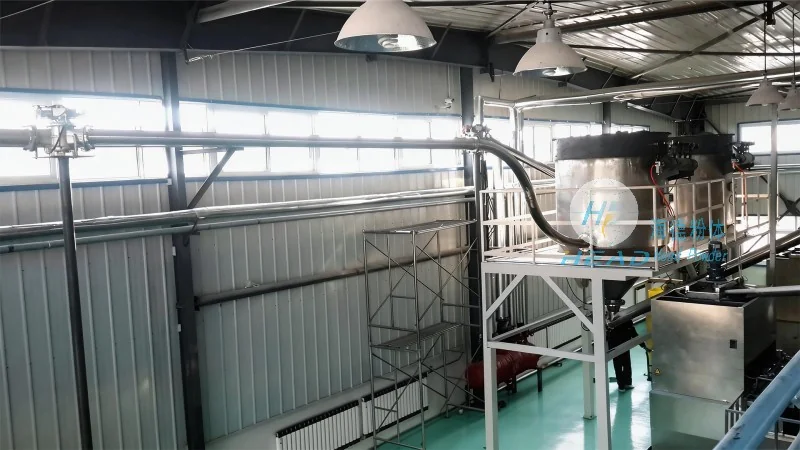
The third factor is the operational cost considerations. Positive pressure systems may have higher initial and maintenance costs due to the need for robust equipment and filtration systems. Negative pressure systems, while more energy-efficient, may require more frequent maintenance of the vacuum fan and filtration system.
Conclusion
Choosing between positive pressure and negative pressure conveying systems for peanut handling requires a careful evaluation of the material characteristics, conveying line requirements, and operational cost considerations. Positive pressure systems offer high efficiency and effective material handling, while negative pressure systems provide energy efficiency and suitability for lighter materials. By understanding the differences between these two systems, businesses can select the right conveying system that meets their specific needs and enhances overall operational performance.
For businesses in the peanut processing industry, partnering with a reputable engineering company like Shandong HeadPowder Engineering Co., Ltd. can provide expert guidance in selecting and implementing the most suitable conveying system. With years of experience in material handling solutions, HeadPowder offers tailored solutions that address the unique challenges of peanut processing, ensuring optimal efficiency and productivity.