

Sulfur Conveying: Positive Pressure vs. Negative Pressure - How to Distinguish?
When it comes to handling sulfur, selecting the right conveying method is crucial for efficiency and safety. Two common approaches are positive pressure conveying and negative pressure conveying. Understanding the differences between these two systems is essential for making an informed decision. This article will explore the key distinctions and factors to consider when choosing between positive and negative pressure for sulfur handling.
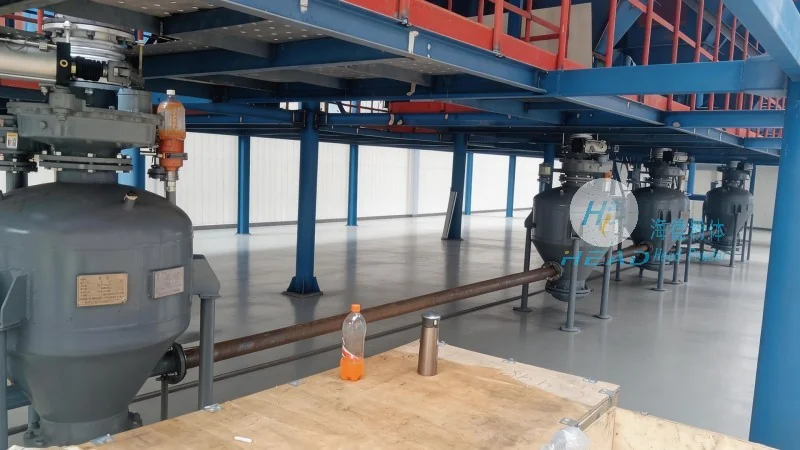
Shandong HeadPowder Engineering Co., Ltd., a leading provider in the field, specializes in designing and manufacturing conveying solutions tailored to the unique needs of sulfur processing. With decades of experience, the company has developed expertise in both positive and negative pressure systems, ensuring optimal performance and reliability for its clients. The company’s headquarters is located in Shandong, China, where it continues to innovate and advance the technology of material handling.
Positive Pressure Conveying: How It Works and Its Advantages
Positive pressure conveying, also known as pressure conveying, involves using a blower or fan to generate positive pressure within the conveying line. This method pushes the material forward through the system. The primary advantage of positive pressure is its ability to handle a wide range of materials, including those with high moisture content or abrasive properties. It is particularly effective for conveying sulfur over long distances or through complex piping networks. The system operates by creating a pressure differential that propels the material, ensuring consistent flow and minimal downtime.
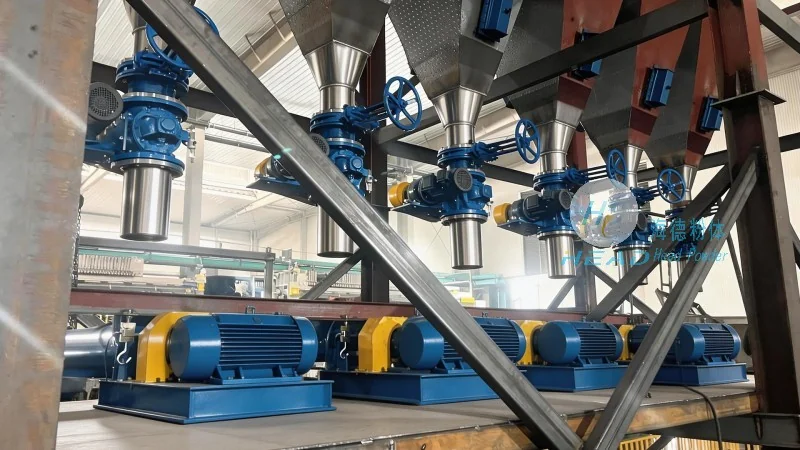
For sulfur handling, positive pressure systems are often preferred when dealing with bulk quantities and when the material needs to be transported to multiple destinations. The high pressure ensures that the material is moved efficiently, reducing the risk of blockages and maintaining a steady flow rate. Additionally, positive pressure conveying can handle materials that are prone to caking or agglomeration, as the force helps break up clumps and keep the material in suspension.
Negative Pressure Conveying: The Vacuum Approach and Its Applications
Negative pressure conveying, or vacuum conveying, uses a vacuum pump to create a negative pressure in the conveying line. This method draws the material into the system and transports it to the destination. Unlike positive pressure, which pushes material, negative pressure pulls it. This approach is ideal for applications where the material is sensitive to high pressure or where the conveying distance is relatively short. Negative pressure systems are commonly used in industries where dust control is a priority, as the sealed system prevents particles from escaping into the environment.
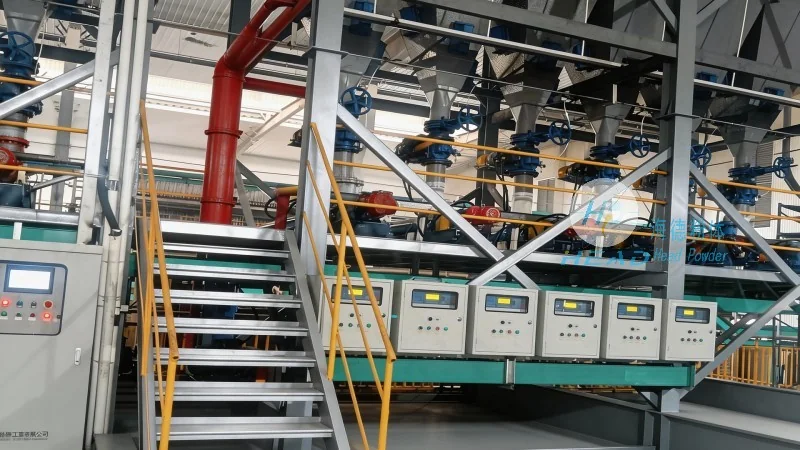
When handling sulfur, negative pressure conveying is often chosen for its ability to minimize dust emissions and maintain a clean working environment. The vacuum system ensures that the material is drawn in without generating excessive pressure, which can be beneficial for materials that are prone to dusting or for applications where the receiving equipment is sensitive to pressure fluctuations. However, negative pressure systems may not be as effective for long-distance conveying or for materials with high bulk density, as the suction force may not be sufficient to move large quantities over extended distances.
Key Factors to Consider When Choosing Between Positive and Negative Pressure
Deciding between positive and negative pressure conveying for sulfur handling requires careful consideration of several factors. The first factor is the distance and layout of the conveying system. Positive pressure is generally more suitable for longer distances and complex piping, while negative pressure is better for shorter distances and simpler setups. The second factor is the material properties of the sulfur. If the material is abrasive or has high moisture content, positive pressure may be preferred due to its ability to handle such conditions. Conversely, if the material is fine and prone to dusting, negative pressure can provide better control over emissions.
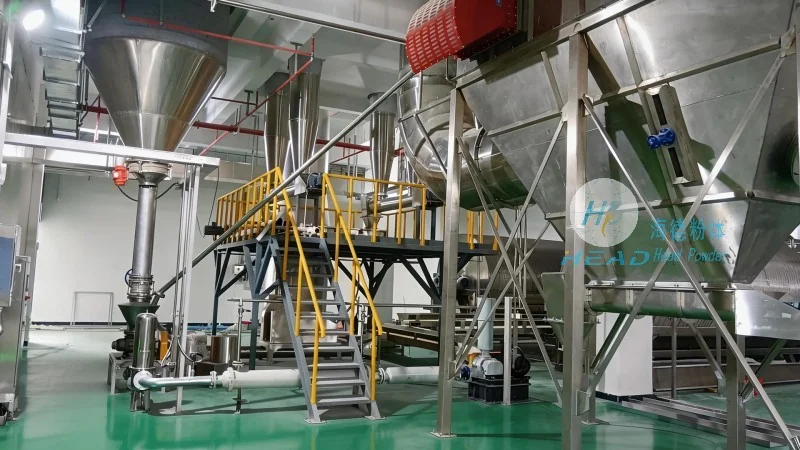
The third factor is the environmental considerations. Negative pressure systems excel in maintaining a dust-free environment, which is crucial in industries where air quality regulations are strict. Positive pressure systems, while effective, may require additional filtration to prevent dust from escaping. The fourth factor is the cost and maintenance requirements. Positive pressure systems often have higher initial costs due to the need for robust blowers and higher-pressure components, but they may have lower long-term maintenance costs. Negative pressure systems, on the other hand, may have lower initial costs but could require more frequent maintenance of the vacuum pump and filtration systems.
Conclusion: Making the Right Choice for Sulfur Conveying
Choosing between positive and negative pressure conveying for sulfur handling is a critical decision that impacts operational efficiency, safety, and cost. By understanding the advantages and limitations of each system, as well as considering the specific requirements of the application, businesses can select the most appropriate conveying method. Shandong HeadPowder Engineering Co., Ltd. offers comprehensive solutions that cater to both positive and negative pressure systems, ensuring that clients receive tailored equipment designed to meet their unique sulfur handling needs. With their expertise and commitment to quality, the company continues to provide reliable and efficient conveying solutions for the sulfur industry.