

Choosing Positive Pressure or Negative Pressure for Pigment Delivery? How to Distinguish?
When it comes to selecting the right pigment delivery system for industrial applications, the choice between positive pressure and negative pressure is a critical decision. Both methods serve the purpose of transporting pigments efficiently, but they operate on fundamentally different principles. Understanding the distinctions between these two approaches is essential for optimizing performance, ensuring product quality, and maintaining operational safety. This article, presented by Shandong HeadPowder Engineering Co., Ltd. (headpowder), will explore the key differences between positive pressure and negative pressure pigment delivery systems, helping you make an informed choice for your specific needs.
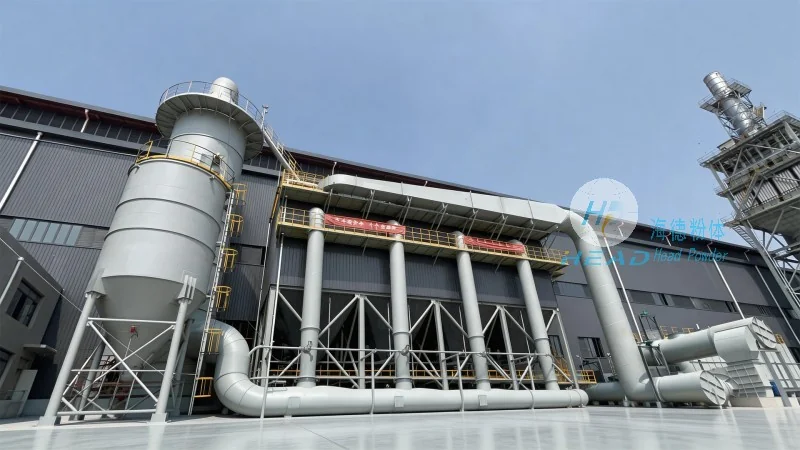
Understanding Positive Pressure Pigment Delivery
Positive pressure pigment delivery systems operate by forcing pigment from a storage container into the processing equipment. This is typically achieved through the use of a pump, such as a diaphragm pump or a centrifugal pump, which generates pressure to move the material. The system maintains a positive pressure throughout the entire pipeline, ensuring that the pigment is continuously pushed forward. This method is particularly effective for handling pigments that are thick, viscous, or contain solid particles, as the pressure helps to prevent clogging and ensures consistent flow. The positive pressure system is commonly used in applications where the pigment needs to be delivered at a high flow rate or over long distances. The primary advantage of this approach is its ability to maintain a stable and reliable flow, even when dealing with challenging materials. However, it requires a robust pump and may consume more energy compared to negative pressure systems. The system also needs to be properly sealed to prevent air ingress, which could affect the pigment's properties.
Exploring Negative Pressure Pigment Delivery
Negative pressure pigment delivery, also known as suction or vacuum-based systems, relies on creating a vacuum to draw the pigment from the storage container into the processing equipment. This is typically accomplished using a vacuum pump or a venturi system that reduces the pressure in the pipeline, causing the pigment to be pulled into the system. The negative pressure method is often preferred for applications where the pigment is relatively low in viscosity and free of large solid particles. It is particularly useful in situations where the processing equipment is located below the storage container, as the gravity can assist in the suction process. The main advantage of negative pressure systems is their lower energy consumption and reduced equipment complexity compared to positive pressure systems. They are also less likely to cause clogging due to the absence of high pressure forces. However, they have limitations in handling thick or highly viscous pigments, as the suction power may not be sufficient to maintain a consistent flow. Additionally, the system is more susceptible to air leaks, which can lead to inconsistent pigment delivery and affect the final product quality.
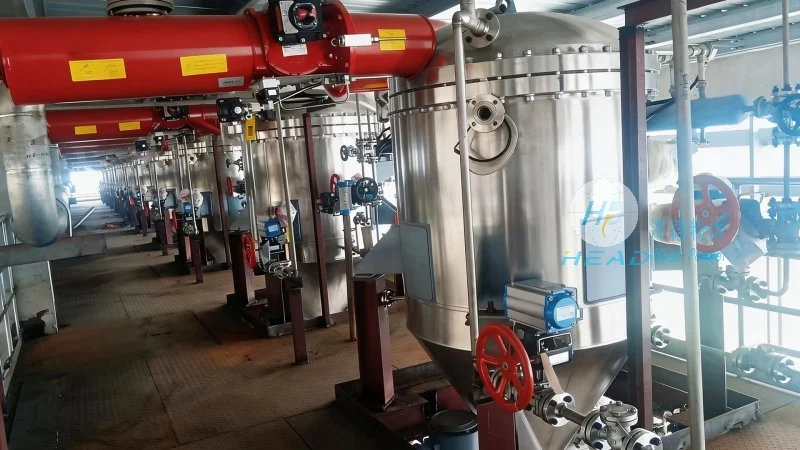
Distinguishing Between the Two Methods
The key differences between positive pressure and negative pressure pigment delivery can be summarized in several aspects. First, the direction of material flow: positive pressure pushes the pigment forward, while negative pressure pulls it. Second, the pressure conditions: positive pressure maintains a higher pressure than the surrounding environment, whereas negative pressure creates a lower pressure. Third, the equipment requirements: positive pressure systems require powerful pumps and robust seals, while negative pressure systems use vacuum pumps and may rely on gravity. Fourth, the application suitability: positive pressure is ideal for thick or viscous pigments and long-distance transport, while negative pressure is better for low-viscosity pigments and shorter distances. Fifth, the operational considerations: positive pressure systems need regular maintenance to prevent pump wear and seal failure, while negative pressure systems need to monitor vacuum levels and prevent air leaks. By evaluating these factors, you can determine which system is best suited for your specific pigment delivery requirements.
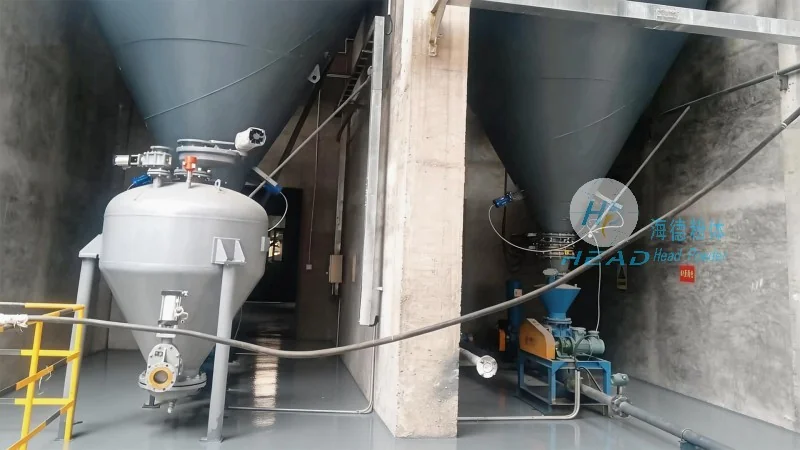
Factors to Consider When Choosing a System
When deciding between positive pressure and negative pressure pigment delivery, several factors should be taken into account. First, the physical properties of the pigment: the viscosity, density, and particle size will influence the choice. For example, high-viscosity pigments like heavy pigments or pastes are better suited for positive pressure systems, while low-viscosity liquids like water-based pigments may work well with negative pressure. Second, the distance and height of the transport: if the processing equipment is significantly higher or lower than the storage container, the choice of system will affect the feasibility. Positive pressure can handle vertical lifts more effectively, while negative pressure may require additional equipment to overcome gravity. Third, the flow rate requirements: high flow rates are typically achieved with positive pressure systems, whereas negative pressure may be limited by the vacuum pump's capacity. Fourth, the energy consumption and operational costs: negative pressure systems generally consume less energy, making them more cost-effective in the long run. Fifth, the maintenance and reliability: positive pressure systems may require more frequent maintenance due to pump wear, while negative pressure systems are simpler but may be more prone to air leaks. By carefully assessing these factors, you can select the most appropriate pigment delivery system for your industrial application.
Conclusion
Choosing between positive pressure and negative pressure pigment delivery is a critical decision that impacts the efficiency, quality, and safety of your industrial processes. Positive pressure systems offer robust and reliable performance for handling challenging pigments, while negative pressure systems provide energy-efficient and simpler solutions for less demanding applications. By understanding the fundamental differences and considering the specific requirements of your operation, you can make an informed choice that optimizes pigment delivery and enhances overall productivity. Whether you opt for positive pressure or negative pressure, the key is to ensure that the system is properly designed, maintained, and integrated into your production workflow. This will help to minimize downtime, reduce material waste, and ensure consistent product quality. Ultimately, the right pigment delivery system will depend on your unique operational needs and the characteristics of the pigments you are working with.