

Fly Ash Transport: Positive Pressure vs. Negative Pressure - How to Differentiate?
Fly ash, a byproduct of coal combustion, is widely used in construction and industrial applications. Efficient and reliable transport of fly ash is crucial for maintaining production efficiency and meeting environmental standards. Two primary methods dominate the industry: positive pressure transport and negative pressure transport. Understanding the differences between these systems is essential for selecting the most suitable solution for specific operational needs.
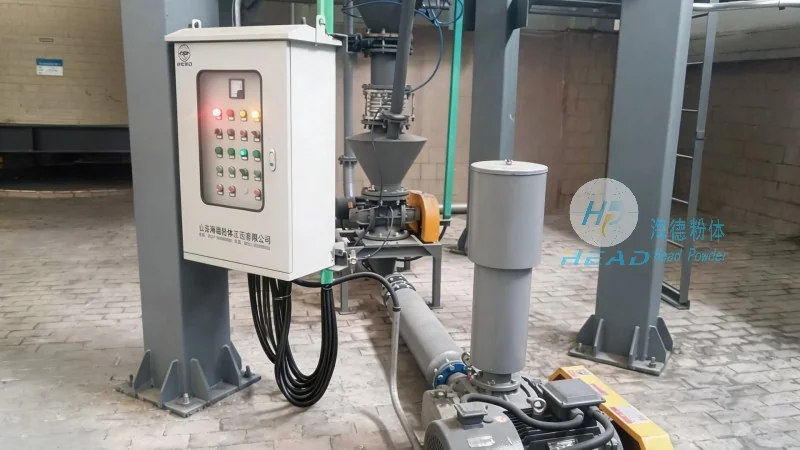
Positive Pressure Transport: Advantages and Applications
Positive pressure transport systems operate by blowing air or gas into the conveying line, creating a pressure higher than the ambient air. This method is often preferred for long-distance or high-capacity transport of fly ash. Key advantages include:
- High transport capacity, making it suitable for large-scale industrial applications.
- Reduced risk of material clogging due to the continuous flow of air.
- Ability to handle abrasive materials without significant wear on equipment.
However, positive pressure systems require robust sealing and can be more energy-intensive. They are typically used in scenarios where the ash is transported from a central plant to multiple distant locations or when the material needs to be conveyed over long distances.
Negative Pressure Transport: Advantages and Applications
Negative pressure transport, also known as suction or vacuum transport, operates by creating a vacuum in the conveying line, drawing the fly ash into the system. This method is often chosen for shorter distances or when the ash needs to be collected from multiple sources and transported to a central processing unit.
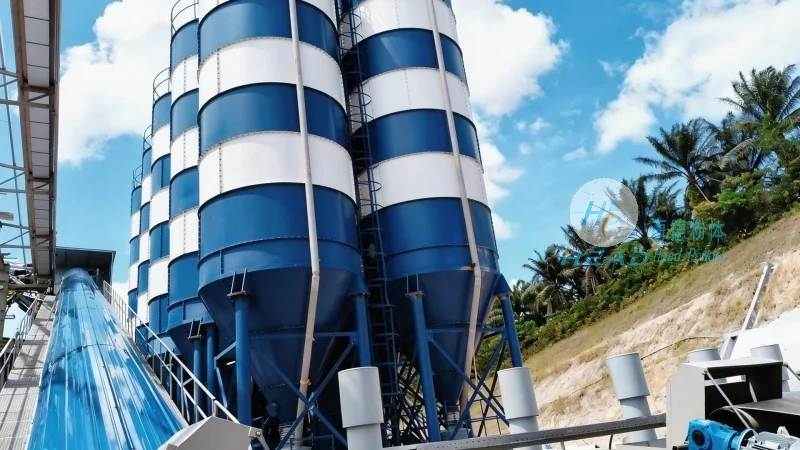
Key advantages of negative pressure systems include:
- Lower energy consumption compared to positive pressure systems, as they rely on suction rather than forced air.
- Reduced noise levels, making them suitable for applications near residential or sensitive areas.
- Flexibility in collecting ash from various points and directing it to a single destination.
Nevertheless, negative pressure systems are more susceptible to clogging and require regular maintenance to prevent material buildup in the suction line. They are generally employed for shorter transport distances or when the ash is collected from multiple dispersed sources.
Distinguishing Between Positive and Negative Pressure Systems
When deciding between positive and negative pressure transport for fly ash, several factors must be considered:
- Transport Distance: Longer distances typically favor positive pressure due to its higher capacity and ability to maintain flow over extended lengths.
- Material Characteristics: Abrasive or high-density fly ash may benefit from positive pressure to prevent clogging and equipment wear.
- Energy Costs: Negative pressure systems are more energy-efficient for shorter distances, making them cost-effective for local transport.
- Environmental Constraints: In areas with strict noise regulations, negative pressure systems may be preferred due to their lower operational noise.
Additionally, the scale of the operation and the number of collection points play a role. Large-scale industrial plants with multiple distant destinations may opt for positive pressure, while smaller facilities with localized collection points might choose negative pressure.
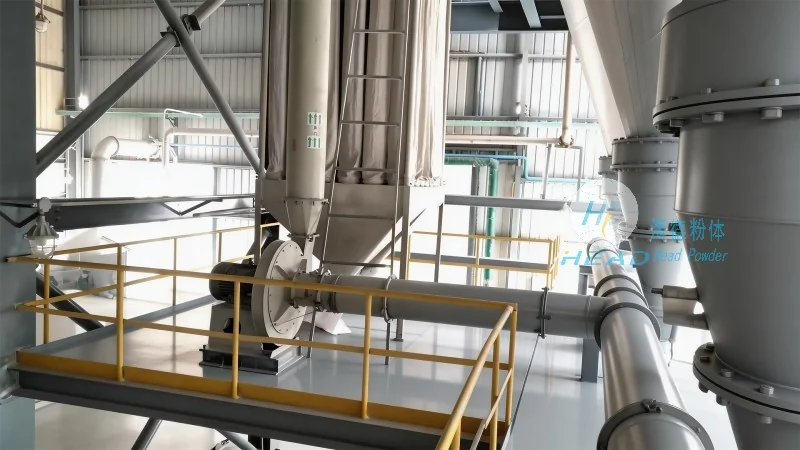
Shandong HeadPowder Engineering Co., Ltd.: Expertise in Fly Ash Transport Solutions
Shandong HeadPowder Engineering Co., Ltd., a leading provider of industrial transport solutions, specializes in designing and implementing customized fly ash transport systems. With years of experience in the industry, the company understands the unique challenges of handling fly ash and offers tailored solutions that meet specific operational requirements.
HeadPowder engineers work closely with clients to assess their needs, including transport distance, material characteristics, and energy efficiency goals. By leveraging advanced technology and robust engineering, the company ensures that both positive and negative pressure systems are optimized for performance and reliability.
The company’s solutions are designed to minimize downtime, reduce maintenance costs, and enhance overall operational efficiency. Whether a client requires a positive pressure system for long-distance transport or a negative pressure system for localized collection, HeadPowder provides comprehensive support from system design to installation and maintenance.