

Tailings Slurry Transport: Choosing Positive Pressure or Negative Pressure? How to Distinguish?
When it comes to transporting tailings slurry, selecting the appropriate method is crucial for ensuring efficiency, safety, and cost-effectiveness. Two primary approaches are widely used: positive pressure transport and negative pressure transport. Understanding the differences between these two systems is essential for making an informed decision. This article will explore the key aspects of both methods and provide guidance on how to distinguish between them, with insights from Shandong HeadPowder Engineering Co., Ltd., a leading provider in the field based in Shandong, China.
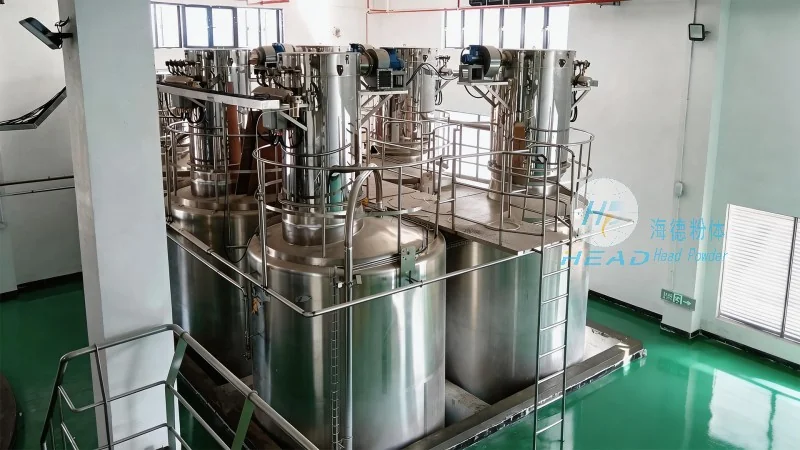
Introduction to Tailings Slurry Transport Methods
Tailings slurry, a byproduct of mining operations, requires specialized transport systems to move it from processing facilities to disposal or storage sites. The choice between positive pressure and negative pressure transport depends on various factors, including the nature of the slurry, distance, infrastructure, and operational requirements. Both methods have their advantages and limitations, and the right selection can significantly impact the overall performance of the mining operation.
Understanding Positive Pressure Transport
Positive pressure transport, also known as pressure-driven systems, operates by forcing the slurry through pipelines using pumps or other pressure-generating equipment. The system maintains a positive pressure throughout the pipeline, preventing air ingress and ensuring consistent flow. This method is commonly used for long-distance transport and in areas where the pipeline layout is complex. The primary components of a positive pressure system include high-pressure pumps, valves, and pressure vessels. The pressure is typically maintained at a level sufficient to overcome friction losses and elevation changes in the pipeline.
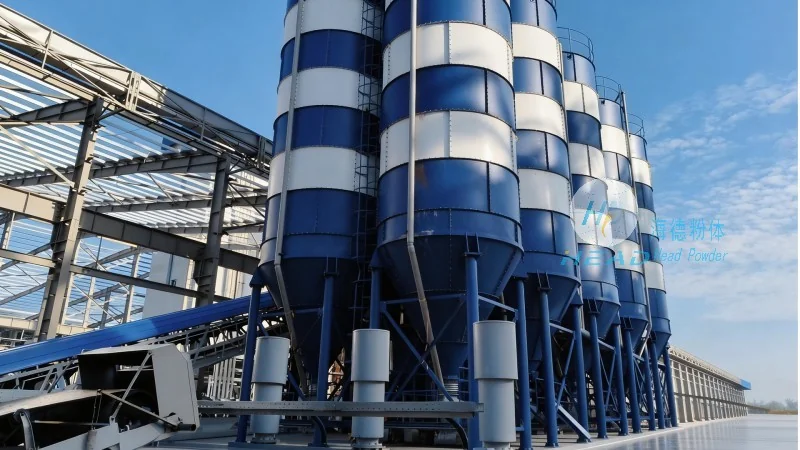
Advantages of positive pressure transport include its ability to handle high concentrations of solids, making it suitable for thick tailings slurries. It also offers better control over flow rates and pressure, which can be critical for maintaining pipeline integrity and preventing blockages. However, this method requires robust equipment and regular maintenance to ensure consistent performance. The initial investment and operational costs can be higher compared to negative pressure systems, especially for large-scale applications.
Understanding Negative Pressure Transport
Negative pressure transport, or vacuum-assisted systems, uses a vacuum to draw the slurry into the pipeline and move it towards the destination. The system creates a pressure differential, with the pipeline pressure being lower than the ambient air pressure, which pulls the slurry along. This method is often employed for shorter distances or when the pipeline is laid in a downhill direction, as the gravity can assist in the transport process. The key components of a negative pressure system include vacuum pumps, airlocks, and pressure regulators.
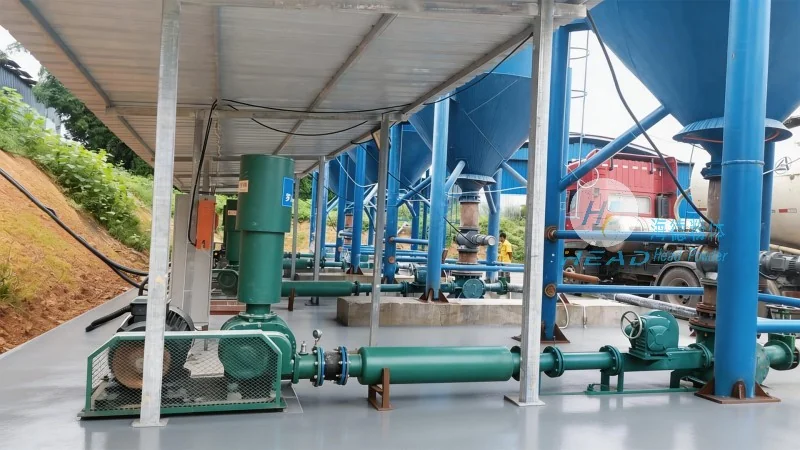
One of the main advantages of negative pressure transport is its lower initial cost and reduced energy consumption compared to positive pressure systems. It is also less complex in terms of equipment, making it easier to install and maintain. However, this method is generally limited to shorter distances and lower slurry concentrations. The risk of air entrainment and pipeline collapse is higher, and the system may not be suitable for thick or abrasive slurries. Additionally, the vacuum level must be carefully managed to ensure efficient transport without excessive energy use.
Distinguishing Between Positive and Negative Pressure Transport
When deciding between positive and negative pressure transport, several factors need to be considered. The first is the distance and elevation changes. Positive pressure systems are better suited for long distances or significant elevation changes, as they can maintain the required pressure. Negative pressure systems are more appropriate for shorter distances or downhill layouts, where gravity aids in the transport.
The second factor is the slurry characteristics. Positive pressure transport is ideal for high-concentration slurries, which require higher pressure to move. Negative pressure systems are more suitable for low to medium concentration slurries, where the vacuum can effectively draw the material. The third consideration is the infrastructure and cost. Positive pressure systems may require more extensive infrastructure and higher maintenance costs, while negative pressure systems offer lower upfront costs and simpler operation.
Another important aspect is the operational flexibility and control. Positive pressure systems provide better control over flow rates and pressure, which is beneficial for maintaining pipeline integrity and preventing blockages. Negative pressure systems, while simpler, may have less control over the flow, making them more susceptible to variations in slurry properties or pipeline conditions.
Conclusion and Recommendations
Choosing between positive pressure and negative pressure transport for tailings slurry depends on a careful evaluation of the specific project requirements. Shandong HeadPowder Engineering Co., Ltd. offers expertise in designing and implementing both types of systems, tailored to the unique needs of each mining operation. By considering factors such as distance, slurry concentration, infrastructure, and operational costs, mining companies can select the most appropriate transport method to optimize their operations and ensure compliance with environmental and safety standards.