

Choosing Between Positive Pressure and Negative Pressure for Glass Powder Conveying: How to Distingu
When it comes to transporting glass powder, selecting the right conveying method is crucial for efficiency, safety, and operational costs. Two primary approaches are widely used: positive pressure conveying and negative pressure conveying. Understanding the differences between these systems is essential for making an informed decision that aligns with your specific production needs. This article will explore the key characteristics of each method and provide guidance on how to choose the most suitable option for your glass powder handling requirements.
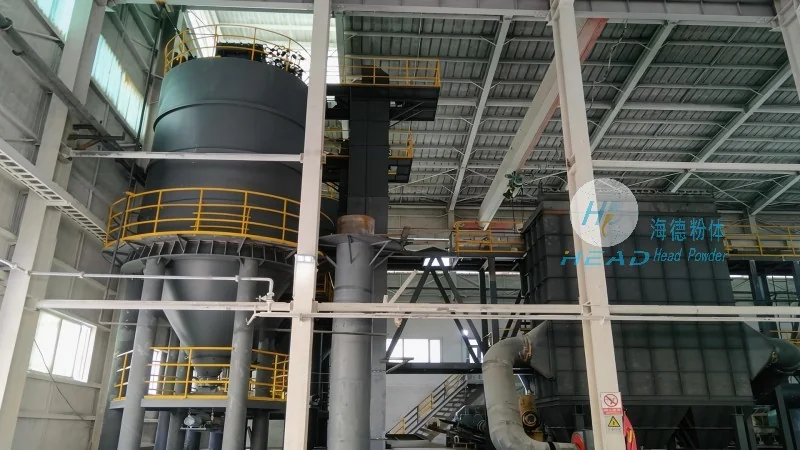
Understanding Positive Pressure Conveying for Glass Powder
Positive pressure conveying, also known as pressure-fed or forced-air conveying, operates by blowing air or a carrier gas into the material to move it through the system. In this method, the conveying line is under positive pressure, meaning the air pressure inside the system is higher than the ambient air pressure. This approach is particularly effective for materials that are difficult to handle, such as fine powders, and is commonly used in industries like pharmaceuticals, food processing, and chemical manufacturing. For glass powder, positive pressure conveying can be advantageous when dealing with high volumes or when the material needs to be transported over long distances without significant pressure drops.
One of the main benefits of positive pressure systems is their ability to handle abrasive or corrosive materials, which is often the case with glass powder. The pressurized air helps to keep the material suspended and prevents it from settling or clogging the lines. Additionally, positive pressure conveying can be more energy-efficient for certain applications, as it may require less power to maintain the pressure compared to negative pressure systems, especially when dealing with large quantities of material.
Understanding Negative Pressure Conveying for Glass Powder
Negative pressure conveying, also known as vacuum or suction conveying, works by creating a vacuum in the system to draw the material into the conveying line. The air pressure inside the system is lower than the ambient air pressure, which pulls the material from the source into the system. This method is often preferred for applications where the material needs to be transported from a source that is difficult to access or where the material is sensitive to pressure changes. For glass powder, negative pressure conveying can be beneficial when dealing with materials that are prone to dust or when the conveying line is located in an enclosed space.
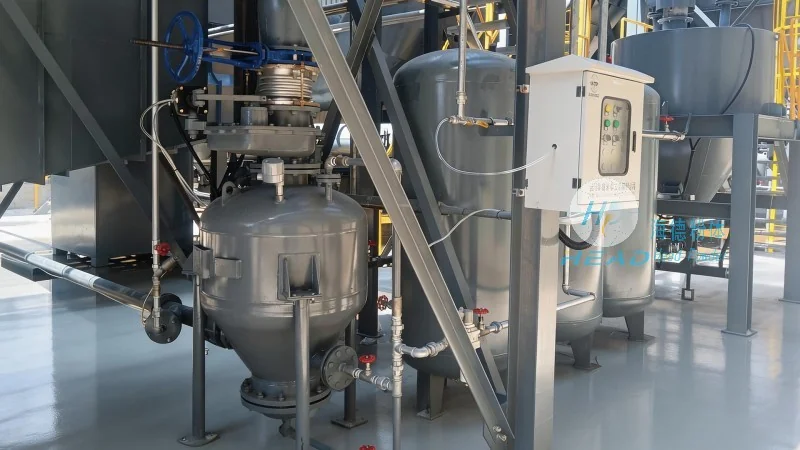
A key advantage of negative pressure systems is their ability to handle materials that are light or have a low bulk density. The vacuum helps to maintain the material's flow and prevents it from being dispersed into the environment. However, negative pressure conveying may require more energy to maintain the vacuum, especially when dealing with long or complex conveying lines. It is also important to note that negative pressure systems can be more prone to clogging if the material contains moisture or other contaminants that can cause the powder to stick to the walls of the conveying line.
Distinguishing Between Positive and Negative Pressure Conveying
When deciding between positive and negative pressure conveying for glass powder, several factors should be considered. The first is the material characteristics: if the glass powder is fine and abrasive, positive pressure may be more suitable due to its ability to handle high volumes and maintain material suspension. Conversely, if the powder is light and prone to dust, negative pressure might be preferred to prevent dispersion. The second factor is the conveying distance and layout: for short distances or simple line configurations, either method can work, but for long or complex systems, positive pressure may offer better performance due to its ability to maintain pressure over longer distances. The third factor is the environmental considerations: if the facility is in a controlled environment or has strict dust control requirements, negative pressure systems may be necessary to prevent contamination. Finally, the operational costs and energy efficiency should be evaluated: positive pressure systems may be more energy-efficient for high-volume applications, while negative pressure systems might be more suitable for low-volume or sensitive materials.
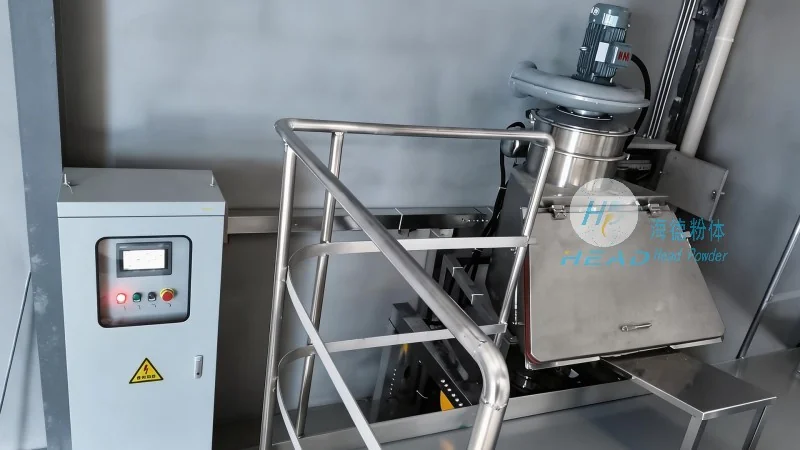
Choosing the Right Conveying System for Your Glass Powder Handling Needs
After evaluating the material properties, conveying requirements, and operational constraints, the next step is to select the appropriate conveying system. For many glass powder applications, a combination of both positive and negative pressure systems may be used in a closed-loop system. For example, a positive pressure system can be used to transport the glass powder from the storage silo to an intermediate hopper, while a negative pressure system can be used to transport the powder from the hopper to the processing equipment. This hybrid approach allows for flexibility and efficiency, as each system is optimized for its specific task.
When selecting a conveying system, it is also important to consider the equipment specifications. Positive pressure systems typically use blowers or compressors to generate the pressure, while negative pressure systems use vacuum pumps. The choice of equipment will depend on the required pressure and flow rate, as well as the material's properties. Additionally, the system should be designed with appropriate filters and dust collection systems to ensure compliance with environmental regulations and to maintain a clean working environment.
Conclusion
Choosing between positive pressure and negative pressure for glass powder conveying is a critical decision that impacts the efficiency and safety of your operations. By understanding the characteristics of each method and considering factors such as material properties, conveying distance, and environmental requirements, you can select the most suitable system for your needs. Whether you opt for a positive pressure system, a negative pressure system, or a hybrid approach, it is essential to work with a reputable supplier like Shandong HeadPowder Engineering Co., Ltd. (headpowder) to ensure that your conveying system is designed and installed correctly. With the right system in place, you can achieve efficient and reliable glass powder transport while minimizing operational costs and ensuring compliance with industry standards.