

Choosing Between Positive Pressure and Negative Pressure for Mineral Sand Conveying: How to Distingu
When it comes to mineral sand conveying, selecting the right system is crucial for efficiency, cost-effectiveness, and operational safety. Two primary methods dominate the industry: positive pressure conveying and negative pressure conveying. Understanding the differences between these two approaches is essential for making an informed decision that aligns with specific project requirements. This article will explore the key distinctions, advantages, and considerations for each method, helping you determine which is best suited for your mineral sand handling needs.
Understanding Positive Pressure Conveying
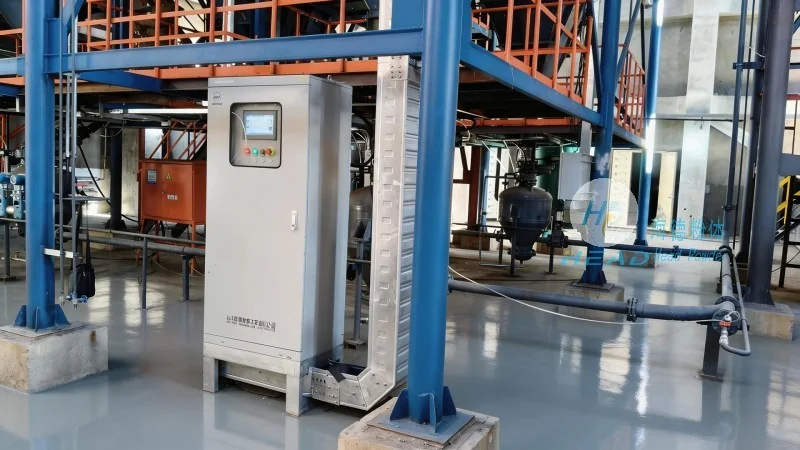
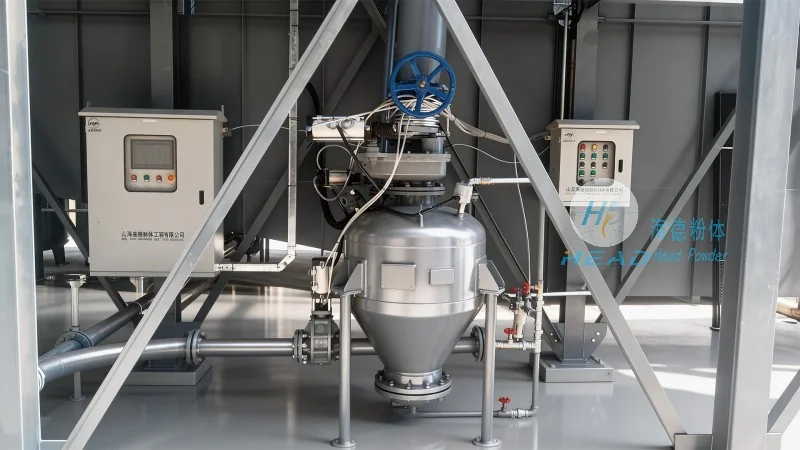
Positive pressure conveying, also known as pressure pneumatic conveying, operates by forcing air and material through a system under pressure. In this method, a blower or compressor generates positive pressure within the pipeline, pushing the material forward. This approach is particularly effective for conveying materials over long distances or through complex layouts, as it can maintain consistent flow rates and handle abrasive or high-density materials without significant wear on components.
For mineral sand applications, positive pressure systems are often preferred when dealing with high-volume, continuous operations. They offer reliable performance and can handle a wide range of particle sizes, from fine powders to larger granules. The primary advantage is the ability to transport materials over extended distances while maintaining the integrity of the material, making it suitable for industrial plants, mining operations, and processing facilities that require consistent material flow.
Understanding Negative Pressure Conveying
Negative pressure conveying, or vacuum pneumatic conveying, works by creating a vacuum in the system to draw material into the pipeline. A vacuum pump or fan pulls air and material from the source, moving it toward the receiver. This method is typically used for shorter distances or when the material needs to be transported from multiple points to a central collection point. Negative pressure systems are often more energy-efficient for shorter runs and can handle fine powders more gently, reducing the risk of material degradation.
In the context of mineral sand, negative pressure conveying is ideal for applications where the material is sourced from multiple locations or needs to be collected from a hopper or storage silo. It is commonly used in processing plants where the sand is being transferred from storage to processing equipment. The key benefit is the ability to collect material from various points without the need for extensive piping modifications, making it a flexible solution for varying operational needs.
Distinguishing Between the Two Methods
The primary difference between positive and negative pressure conveying lies in the direction of air flow and the pressure differential. Positive pressure systems push material through the pipeline using compressed air, while negative pressure systems pull material using a vacuum. This fundamental difference impacts several operational aspects, including energy consumption, material handling capabilities, and system complexity.
Energy consumption is a critical factor when choosing between the two methods. Positive pressure systems generally require more energy due to the need to maintain pressure in the pipeline, especially over long distances. In contrast, negative pressure systems are more energy-efficient for shorter distances, as the vacuum pump only needs to overcome the resistance of the material and pipeline. However, for long-distance conveying, the higher energy costs of positive pressure systems may be justified by the reliability and efficiency they offer.
Material handling capabilities also differ significantly. Positive pressure systems are better suited for abrasive or high-density materials, as the high-pressure air can effectively transport these materials without causing excessive wear on the system components. Negative pressure systems, on the other hand, are more gentle on fine powders and can prevent agglomeration or caking, which is crucial for maintaining the quality of mineral sand. The choice between the two depends on the specific characteristics of the material being conveyed, such as particle size, density, and moisture content.
Key Considerations for Selection
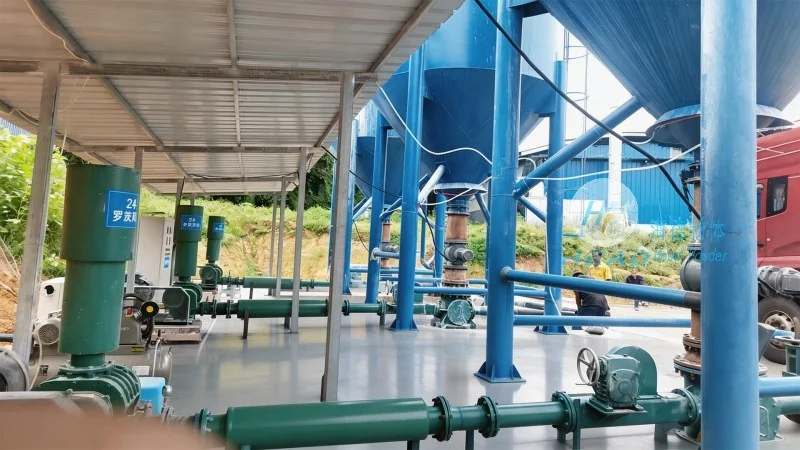
When deciding between positive and negative pressure conveying for mineral sand, several factors should be considered. First, the distance and layout of the conveying system are important. Positive pressure systems are more suitable for long distances or complex layouts, while negative pressure systems are better for shorter runs or when the material needs to be collected from multiple points. Second, the material properties play a significant role. Abrasive or high-density materials may benefit from positive pressure systems, while fine powders may require the gentler approach of negative pressure systems. Third, operational requirements, such as the need for continuous or intermittent operation, also influence the choice. Positive pressure systems are ideal for continuous, high-volume operations, while negative pressure systems can handle intermittent or variable flow rates more effectively.
Another critical consideration is system maintenance and reliability. Positive pressure systems typically have more moving parts, such as blowers and compressors, which may require more frequent maintenance. However, modern positive pressure systems are designed for durability and can offer long-term reliability. Negative pressure systems, while generally simpler, may have higher maintenance needs for vacuum pumps and filters, especially when handling fine powders that can clog the system.
Application Examples
Real-world applications can help illustrate the differences between positive and negative pressure conveying in mineral sand handling. For example, a mining operation in Shandong, China, may use a positive pressure system to transport large quantities of mineral sand from the mine to a processing plant over a distance of several kilometers. The high-pressure air ensures consistent flow and can handle the abrasive nature of the sand, minimizing wear on the pipeline and components. In contrast, a processing plant in the same region might use a negative pressure system to collect fine mineral sand from multiple storage hoppers and transport it to a central silo. The vacuum system allows for gentle handling of the fine particles, preventing agglomeration and maintaining the quality of the sand.
These examples highlight how the choice of conveying method depends on the specific operational context. By understanding the advantages and limitations of each system, companies can select the most appropriate solution for their mineral sand handling needs, ensuring efficiency, cost-effectiveness, and operational safety.