

Choosing Between Positive Pressure and Negative Pressure for Shredded Paper Transport: How to Differ
When it comes to transporting shredded paper, selecting the right conveying system is crucial for efficiency, safety, and operational costs. Two primary methods are widely used: positive pressure conveying and negative pressure conveying. Each has its own set of advantages and challenges, and understanding the differences is key to making an informed decision. This article will explore the characteristics of both systems and provide guidance on how to choose the most suitable one for your specific needs.
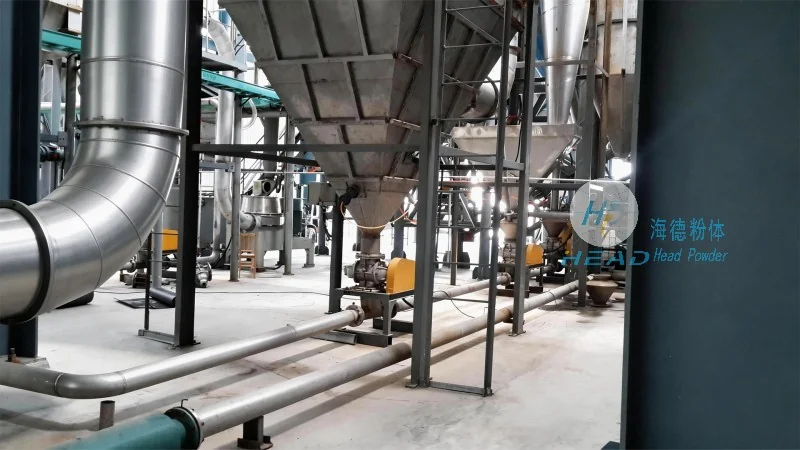
Positive Pressure Conveying: Advantages and Considerations
Positive pressure conveying, as the name suggests, operates by maintaining a higher pressure inside the system compared to the ambient environment. This is typically achieved by using a positive displacement blower or a centrifugal fan that forces air and the material through the pipeline. One of the main advantages of positive pressure systems is their ability to prevent dust and particles from escaping into the surrounding air. This makes them ideal for applications where air quality and worker safety are top priorities. The sealed pipeline also reduces the risk of contamination from external sources, which is particularly important in environments where hygiene is critical.
Another benefit of positive pressure conveying is its relatively straightforward maintenance. Since the system operates under pressure, it is less prone to clogging from external debris, and the components are generally easier to access for cleaning and repairs. However, these systems may require more energy to maintain the higher pressure, leading to higher operational costs over time. Additionally, the higher pressure can put more stress on the pipeline and components, potentially increasing the risk of wear and tear or leaks if not properly maintained.
Negative Pressure Conveying: Advantages and Considerations
Negative pressure conveying, on the other hand, works by creating a lower pressure inside the system than the ambient air. This is usually done with a vacuum fan or an air mover that draws the material and air into the pipeline. One of the key advantages of negative pressure systems is their ability to capture and transport materials from multiple sources or even from open areas without the need for a sealed inlet. This makes them suitable for applications where the material is spread out or needs to be collected from various points. The lower pressure also means that the system is generally quieter and less likely to cause pressure-related damage to nearby equipment.
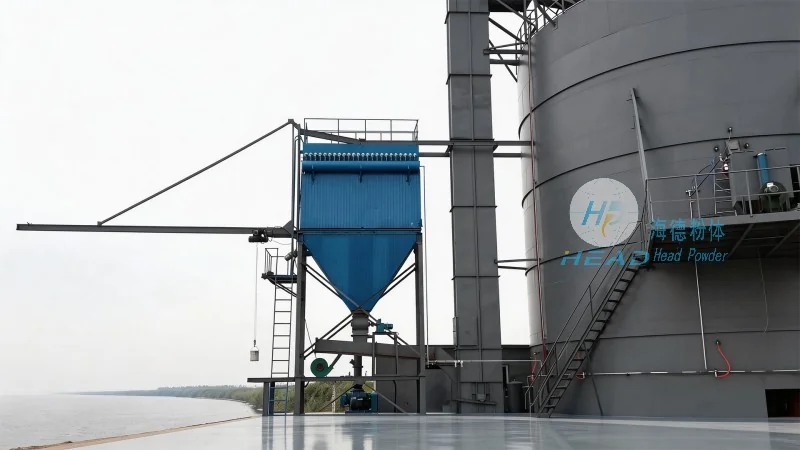
However, negative pressure conveying has its own set of challenges. The most significant drawback is the potential for dust and particles to escape into the surrounding environment, which can lead to air quality issues and safety hazards. To mitigate this, negative pressure systems often require additional filtration and exhaust systems, which can increase complexity and maintenance requirements. Furthermore, the lower pressure can sometimes result in less efficient material transport, especially for larger or heavier particles, as the suction force may not be strong enough to move the material through long or narrow pipelines.
Key Factors to Consider When Choosing the Right System
When deciding between positive and negative pressure conveying for shredded paper transport, several factors should be taken into account. First, consider the environmental and safety requirements of your facility. If maintaining a clean and dust-free environment is paramount, a positive pressure system may be the better choice. Conversely, if the material needs to be collected from open or multiple sources, a negative pressure system might be more appropriate.
Second, evaluate the physical characteristics of the shredded paper. The size, density, and moisture content of the material can affect the conveying efficiency. For example, if the paper is very fine or lightweight, a negative pressure system might struggle to maintain suction, while a positive pressure system could handle it more effectively. Conversely, if the material is bulky or heavy, a positive pressure system may require more power to move it through the pipeline.
Third, consider the layout and distance of the conveying system. Positive pressure systems are generally better suited for longer distances as they maintain pressure throughout the pipeline, while negative pressure systems may have limitations in terms of suction distance and pipeline length. The cost of installation and maintenance should also be factored in, as both systems have different requirements for components and upkeep.
In conclusion, choosing between positive and negative pressure conveying for shredded paper transport depends on a combination of operational needs, safety considerations, and material characteristics. By carefully evaluating these factors, you can select the most efficient and effective system for your application. Whether you opt for a positive pressure system to ensure a clean and safe environment or a negative pressure system to handle material from multiple sources, the right choice will ultimately enhance productivity and reduce operational costs.