

Choosing Between Positive Pressure and Negative Pressure for Calcined Lime Transport: How to Disting
When it comes to transporting calcined lime, selecting the right system is crucial for efficiency, safety, and cost-effectiveness. The choice between positive pressure and negative pressure transport systems is a common decision for industries dealing with this material. This article aims to provide a clear understanding of the differences between these two methods, helping you make an informed decision based on your specific operational needs.
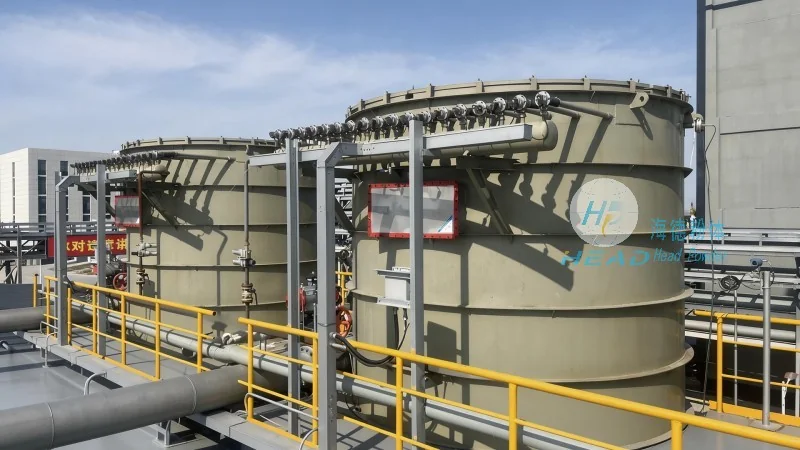
Understanding the Basics: Positive Pressure vs. Negative Pressure
Positive pressure systems operate by blowing material through a sealed pipeline using a blower or fan. The pressure inside the pipeline is higher than the ambient air pressure, which forces the material to move forward. This method is often used for materials that are dusty or have a tendency to settle, as the constant airflow helps keep the material in suspension. In contrast, negative pressure systems draw material into the pipeline using a vacuum or suction fan. The pressure inside the pipeline is lower than the ambient air, creating a suction effect that pulls the material through. Negative pressure systems are typically used for materials that are less likely to cause dust or are less abrasive.
Key Differences in Operation and Design
From an operational perspective, positive pressure systems require more energy to maintain the pressure, as they need to overcome the resistance of the pipeline and any obstacles. This can lead to higher energy costs over time. However, they are generally more reliable for transporting materials that are prone to clogging or settling. Negative pressure systems, on the other hand, are often more energy-efficient for shorter distances or less resistant materials. They may require more frequent maintenance to prevent dust accumulation and ensure the vacuum is maintained effectively.
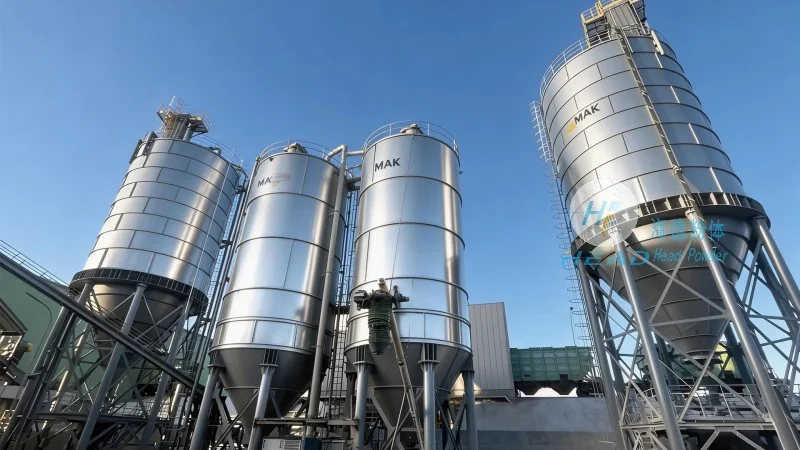
Factors to Consider When Choosing a System
Several factors should be considered when deciding between positive and negative pressure for calcined lime transport. The first is the material's properties, such as its dustiness, moisture content, and particle size. Calcined lime, being a fine powder, can be quite dusty and may settle easily, making positive pressure systems a better fit in many cases. The second factor is the distance and layout of the transport route. Longer distances or complex layouts may benefit from positive pressure systems due to their ability to maintain flow without frequent interruptions. The third factor is the need for containment and safety. Positive pressure systems are generally easier to contain, as the sealed pipeline prevents dust from escaping into the environment. Negative pressure systems, while effective for suction, may require additional measures to prevent dust from entering the system or the environment.
Performance and Efficiency Comparison
Performance-wise, positive pressure systems typically offer higher flow rates and are less susceptible to clogs caused by material settling. This can result in more consistent and reliable material delivery. Negative pressure systems, while efficient for certain applications, may experience lower flow rates and are more prone to clogging, especially with fine powders like calcined lime. The efficiency of each system also depends on the specific equipment used, such as the type of blower or fan, and the design of the pipeline. Proper sizing and maintenance are critical to ensure optimal performance.
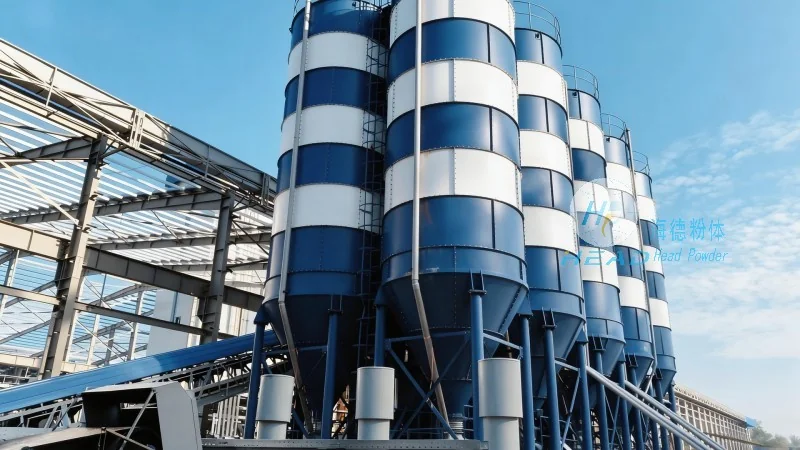
Applications and Industry Use Cases
Positive pressure systems are commonly used in industries where calcined lime is transported over longer distances or through complex networks, such as in cement production, chemical processing, or large-scale agricultural applications. They are also preferred in environments where dust control is a priority, as the sealed system prevents dust from escaping. Negative pressure systems are often used in smaller-scale operations or for shorter transport distances, where the material is less likely to cause issues with dust or clogging. For example, in small-scale lime processing plants or for transporting lime to nearby storage facilities, a negative pressure system may be sufficient.
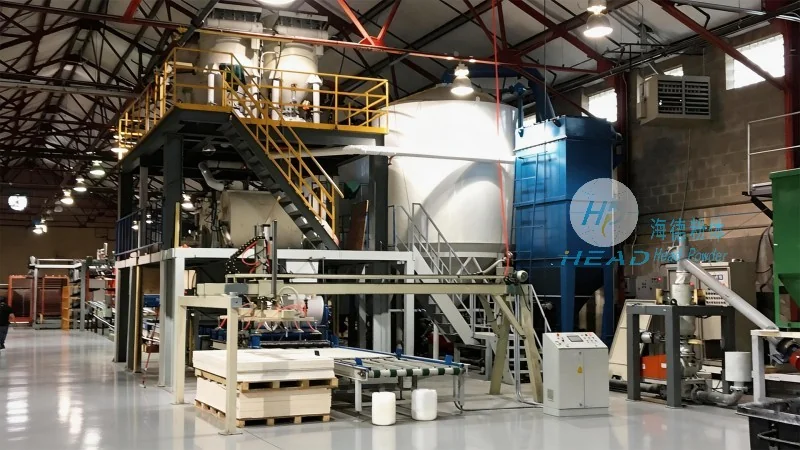
Maintenance and Long-Term Costs
Maintenance requirements and long-term costs are important considerations when choosing between positive and negative pressure systems. Positive pressure systems may require more frequent maintenance of the blower and pipeline, as the constant airflow can lead to wear and tear. However, the cost of maintenance is often offset by the reliability and efficiency of the system. Negative pressure systems may require more frequent cleaning of the suction fan and pipeline to prevent dust buildup, which can increase maintenance costs over time. The initial investment for a positive pressure system is typically higher due to the need for a blower and sealed pipeline, but the long-term operational costs may be lower compared to negative pressure systems, especially for larger operations.
Conclusion: Making the Right Choice for Your Operation
Choosing between positive pressure and negative pressure for calcined lime transport requires a careful evaluation of your specific needs and operational conditions. Positive pressure systems offer advantages in terms of reliability, flow rate, and dust containment, making them suitable for many applications. Negative pressure systems, while efficient for certain scenarios, may be less reliable and more prone to maintenance issues. By considering factors such as material properties, transport distance, and safety requirements, you can select the system that best meets your operational goals. Whether you opt for positive or negative pressure, ensuring proper design, maintenance, and operation will help maximize the efficiency and longevity of your calcined lime transport system.