

What is Powder and Grain Pneumatic Conveying? Classification and Applications of Pneumatic Conveying
Understanding the fundamentals of powder and grain pneumatic conveying is crucial for industries that handle bulk materials efficiently. This article explores the core concepts, types, and practical applications of pneumatic conveying systems, providing insights into how these technologies enhance material handling processes.
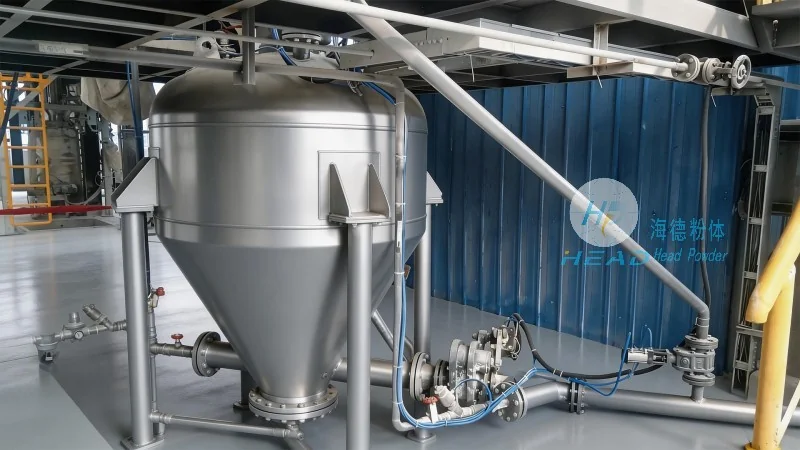
Introduction to Pneumatic Conveying
Pneumatic conveying, also known as powder and grain pneumatic conveying, is a method of transporting bulk materials through a pipeline using air or gas as the conveying medium. Unlike traditional mechanical systems like conveyors or elevators, pneumatic systems rely on the flow of air to move materials, offering advantages such as flexibility, cleanliness, and the ability to handle a wide range of materials, including fine powders, granules, and even bulk solids. The technology has evolved significantly over the years, adapting to various industrial needs and material characteristics.
Types of Pneumatic Conveying Systems
There are primarily two main categories of pneumatic conveying systems: suction (or aspirating) systems and pressure (or blow) systems. Each type operates on different principles and is suitable for specific applications based on material properties, distance, and system requirements.
Suction (Aspirating) Pneumatic Conveying
Suction systems operate by creating a negative pressure (vacuum) at the material intake point. This vacuum draws the material into the pipeline along with the air. The system typically uses a fan or blower to create the vacuum and move the material from the source to the destination. Suction systems are ideal for applications where the material is to be collected from a source, such as a hopper or storage bin, and transported to a processing unit. They are commonly used in industries like food processing, pharmaceuticals, and chemical manufacturing, where dust control and material cleanliness are critical.
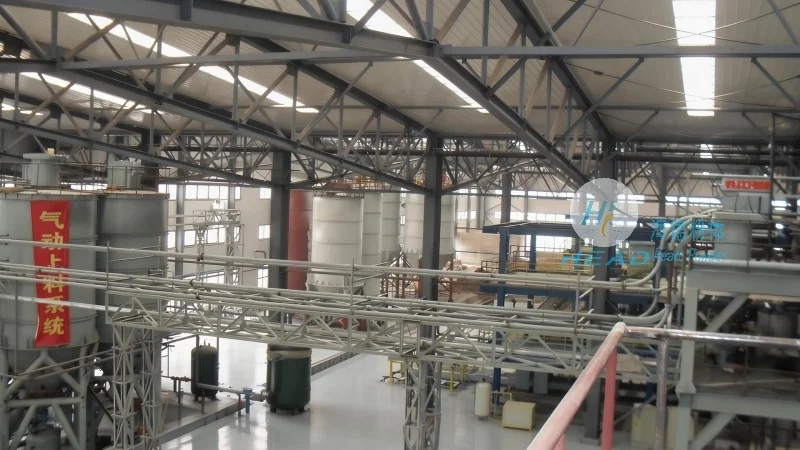
Pressure (Blow) Pneumatic Conveying
Pressure systems, on the other hand, operate by creating positive pressure at the material intake point. A blower or compressor forces air into the pipeline, pushing the material forward. These systems are suitable for applications requiring higher material flow rates and longer distances. Pressure systems are often used in industries such as mining, cement production, and agricultural processing, where large volumes of bulk materials need to be transported efficiently.
Mixed-Mode Pneumatic Conveying
Some systems combine elements of both suction and pressure modes, known as mixed-mode or hybrid systems. These systems use a combination of vacuum and pressure to optimize material transport. For instance, a mixed-mode system might use suction to draw material from a source and then use pressure to transport it over longer distances or to multiple destinations. This approach offers flexibility and can handle more complex material handling scenarios, making it suitable for diverse industrial applications.
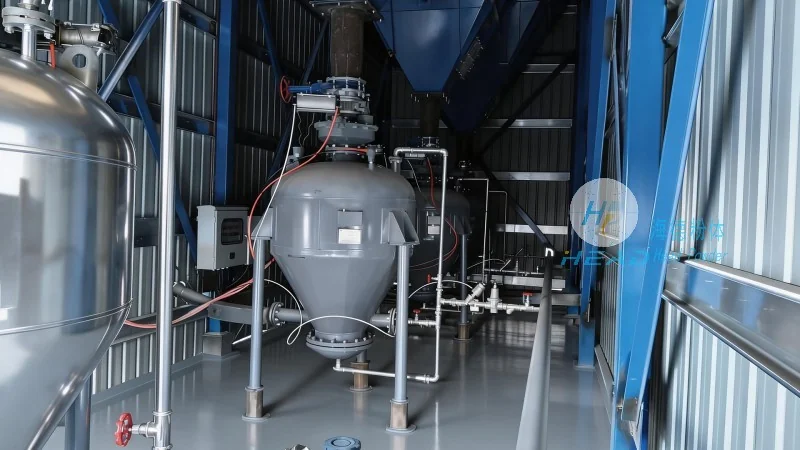
Applications of Pneumatic Conveying
Pneumatic conveying systems find extensive applications across various industries due to their versatility and efficiency. In the food and beverage industry, they are used for transporting ingredients like flour, sugar, and spices, ensuring minimal contamination and maintaining product quality. In the pharmaceutical industry, pneumatic systems are employed to handle sensitive powders and granules, adhering to strict hygiene and safety standards. The chemical industry utilizes these systems for transporting raw materials and finished products, while the mining and cement sectors rely on them for bulk material transport in large-scale operations.
Advantages of Pneumatic Conveying
Compared to traditional mechanical conveying methods, pneumatic systems offer several advantages. These include reduced labor costs, as automated systems can handle material transport without manual intervention. They also minimize material degradation and contamination, which is critical for industries dealing with sensitive products. Additionally, pneumatic systems are flexible and can be easily integrated into existing production lines, allowing for modifications and expansions as needed. The technology also provides better control over material flow rates and can handle materials with varying properties, such as moisture content and particle size.
Considerations for Pneumatic Conveying Systems
While pneumatic conveying offers numerous benefits, there are also considerations to keep in mind when selecting a system. The choice of system type (suction, pressure, or mixed) depends on factors such as material characteristics, distance, and system layout. For example, suction systems are better suited for short distances and materials that are easily drawn into the pipeline, whereas pressure systems are more effective for longer distances and larger material volumes. The design of the system, including the size of the pipeline, the type of fan or blower, and the material of construction, also plays a crucial role in ensuring efficient and reliable operation.