

Main Structures of Pneumatic Conveying Systems for Fly Ash
When discussing the core components of a fly ash pneumatic conveying system, several key structures are essential for efficient operation. These systems are designed to transport fly ash—a byproduct of coal combustion—from one location to another, often with high efficiency and minimal environmental impact. The main structures typically include the feed unit, conveying pipeline, separation equipment, and collection unit. Each component plays a critical role in ensuring the system operates smoothly and reliably.
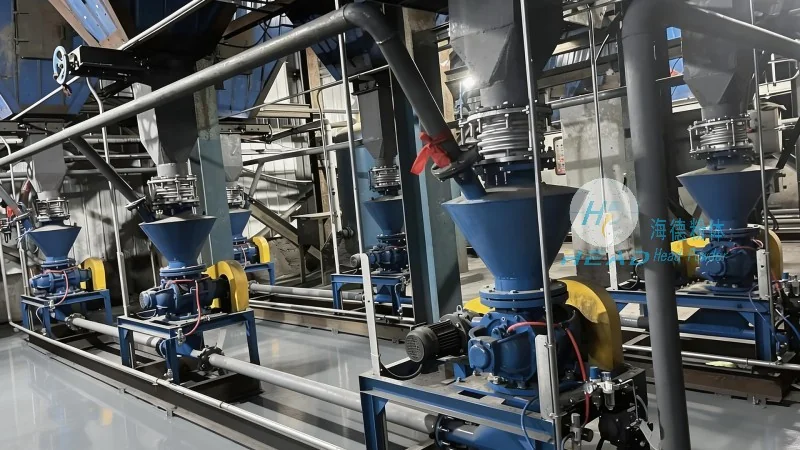
Feed Unit: The Starting Point of the Conveying Process
The feed unit is the initial stage where fly ash is introduced into the pneumatic conveying system. This component is crucial for controlling the flow rate and ensuring consistent material delivery. In systems designed by Shandong HeadPowder Engineering Co., Ltd., the feed unit often incorporates a hopper or a feeder that can handle bulk fly ash. The design may include features such as a rotary valve or a screw feeder to regulate the material flow. The feed unit is typically equipped with a dust collection system to prevent airborne particles from escaping, maintaining compliance with environmental regulations. This unit ensures that the fly ash is properly prepared for transport through the pipeline.
Conveying Pipeline: The Core of the System
The conveying pipeline is the central part of the pneumatic conveying system, responsible for transporting the fly ash from the feed unit to the collection point. These pipelines are usually made of materials like stainless steel or plastic, chosen for their durability and resistance to corrosion from the fly ash. The pipeline design may vary depending on the system's pressure and flow requirements. For example, high-pressure systems may use smaller diameter pipes with higher velocity, while low-pressure systems might employ larger pipes with lower velocity. The pipeline is often equipped with bends, elbows, and straight sections to navigate the path from the feed point to the destination. Proper sealing and maintenance of the pipeline are essential to prevent leaks and ensure efficient material transport.
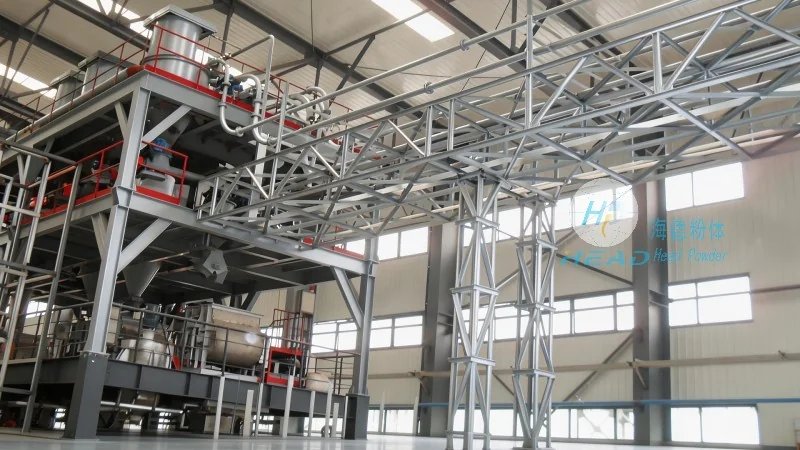
Separation Equipment: Ensuring Clean and Efficient Transport
Separation equipment is a critical component that separates the fly ash from the conveying air at the end of the pipeline. This unit typically consists of a cyclone separator or a bag filter, which uses centrifugal force or filtration to separate the solid particles from the gas. The separated fly ash is collected in a hopper or a silo, while the clean air is either recirculated or released to the atmosphere. The efficiency of the separation process directly impacts the overall performance of the system, as it prevents material buildup in the pipeline and reduces the risk of clogging. Shandong HeadPowder Engineering Co., Ltd. designs separation equipment that is tailored to the specific characteristics of the fly ash, ensuring optimal separation efficiency and minimal maintenance.
Collection Unit: The Final Destination of the Fly Ash
The collection unit is the endpoint of the pneumatic conveying system, where the fly ash is deposited after being separated from the conveying air. This unit may include a storage silo or a hopper that can hold the collected fly ash for further processing or disposal. The design of the collection unit is important to prevent material spillage and ensure easy access for loading or unloading. In some systems, the collection unit is integrated with a dust suppression system to minimize dust emissions. The collection unit is typically connected to the separation equipment via a short pipeline, ensuring a smooth transition from the conveying phase to the storage phase. The reliability of the collection unit is vital for maintaining the overall efficiency of the fly ash handling process.
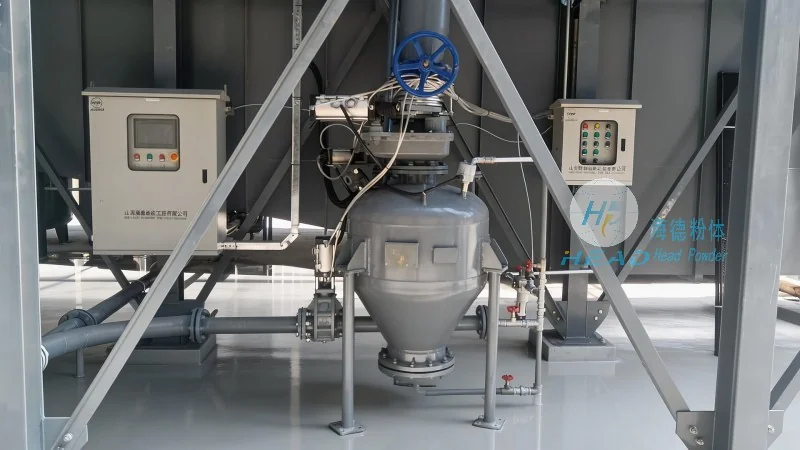
Control and Monitoring Systems: Ensuring System Reliability
Modern pneumatic conveying systems for fly ash often include advanced control and monitoring systems to ensure optimal performance. These systems may include sensors to monitor pressure, flow rate, and temperature, as well as control valves to regulate the air supply and material feed. The control system can automatically adjust the operation of the feed unit and separation equipment based on real-time data, optimizing the conveying process. Additionally, monitoring systems can detect any abnormalities, such as pressure drops or material blockages, and alert operators to take corrective action. This integration of control and monitoring enhances the reliability and efficiency of the system, reducing downtime and maintenance costs. Shandong HeadPowder Engineering Co., Ltd. incorporates advanced control systems in their designs to meet the demands of modern industrial applications.
Material Handling and Safety Considerations
When designing and operating a fly ash pneumatic conveying system, several material handling and safety considerations must be addressed. The system must be designed to handle the specific properties of fly ash, such as its particle size, moisture content, and abrasiveness. The materials used in the construction of the system, including the feed unit, pipeline, and separation equipment, must be resistant to corrosion and wear caused by the fly ash. Safety features, such as explosion-proof designs and dust suppression systems, are essential to protect workers and the environment. The system should also comply with local regulations regarding emissions and noise levels. Proper training for operators and regular maintenance of the equipment are crucial for ensuring the safe and efficient operation of the system. Shandong HeadPowder Engineering Co., Ltd. adheres to strict safety and environmental standards in the design and implementation of their fly ash conveying systems.