

[Maintain the original title translation as requested, then output the HTML content as follows:]
Paint pneumatic conveying systems are critical for efficient and safe material handling in industrial settings. These systems utilize air pressure to transport paint powders or liquids, offering advantages such as reduced dust exposure and improved process control. The main structures of such systems are designed to ensure optimal performance and reliability, catering to the unique requirements of paint production and application.
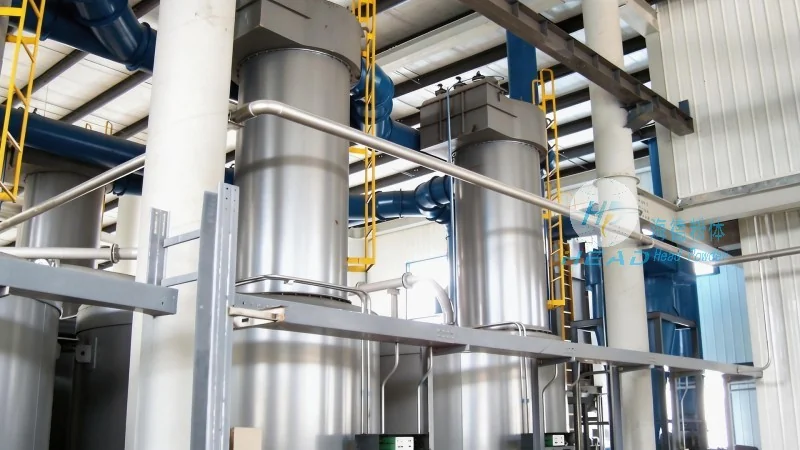
Key Components of Paint Pneumatic Conveying Systems
The core structures of a paint pneumatic conveying system typically include several essential components. The first is the conveying pipeline, which is responsible for transporting the paint material from the source to the destination. This pipeline is often made of materials like stainless steel or plastic, chosen for their resistance to corrosion and compatibility with paint chemicals. The design of the pipeline, including its diameter and length, is critical to maintaining consistent air flow and preventing material degradation.
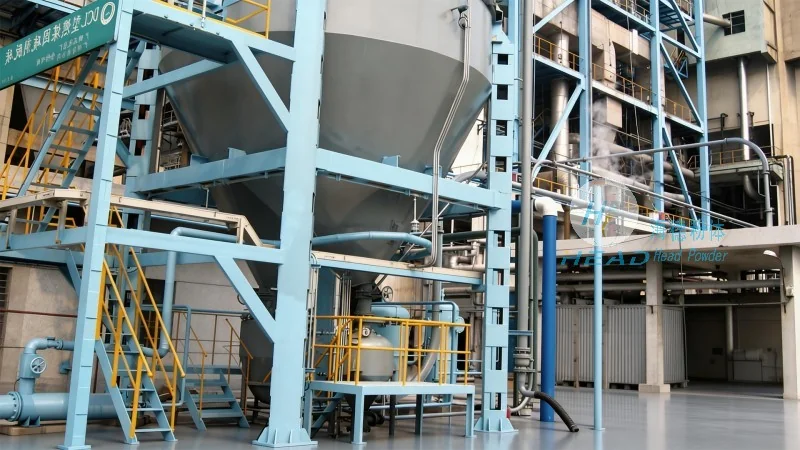
Another crucial structure is the air supply and pressure system. This component generates the necessary air pressure to move the paint particles through the pipeline. It may include a blower, compressor, or other air-moving equipment, along with pressure regulators to maintain stable pressure levels. The efficiency of this system directly impacts the overall performance of the conveying process, as insufficient pressure can lead to blockages or reduced throughput.
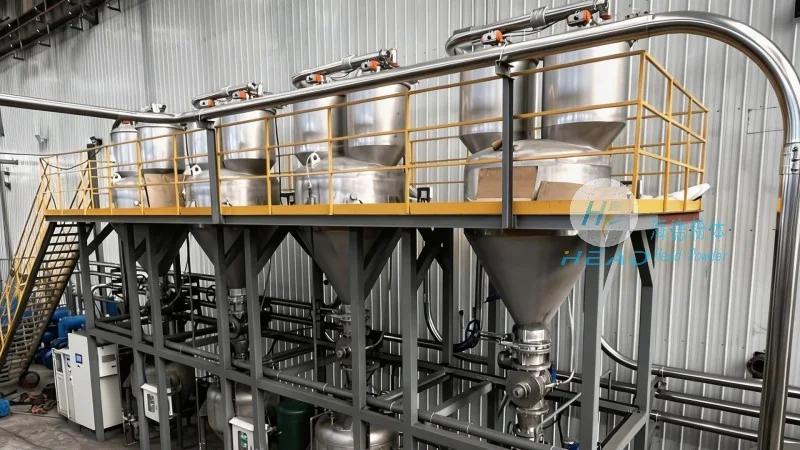
Separation and Collection Units
For systems handling dry paint powders, a separation and collection unit is essential. This structure separates the paint particles from the air stream and collects them in a designated container. Common separation methods include cyclone separators, bag filters, or electrostatic precipitators. The design of this unit must ensure high efficiency in capturing fine particles, minimizing dust emissions and maintaining product quality. The collection container is typically equipped with a discharge mechanism to facilitate the removal of the paint material.
Control and Monitoring Systems
Modern paint pneumatic conveying systems incorporate advanced control and monitoring structures to enhance operational efficiency and safety. These systems may include sensors for pressure, flow rate, and temperature, as well as control panels with digital interfaces. The control system allows operators to adjust parameters such as air pressure and flow rate in real-time, ensuring optimal performance under varying conditions. Additionally, monitoring systems provide alerts for any abnormalities, such as blockages or pressure drops, enabling timely maintenance and preventing system downtime.
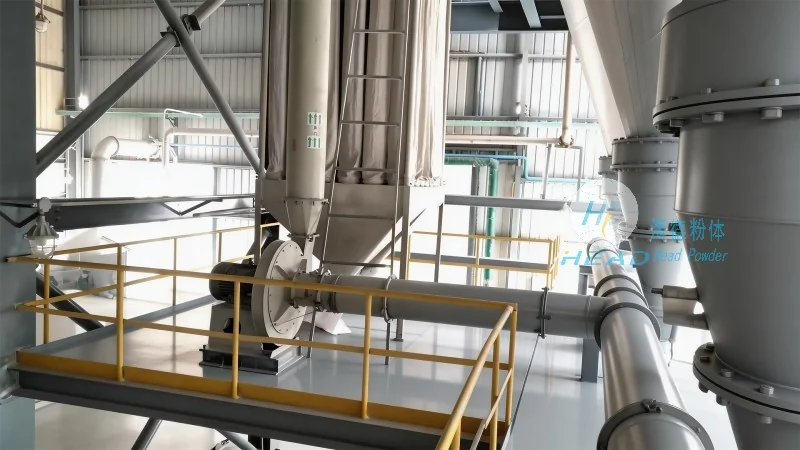
Company Overview: Shandong HeadPowder Engineering Co., Ltd.
Shandong HeadPowder Engineering Co., Ltd., commonly known as HeadPowder, is a leading provider of specialized engineering solutions for material handling systems. With a focus on industrial applications, the company designs and manufactures high-quality paint pneumatic conveying systems tailored to the needs of the paint industry. HeadPowder's expertise lies in integrating advanced technologies and robust structures to deliver reliable and efficient solutions for its clients. The company's headquarters is located in Shandong, China, where it operates a state-of-the-art manufacturing facility and research center.