

What Are the Main Pneumatic Conveying Structures for Gravel?
When it comes to efficiently transporting gravel and similar bulk materials, understanding the core pneumatic conveying structures is essential for optimizing material handling processes. These systems play a crucial role in industries ranging from construction to mining, ensuring that materials are moved safely and effectively from one location to another. The primary structures of pneumatic conveying for gravel typically include several key components designed to handle the specific characteristics of such materials.
Basic Components of Pneumatic Conveying Systems
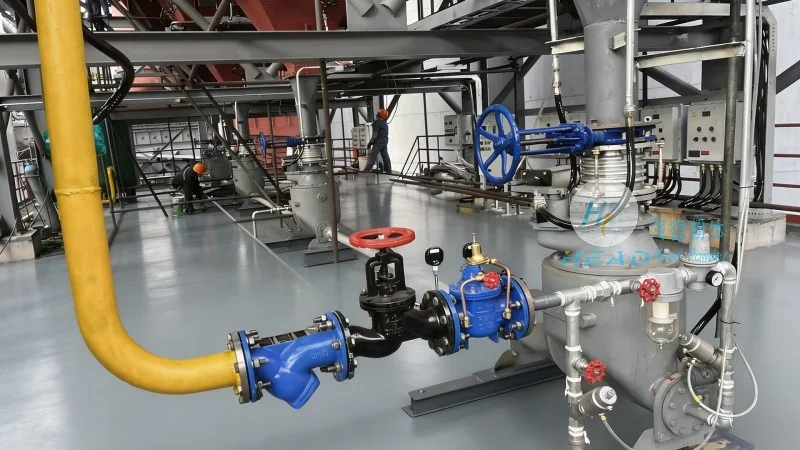
At the heart of any pneumatic conveying system for gravel lies a series of fundamental components that work in tandem to achieve efficient material transport. The first critical element is the material hopper, which serves as the storage and feeding unit. This hopper is designed to hold the gravel and provide a controlled discharge into the conveying line. The design of the hopper, including features like aeration plates or vibratory feeders, is crucial for preventing material bridging and ensuring a consistent flow of gravel into the system. The material hopper is often equipped with a rotary valve or a feeder mechanism that regulates the flow rate, preventing overloading or underflow that could disrupt the conveying process.
Next in the system is the conveying line, which can be either a positive pressure or negative pressure system. Positive pressure systems use a blower or compressor to force air and material through the pipeline, while negative pressure systems use a vacuum to draw material from the hopper. For gravel, which can be abrasive and heavy, the choice of pipeline material is vital. Typically, stainless steel or high-density polyethylene (HDPE) pipes are used to withstand the wear and tear from the gravel particles. The pipeline may also include bends, elbows, or expansion joints to accommodate changes in direction or elevation, ensuring the smooth flow of material without excessive pressure loss.
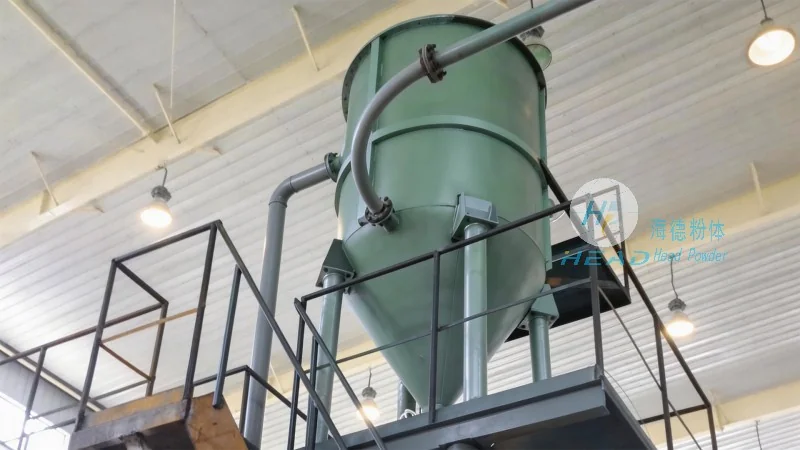
A key component in both pressure and vacuum systems is the air separator or cyclone separator. This device is responsible for separating the gravel from the air stream, allowing the material to be deposited at the destination and the air to be recycled or vented. The separator works by using centrifugal force to separate the heavier gravel particles from the lighter air, with the gravel falling to the bottom and the air exiting through a top outlet. The design of the separator, including its size and number of stages, is critical for achieving high separation efficiency, especially when dealing with fine or dusty gravel particles.
Types of Pneumatic Conveying Structures
There are several main types of pneumatic conveying structures commonly used for gravel, each with its own advantages and applications. The most common is the positive pressure system, which is ideal for short to medium distances and when the material needs to be transported from a single source to multiple destinations. This system uses a blower to create positive pressure in the pipeline, pushing the gravel and air mixture through the line. The positive pressure system is particularly effective for handling abrasive materials like gravel, as it reduces the risk of material buildup and ensures consistent flow.
Another type is the negative pressure (or vacuum) system, which is well-suited for long-distance transport or when the material needs to be collected from multiple points and transported to a single location. This system uses a vacuum pump to create a negative pressure in the pipeline, drawing the gravel and air mixture from the source. The vacuum system is often more energy-efficient for long distances but may require more maintenance due to the higher air flow rates and potential for dust accumulation.
A third type is the combined or dual system, which uses both positive and negative pressure components to optimize material transport. This system can handle both short and long distances, allowing for flexibility in the conveying process. The combined system typically includes a positive pressure section for the initial transport and a negative pressure section for the final delivery, ensuring efficient and cost-effective material handling.
Key Considerations for Design and Installation
When designing and installing a pneumatic conveying structure for gravel, several factors must be carefully considered to ensure optimal performance and longevity. First, the material characteristics of the gravel, such as its size, density, and abrasiveness, play a significant role in system design. Larger or more abrasive particles may require thicker pipeline walls or specialized wear-resistant coatings to prevent damage over time. The flow rate and capacity of the system must also be matched to the specific requirements of the application, ensuring that the conveying line can handle the expected volume of gravel without excessive pressure loss or material degradation.
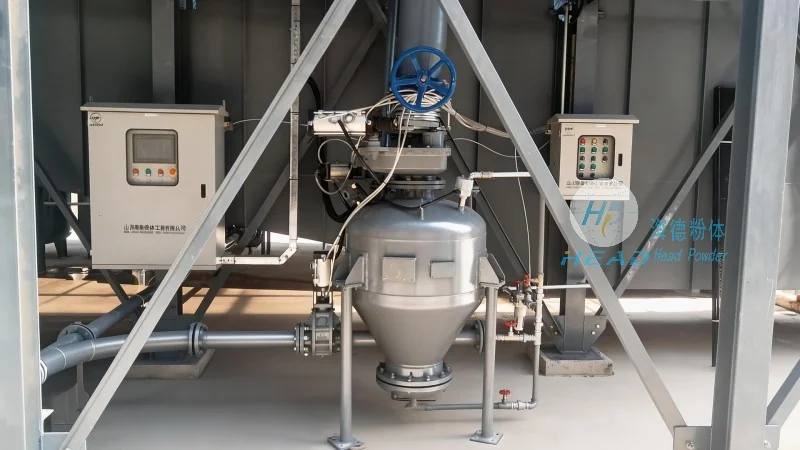
Second, the system layout and distance are critical factors. The length of the conveying line and the number of bends or changes in elevation will affect the overall pressure requirements and energy consumption. Proper planning of the system layout, including the placement of hoppers, separators, and delivery points, is essential to minimize pressure losses and ensure smooth material flow. Additionally, the choice of components, such as the type of blower or vacuum pump, must be based on the specific needs of the application, balancing efficiency with cost-effectiveness.
Third, maintenance and operational considerations are vital for the long-term performance of the pneumatic conveying system. Regular maintenance, including cleaning of the air separator, checking for wear on the pipeline, and inspecting the feeder mechanisms, is necessary to prevent system failures and ensure consistent operation. The system should also be equipped with monitoring devices, such as pressure gauges or flow meters, to allow for real-time adjustments and troubleshooting. Proper training of operators on the system's operation and maintenance is also essential to maximize the system's lifespan and efficiency.
Conclusion
In conclusion, the main pneumatic conveying structures for gravel consist of several key components and system types designed to efficiently transport bulk materials. Understanding the basic components, such as the material hopper, conveying line, and air separator, as well as the different types of systems, including positive and negative pressure, is crucial for selecting the right solution for specific applications. Careful consideration of material characteristics, system layout, and maintenance requirements is essential to ensure optimal performance and longevity of the pneumatic conveying system. By leveraging the expertise of companies like Shandong HeadPowder Engineering Co., Ltd., based in China, industries can implement effective and reliable pneumatic conveying solutions for their gravel handling needs.