

Main Air-Pneumatic Conveying Structures for Slag
Slag, a byproduct of steelmaking and other industrial processes, requires efficient and reliable transportation systems to ensure smooth material handling. Air-pneumatic conveying systems have emerged as a preferred method for transporting slag due to their ability to handle abrasive materials while minimizing wear and tear on equipment. The primary structures used in air-pneumatic slag conveyance include several key components that work together to achieve effective material transport.
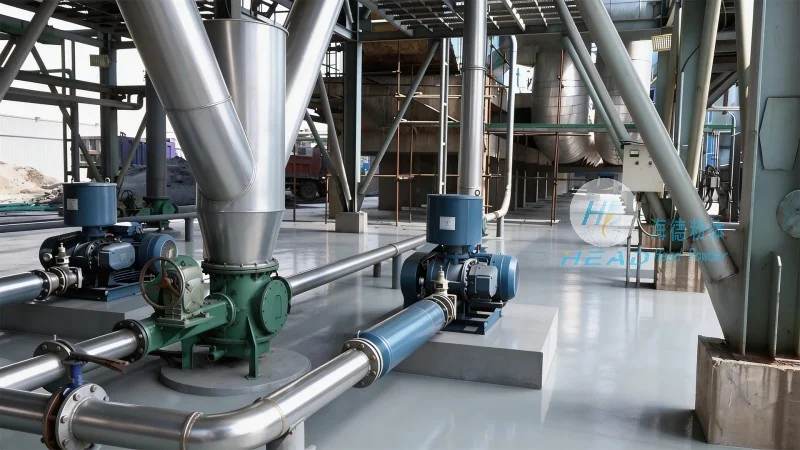
Key Components of Air-Pneumatic Slag Conveying Systems
At the core of any air-pneumatic slag conveying system are several essential components that ensure the efficient movement of slag from the source to the destination. These components are designed to handle the unique challenges posed by slag, such as its abrasive nature and varying particle sizes. The main components typically include:
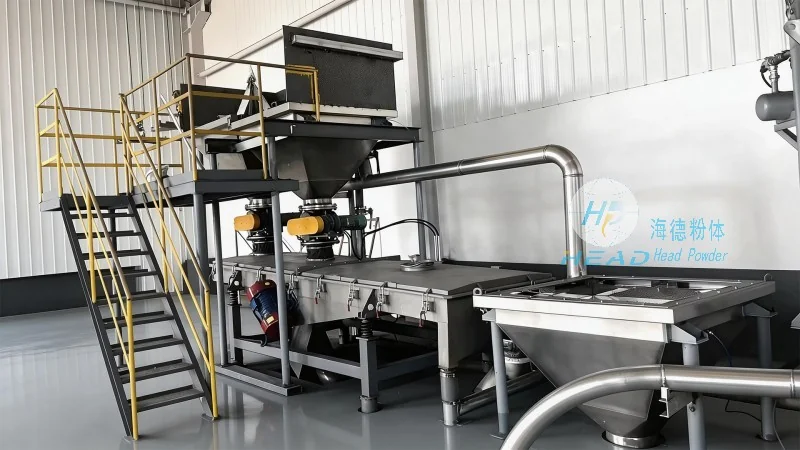
- Feeder: The feeder is responsible for controlling the flow of slag into the conveying line. It ensures a consistent and controlled feed rate, preventing blockages and maintaining system efficiency. Different types of feeders, such as rotary valves or screw feeders, are used depending on the specific characteristics of the slag and the system requirements.
- Pneumatic Conveying Line: This is the main transport channel where compressed air or gas is used to move the slag particles. The line can be either positive or negative pressure, depending on the application. Positive pressure systems use air to push the material, while negative pressure systems use suction to draw the material. The choice of pressure type depends on factors like the distance to be covered, the material's properties, and the system's overall design.
- Separation and Collection Equipment: After the slag reaches its destination, it needs to be separated from the air and collected. This is typically done using cyclones or filters. Cyclones use centrifugal force to separate the slag particles from the air stream, while filters may be used for finer particles or to capture dust. Proper separation is crucial to maintain system efficiency and prevent material loss.
- Control and Monitoring Systems: Modern air-pneumatic systems are equipped with advanced control and monitoring systems to ensure optimal performance. These systems may include sensors to monitor pressure, flow rate, and temperature, as well as control valves to adjust the air flow as needed. This allows for real-time adjustments and helps maintain consistent operation, reducing downtime and improving overall system reliability.
Types of Air-Pneumatic Conveying Structures for Slag
There are several types of air-pneumatic structures commonly used for slag transportation, each with its own advantages and applications. The selection of a specific structure depends on factors such as the distance, material characteristics, and operational requirements. The main types include:
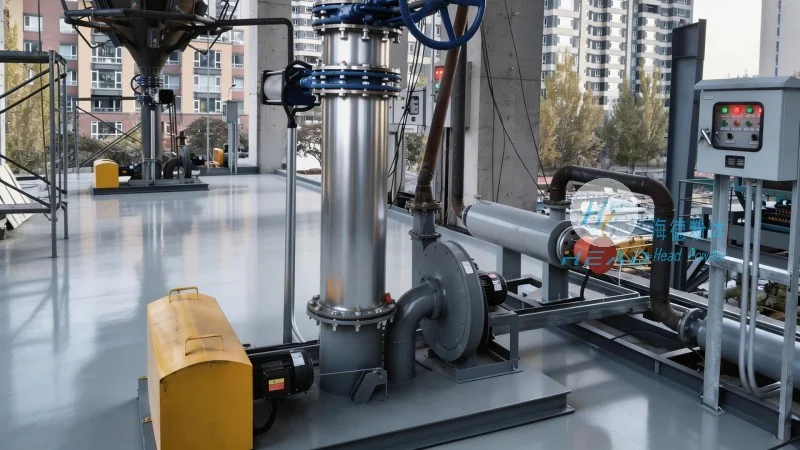
- Positive Pressure Conveying: In this system, compressed air is used to push the slag particles through the conveying line. This method is suitable for short to medium distances and is effective for handling abrasive materials. Positive pressure systems are generally more reliable and easier to maintain compared to negative pressure systems, as they do not require high vacuum levels.
- Negative Pressure Conveying: This system uses suction to draw the slag particles into the conveying line. It is often used for longer distances or when the source and destination are at different elevations. Negative pressure systems are more energy-efficient for long distances but may require more maintenance due to the higher vacuum levels and potential for dust accumulation.
- Combination Systems: Some applications may require a combination of positive and negative pressure systems. For example, a positive pressure system may be used to transport slag from the source to a central collection point, and then a negative pressure system may be used to transport it from there to the final destination. This approach allows for flexibility and optimization based on the specific layout and requirements of the facility.
Advantages of Air-Pneumatic Slag Conveying Structures
Air-pneumatic conveying structures offer several advantages over traditional methods of slag transportation, such as belt conveyors or trucks. These advantages include:
- Reduced Wear and Tear: Since the slag is transported in a closed system with air, there is less direct contact between the material and the equipment. This reduces wear on the conveying line and other components, leading to lower maintenance costs and longer equipment life.
- Improved Safety: The closed system prevents dust and particles from being released into the environment, reducing the risk of respiratory issues and other health hazards for workers. It also minimizes the risk of material spillage or accidents.
- Space Efficiency: Air-pneumatic systems can be installed in tight spaces or along existing structures, making them suitable for facilities with limited room for traditional conveyors. This allows for more flexible layout designs and better utilization of available space.
- Energy Efficiency: Modern air-pneumatic systems are designed to be energy-efficient, with adjustable air flow and pressure control to minimize energy consumption. This not only reduces operating costs but also aligns with environmental sustainability goals.
Application Examples in Industrial Settings
Air-pneumatic slag conveying structures are widely used in various industrial settings, including steel mills, foundries, and power plants. For example, in a steel mill, slag is often transported from the blast furnace to a slag processing facility using a positive pressure system. The system may include a feeder to control the flow of slag, a long conveying line, and a cyclone to separate the slag from the air. In a foundry, the system may be used to transport slag from the casting process to a storage area, with a negative pressure system used to handle longer distances or changes in elevation.
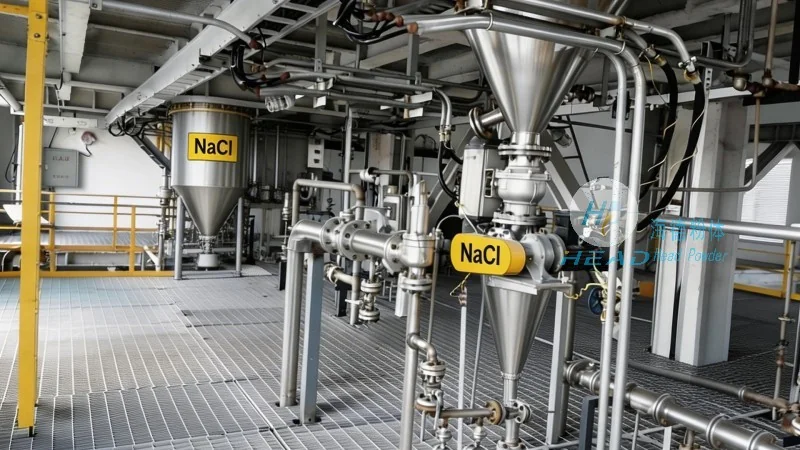
In power plants, slag from coal combustion is often transported using air-pneumatic systems. The system may be designed to handle large volumes of slag and operate continuously, with advanced control systems to ensure consistent performance. The choice of system type and components depends on the specific requirements of each facility, such as the distance to be covered, the material's properties, and the available space.