

What is High-Pressure Dilute Phase Material Handling? And What Are Its Design Principles?
High-pressure dilute phase material handling is a specialized industrial process used for transporting bulk materials through pipelines under high pressure and low concentration. This method is widely adopted in various industries, including chemical, pharmaceutical, food processing, and mining, to efficiently move powders and granules over long distances. The core of this technology lies in the design principles that ensure reliable, efficient, and safe material transport, which we will explore in detail below.
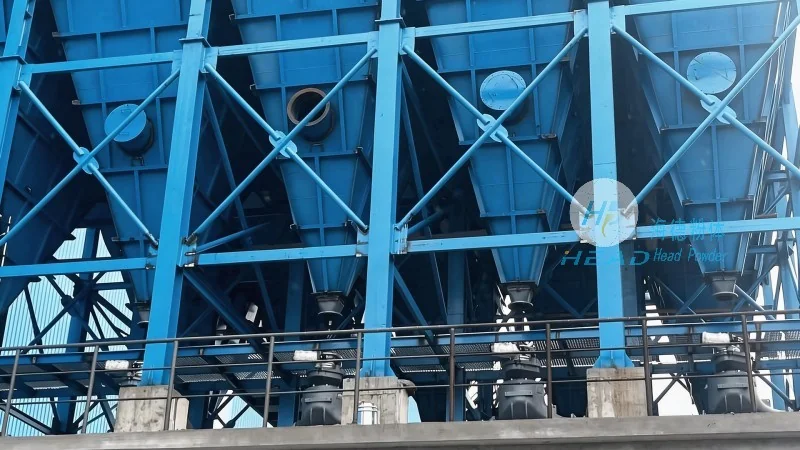
Understanding High-Pressure Dilute Phase Material Handling
At its essence, high-pressure dilute phase material handling involves the use of compressed air or other gases to create a slurry of material particles suspended in a gas stream. The material is carried through the pipeline at a low concentration, typically ranging from 5% to 20% by volume, which minimizes blockages and reduces the risk of material degradation. This approach contrasts with dense phase or pneumatic conveying methods, where materials are transported at higher concentrations, often leading to increased energy consumption and equipment wear.
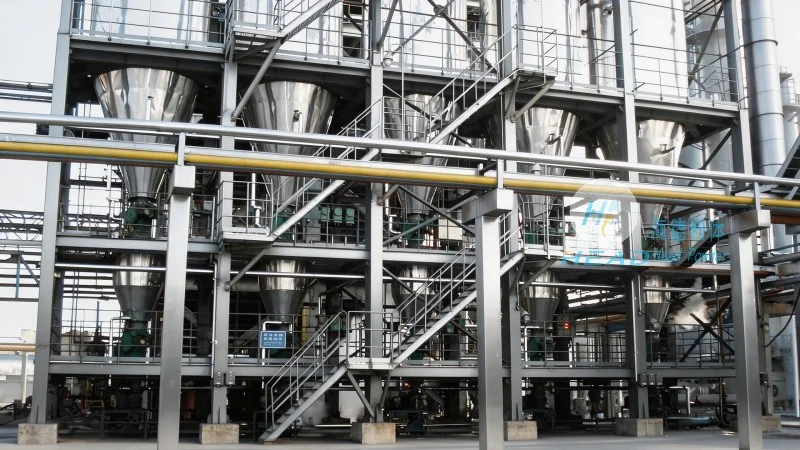
Key Design Principles of High-Pressure Dilute Phase Systems
The design of high-pressure dilute phase material handling systems is governed by several critical principles that ensure optimal performance. These include:
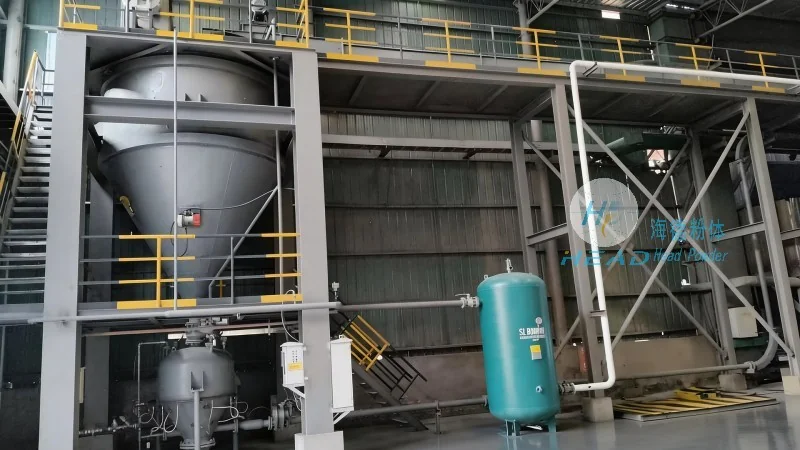
- Pressure Management: Maintaining consistent pressure throughout the pipeline is crucial to prevent material settling or clogging. The system typically operates at pressures ranging from 5 to 15 bar, depending on the material's properties and pipeline length.
- Gas Flow Control: Precise control of the gas flow rate is essential to achieve the desired material concentration and velocity. This is achieved through variable frequency drives (VFDs) and pressure regulators that adjust the air supply in real-time based on system conditions.
- Pipeline Sizing: The diameter and length of the pipeline are carefully selected to balance material velocity and pressure drop. Larger diameters reduce pressure loss but increase capital costs, while smaller diameters may lead to higher energy consumption and potential blockages.
- Material Compatibility: The choice of pipeline materials, such as stainless steel, PVC, or polyethylene, is determined by the chemical and physical properties of the material being transported. For example, corrosive materials may require stainless steel or special coatings to prevent degradation.
Components and Equipment in High-Pressure Dilute Phase Systems
High-pressure dilute phase material handling systems consist of several key components that work in tandem to ensure efficient operation. These include:
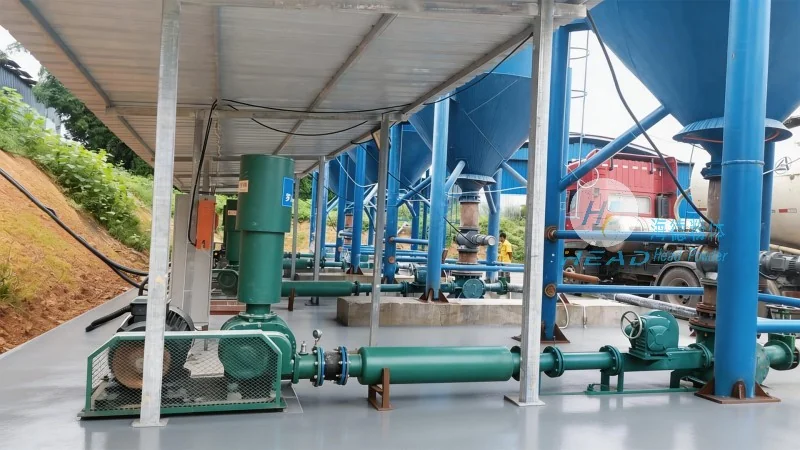
- Feeder: The feeder is responsible for introducing the material into the pipeline at a controlled rate. Common types include rotary valves, screw feeders, and vibratory feeders, which are selected based on the material's flow characteristics and particle size.
- Pneumatic Conveying Unit: This unit houses the compressor, air filter, and pressure regulator, which provide the necessary compressed air to transport the material. The compressor is typically a rotary screw or centrifugal type, chosen for its efficiency and reliability.
- Pipeline and Fittings: The pipeline is constructed from durable materials to withstand high pressure and the abrasive nature of the material. Elbows, tees, and other fittings are designed to minimize pressure loss and prevent material accumulation.
- Receiver: The receiver is the terminal point of the pipeline, where the material is deposited. It is equipped with a dust collection system to capture any fine particles and prevent environmental contamination.
Applications and Benefits of High-Pressure Dilute Phase Material Handling
High-pressure dilute phase material handling is used in a wide range of applications, from the transportation of fine powders like cement and flour to bulk granules such as sugar and salt. The primary benefits of this technology include: