

What is a Reduced Iron Powder Material Conveying Line? What Are Its Design Principles?
Reduced iron powder is a critical material in various industrial applications, and the efficient handling of this fine powder requires specialized equipment. A reduced iron powder material conveying line is a system designed to transport this material from one location to another within a production facility. This article will explore the components, design principles, and operational aspects of such a conveying line, focusing on the technical aspects and practical applications.
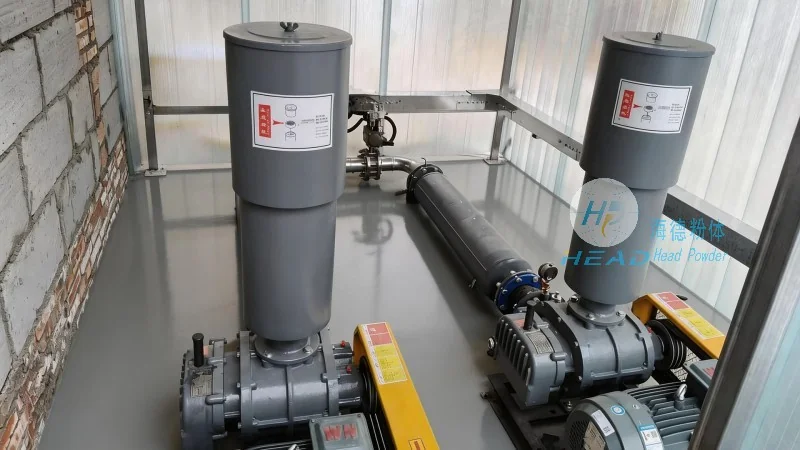
Understanding the Reduced Iron Powder Material Conveying Line
At the core of any reduced iron powder conveying system is the need to handle a material that is both fine and potentially abrasive. Reduced iron powder, often used in metallurgy, chemical processing, and other industries, presents unique challenges during transportation due to its dustiness and tendency to create static electricity. The conveying line is engineered to address these challenges while ensuring consistent material flow and minimal loss or contamination.
Key Components of the Conveying Line
The reduced iron powder material conveying line typically consists of several key components that work in tandem to achieve efficient material transport. These components include feeders, conveyors, dust collection systems, and control mechanisms. Each component plays a crucial role in the overall performance of the system.
Feeders are responsible for accurately metering the reduced iron powder and feeding it into the conveyor system. They ensure a consistent flow rate, which is essential for maintaining the stability of the conveying process. Common types of feeders used in such systems include screw feeders, vibratory feeders, and rotary valves, each chosen based on the specific characteristics of the material and the required flow rate.
Conveyors are the primary means of transporting the reduced iron powder through the system. Various conveyor types are employed, such as pneumatic conveyors, screw conveyors, and belt conveyors. Pneumatic conveyors, which use air pressure to move the material, are particularly effective for fine powders like reduced iron powder due to their ability to handle dust and prevent material buildup. Screw conveyors, on the other hand, are suitable for bulk material transport and can handle larger quantities of powder with minimal maintenance.
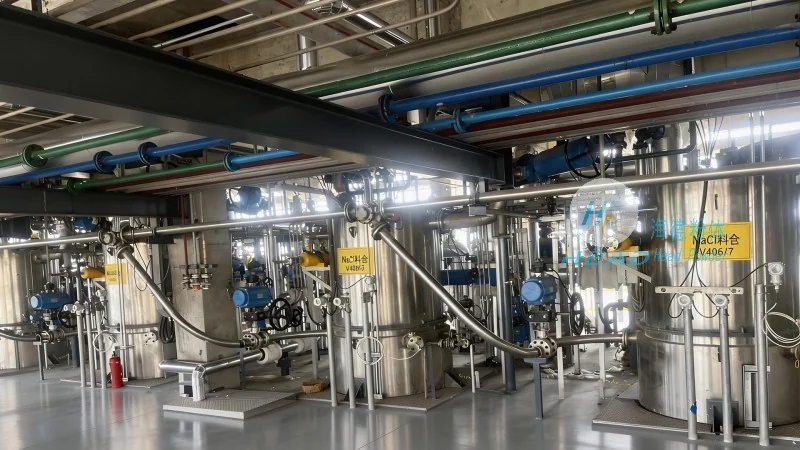
Dust collection systems are integral to the conveying line, as reduced iron powder is prone to generating dust during handling. These systems, often including cyclones, filters, and dust hoppers, capture and remove airborne particles, ensuring a clean and safe working environment. Proper dust control is not only essential for occupational health and safety but also for maintaining the quality of the material by preventing contamination from external particles.
Control mechanisms are used to regulate the operation of the conveying line, ensuring that the system runs smoothly and efficiently. These mechanisms may include sensors to monitor material levels, pressure gauges to check air flow, and control panels to adjust the speed of the conveyors or the feed rate. Advanced control systems can also integrate with other parts of the production process, providing real-time data and allowing for automated adjustments to maintain optimal performance.
Design Principles for the Conveying Line
The design of a reduced iron powder material conveying line is guided by several key principles aimed at maximizing efficiency, safety, and reliability. These principles include material handling efficiency, dust control, and system integration.
Material handling efficiency is a primary consideration in the design of the conveying line. The system must be able to transport the reduced iron powder at a consistent rate while minimizing energy consumption and wear on components. This is achieved through careful selection of conveyor types, proper sizing of components, and the use of efficient control mechanisms. For example, pneumatic conveyors are often preferred for fine powders due to their ability to handle high volumes with low energy input compared to mechanical conveyors.
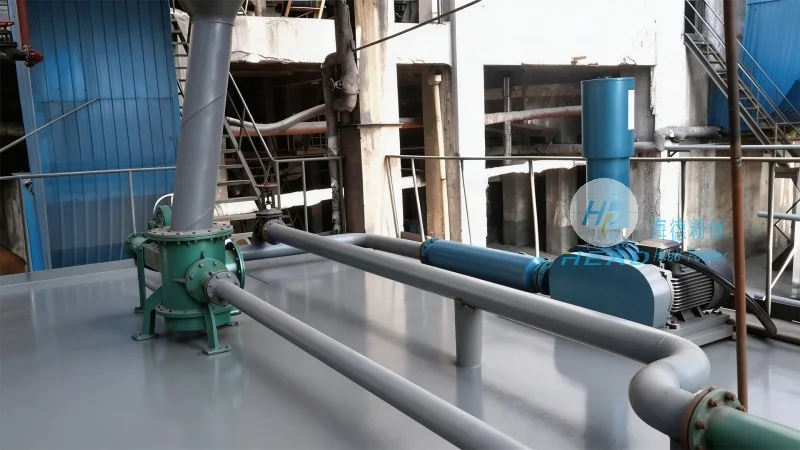
Dust control is another critical design principle, as reduced iron powder can create significant dust during handling. The design must incorporate effective dust collection systems that can capture and remove airborne particles without causing blockages or system failures. This involves selecting appropriate filter media, ensuring adequate airflow, and maintaining regular maintenance schedules to keep the dust collection system operating at peak efficiency.
System integration is also a key design consideration. The conveying line must be compatible with other equipment in the production facility, such as storage silos, processing units, and packaging systems. This requires careful planning to ensure that the material flow is seamless and that the system can be easily integrated into existing processes. Additionally, the design should allow for future expansion or modification, providing flexibility to adapt to changing production needs.
Operational Considerations and Maintenance
Once the reduced iron powder material conveying line is installed and operational, several considerations are necessary to maintain its performance and longevity. Regular maintenance is essential to ensure that all components are functioning correctly and to prevent issues such as blockages, wear, or dust buildup.
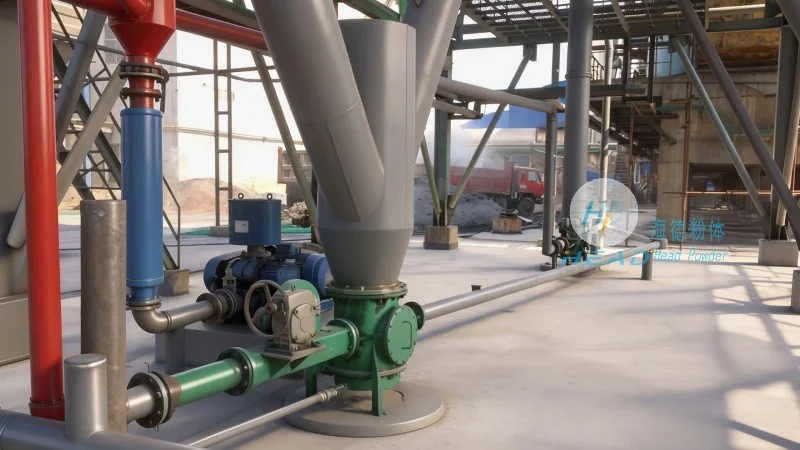
Regular cleaning of the conveyor system is crucial, especially for components that come into direct contact with the reduced iron powder. This includes cleaning the feeders, conveyors, and dust collection systems to remove any accumulated material or dust. Proper cleaning procedures should be followed to prevent cross-contamination and ensure the material remains pure.
Monitoring the system's performance is also important. This involves checking the flow rate, pressure, and temperature of the conveying line to identify any potential issues before they become major problems. Sensors and control systems can provide real-time data on the system's operation, allowing for quick adjustments and troubleshooting.
Training operators on the proper use and maintenance of the conveying line is another critical aspect of operational considerations. Proper training ensures that operators understand the system's components, how to operate them safely, and how to perform routine maintenance tasks. This helps to minimize downtime and maximize the system's lifespan.
Conclusion
A reduced iron powder material conveying line is a sophisticated system designed to handle the unique challenges of transporting fine, abrasive materials like reduced iron powder. By incorporating key components such as feeders, conveyors, dust collection systems, and control mechanisms, and adhering to design principles focused on efficiency, dust control, and system integration, these lines can operate reliably and safely. Regular maintenance and proper operational practices are essential to ensure the long-term performance and effectiveness of the system. For industries relying on reduced iron powder, investing in a well-designed and maintained conveying line is a critical step toward optimizing production processes and maintaining product quality.