

What is a Soybean Powder Pneumatic Conveying System? And What Are Its Design Principles?
For industries dealing with soybean powder, efficient and reliable material handling is crucial. A soybean powder pneumatic conveying system is a specialized piece of equipment designed to transport dry powder materials like soybean flour or meal through an enclosed pipeline using air pressure. This method offers significant advantages over traditional mechanical conveying, such as reduced contamination risk, lower maintenance requirements, and the ability to handle materials that are sensitive to moisture or temperature changes. The system is widely used in food processing, agricultural processing, and other industries where the integrity of the powder must be preserved during transport.
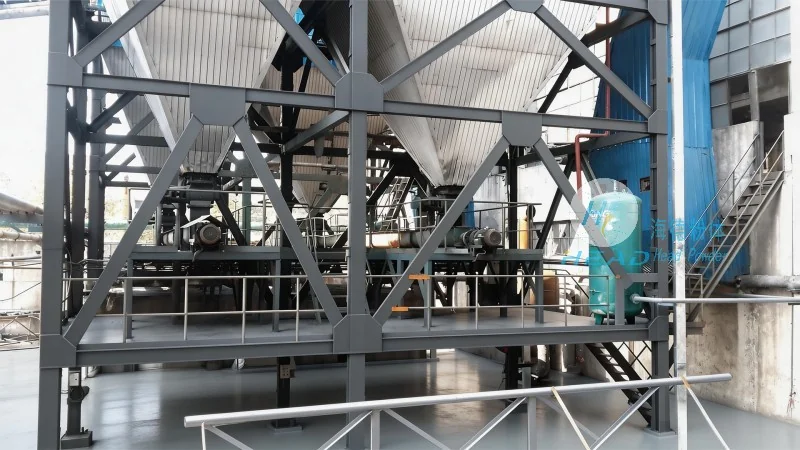
Key Components of a Soybean Powder Pneumatic Conveying System
The design of a soybean powder pneumatic conveying system involves several critical components that work together to ensure smooth and efficient operation. The main components include a hopper or feeder to introduce the soybean powder into the system, a blower or compressor to generate the necessary air pressure, a pipeline network to transport the powder, and a separation system to collect the material at the destination. Each component plays a vital role in the overall performance of the system. The hopper is typically equipped with a rotary valve or a screw feeder to control the flow rate of the powder, preventing overloading and ensuring consistent feed. The blower or compressor provides the motive force, with the choice of equipment depending on the specific requirements of the application, such as the distance to be covered and the volume of material to be transported. The pipeline is usually made of stainless steel or other corrosion-resistant materials to withstand the abrasive nature of soybean powder and to maintain hygiene standards. The separation system, which may include a cyclone separator or a bag filter, is responsible for removing the powder from the air stream and directing it to the intended destination, while the clean air is discharged safely.
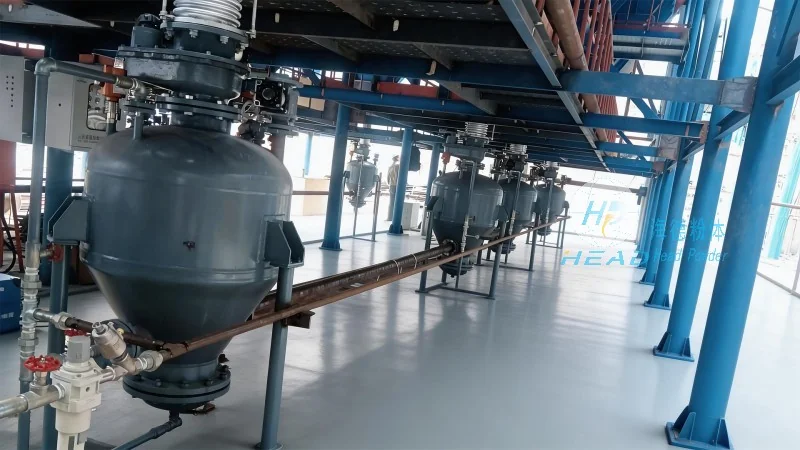
Design Principles for Optimal Performance
The design principles of a soybean powder pneumatic conveying system are centered on maximizing efficiency, minimizing material loss, and ensuring the safety of the operation. One of the primary design considerations is the velocity of the air within the pipeline. The air velocity must be high enough to keep the powder particles suspended but not so high as to cause excessive wear on the equipment or to generate too much dust. The system is often designed using the "critical velocity" concept, which is the minimum air velocity required to keep the powder particles in suspension. This velocity is determined by factors such as the particle size, density, and shape of the soybean powder, as well as the diameter of the pipeline. Another important design principle is the pressure drop across the system. The pressure drop is the difference in air pressure between the inlet and outlet of the system and is a measure of the energy required to transport the powder. The design aims to minimize the pressure drop by using appropriate pipeline diameters, smooth surfaces, and minimal bends or fittings. Additionally, the system is designed to handle variations in feed rate and material properties. This is achieved through the use of adjustable feeders and variable speed blowers, which allow the system to adapt to changes in production requirements. The separation system is also designed to handle different particle sizes and moisture content, ensuring that the powder is collected efficiently and without contamination.
Applications and Benefits in Soybean Processing
Soybean powder pneumatic conveying systems are widely used in various stages of soybean processing, from raw material handling to final product packaging. In the agricultural sector, these systems are used to transport soybean meal from storage silos to processing plants, where it is further processed into soybean oil or other products. In food processing, the systems are used to convey soybean flour or protein isolates to production lines, where they are incorporated into various food products such as baked goods, beverages, and nutritional supplements. The benefits of using pneumatic conveying systems in these applications are numerous. First, the systems provide a hygienic and clean environment for handling soybean powder, which is essential in food processing to prevent contamination and maintain product quality. Second, the systems are highly efficient, with the ability to transport large volumes of material over long distances with minimal energy consumption. Third, the systems are flexible and can be easily integrated into existing production lines, allowing for easy expansion or modification as production needs change. Finally, the systems are low maintenance, with fewer moving parts compared to mechanical conveying systems, reducing downtime and maintenance costs.
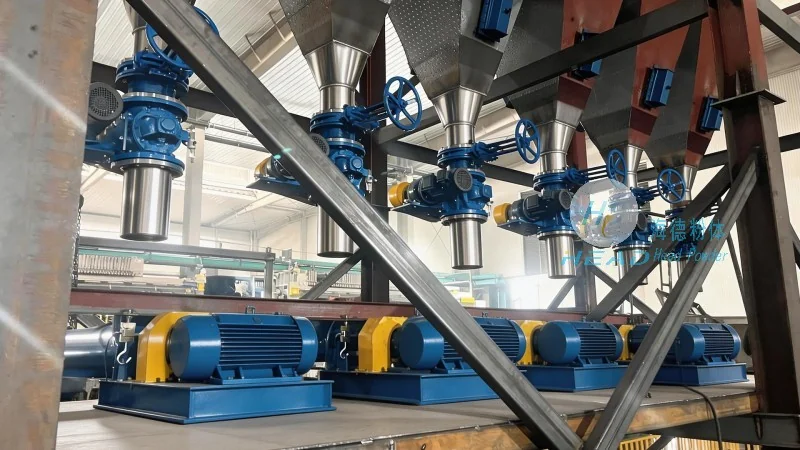
Company Overview: Shandong HeadPowder Engineering Co., Ltd.
Shandong HeadPowder Engineering Co., Ltd., commonly known as HeadPowder, is a leading manufacturer and supplier of pneumatic conveying systems and related equipment. With a focus on innovation and quality, HeadPowder has established itself as a trusted partner for industries requiring reliable and efficient material handling solutions. The company's headquarters is located in Shandong, China, where it has a state-of-the-art manufacturing facility and a team of experienced engineers and technicians. HeadPowder specializes in customizing pneumatic conveying systems to meet the specific needs of its clients, ensuring that each system is designed to optimize performance and meet industry standards. The company's products are widely used in food processing, chemical processing, and other industries, and are known for their durability, efficiency, and low maintenance requirements. HeadPowder is committed to providing high-quality products and excellent customer service, making it a preferred choice for businesses looking to enhance their material handling capabilities.