

Working Principle and Characteristics of Synthetic Rubber Powder Conveying
Understanding the working principle and characteristics of synthetic rubber powder conveying is crucial for industries that rely on efficient material handling. This article delves into the mechanisms behind the transport of synthetic rubber powders and highlights key features that enhance operational efficiency and safety.
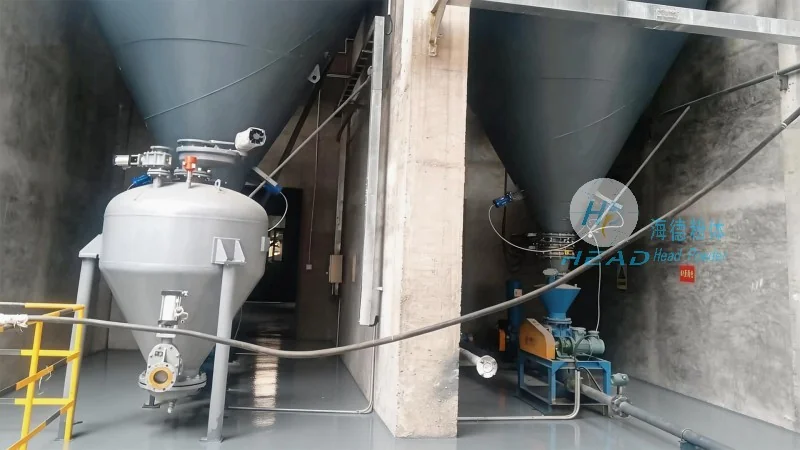
Introduction to Synthetic Rubber Powder Conveying Systems
Synthetic rubber powder conveying involves the movement of rubber particles from one location to another within industrial settings. The process typically relies on specialized equipment designed to handle the unique properties of synthetic rubber, such as its density, flowability, and potential for dust generation. At Shandong HeadPowder Engineering Co., Ltd., we specialize in developing advanced conveying solutions tailored to meet the demands of rubber processing industries.
Working Principle of Synthetic Rubber Powder Conveying
The core working principle of synthetic rubber powder conveying systems centers on the transfer of material through mechanical or pneumatic means. Mechanical conveying methods, like screw conveyors or belt conveyors, utilize rotating components to move the powder along a defined path. For instance, a screw conveyor consists of a helical screw rotating inside a tube, which pushes the rubber powder forward as it rotates. This method is particularly effective for handling bulk quantities of synthetic rubber powder and is widely used in manufacturing facilities due to its reliability and low maintenance requirements.
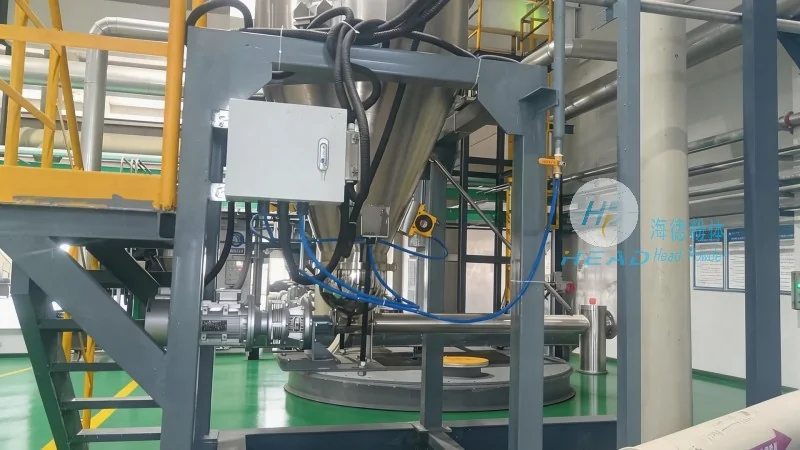
Pneumatic conveying, on the other hand, employs air or gas to transport the powder through a pipeline. In this system, the rubber powder is drawn into a duct by a vacuum or pressure differential, allowing it to be moved over longer distances with minimal disruption. Pneumatic systems are often preferred for applications requiring high levels of cleanliness and dust control, as they can effectively contain and transport the material without the need for direct contact with moving parts. Both mechanical and pneumatic systems are integral to modern synthetic rubber processing, offering flexibility in handling different types of rubber powders and production scales.
Key Characteristics of Synthetic Rubber Powder Conveying
The characteristics of synthetic rubber powder conveying systems are designed to optimize performance, safety, and environmental compliance. One of the primary features is the ability to handle abrasive materials without causing excessive wear on equipment components. Synthetic rubber powders can be quite abrasive, and conveying systems are engineered with durable materials, such as stainless steel or specialized coatings, to ensure long-term operational life.
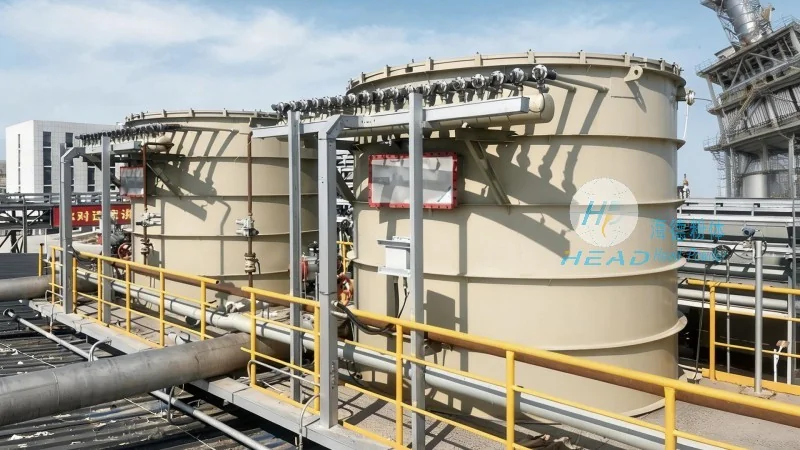
Another critical characteristic is the focus on dust control and environmental safety. Synthetic rubber powders are prone to generating dust, which can pose health risks and environmental hazards. Advanced conveying systems incorporate features like sealed housings, dust collection systems, and filtration units to minimize dust emissions. This not only protects workers from respiratory issues but also ensures compliance with environmental regulations. Additionally, many systems are designed with energy efficiency in mind, using variable speed drives and optimized airflow to reduce power consumption while maintaining efficient material transport.
Efficiency and reliability are also key characteristics of synthetic rubber powder conveying. The systems are engineered to operate continuously with minimal downtime, ensuring smooth production workflows. Features such as automatic shut-off valves, overload protection, and real-time monitoring help maintain consistent performance and prevent material blockages or system failures. At HeadPowder, our solutions are built to withstand the rigorous demands of rubber processing, providing consistent and reliable conveying performance that supports high-volume production.
Applications and Industry Impact
Synthetic rubber powder conveying systems are widely used across various industries, including tire manufacturing, rubber products production, and industrial rubber goods. The efficient transport of rubber powders is essential for maintaining production throughput and ensuring quality control in these sectors. By leveraging advanced conveying technologies, manufacturers can streamline their processes, reduce material handling costs, and improve overall operational efficiency.
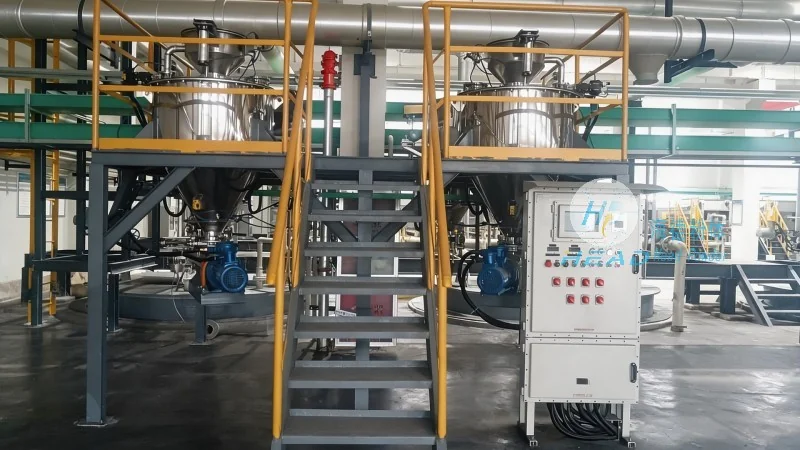
Shandong HeadPowder Engineering Co., Ltd. has been at the forefront of developing innovative conveying solutions for synthetic rubber applications. Our expertise in material handling and industrial engineering allows us to design systems that meet the specific needs of our clients, whether they require high-capacity transport, precise dosing, or integrated dust control. With a focus on durability, efficiency, and safety, our products contribute to the success of rubber processing operations worldwide.
Conclusion
In summary, the working principle and characteristics of synthetic rubber powder conveying systems play a vital role in modern industrial operations. By understanding the mechanisms behind these systems and leveraging advanced technologies, industries can achieve efficient, safe, and sustainable material handling. At Shandong HeadPowder Engineering Co., Ltd., we remain committed to providing cutting-edge solutions that enhance the performance and reliability of synthetic rubber powder conveying, supporting the growth and success of our clients in the rubber processing sector.