

Working Principle and Characteristics of Trilayer Material Powder Conveying
Trilayer material powder conveying systems are critical components in modern industrial processes, particularly for handling materials like lithium-ion battery cathode materials. The technology behind these systems is designed to ensure efficient, reliable, and safe transport of fine powders, which are essential for high-performance battery manufacturing. This article explores the working principle and key characteristics of trilayer material powder conveying, providing insights into how these systems operate and their advantages in industrial applications.
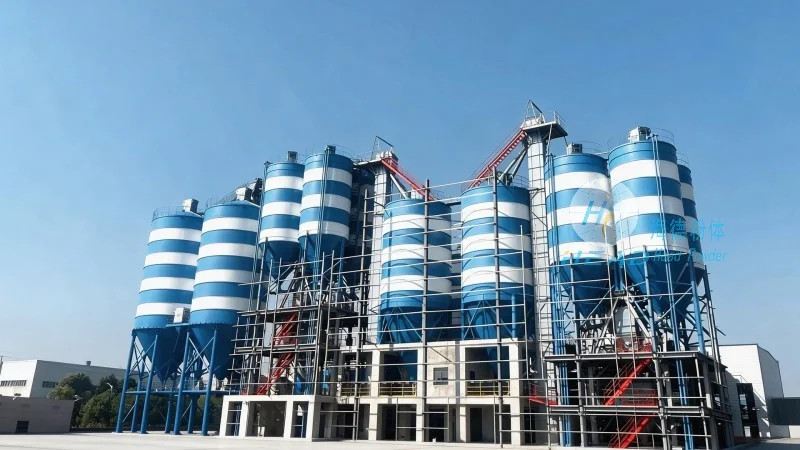
Company Introduction: Shandong HeadPowder Engineering Co., Ltd.
HeadPowder, a leading provider of powder handling solutions, specializes in designing and manufacturing advanced conveying systems for various industrial sectors. With a focus on innovation and precision engineering, the company has established itself as a trusted partner for businesses requiring efficient powder transport solutions. HeadPowder's expertise lies in understanding the unique challenges of handling fine powders, such as trilayer materials, and developing tailored solutions that meet the specific needs of clients. The company is headquartered in Shandong, China, where it operates its research and development facilities, manufacturing plants, and customer support centers.
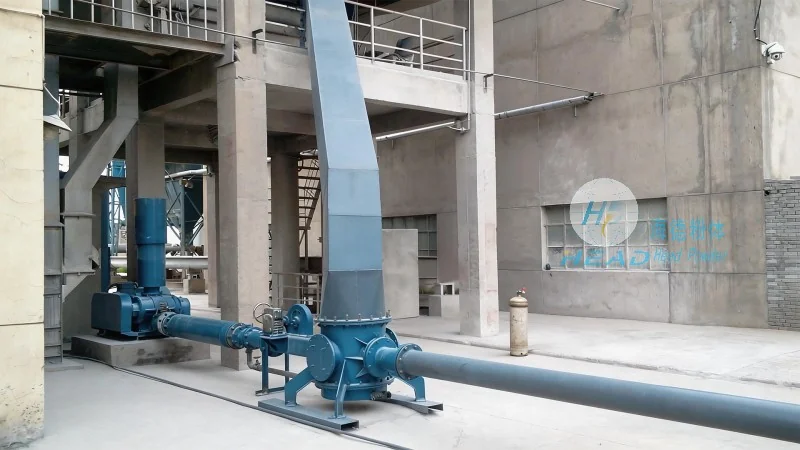
The Working Principle of Trilayer Material Powder Conveying
The working principle of trilayer material powder conveying systems involves a combination of mechanical and pneumatic components that work in tandem to move powders from a source to a destination. At its core, the system typically consists of a hopper or feeder that holds the trilayer material, a conveying mechanism (such as a screw conveyor, pneumatic duct, or rotary valve), and a control system that regulates the flow. The process begins with the material being fed into the hopper, where it is then transferred to the conveying device. For pneumatic conveying, compressed air is used to create a flow that propels the powder through the ductwork. The control system ensures that the flow rate is maintained at optimal levels, preventing issues like clogging or uneven distribution. The entire operation is designed to be continuous and automated, minimizing manual intervention and maximizing productivity. The system also incorporates safety features, such as pressure relief valves and dust collection systems, to ensure compliance with industrial safety standards and protect both personnel and equipment.
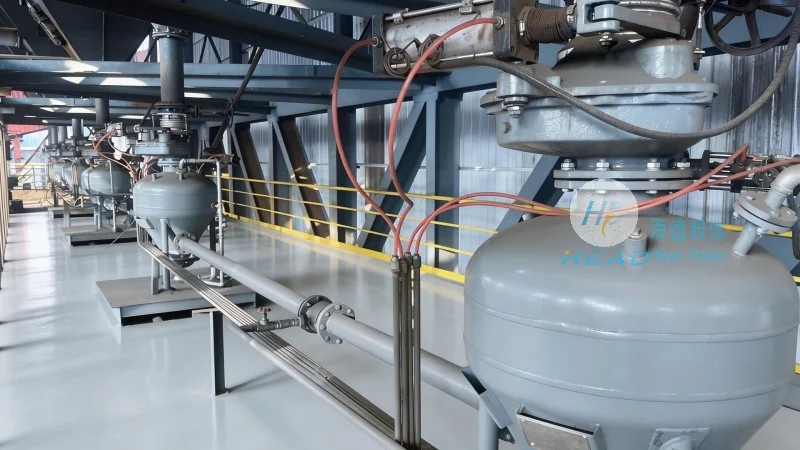
Key Characteristics of Trilayer Material Powder Conveying Systems
Trilayer material powder conveying systems exhibit several distinct characteristics that make them suitable for demanding industrial applications. One of the primary advantages is their ability to handle fine, abrasive powders without causing excessive wear or degradation. The design of the conveying components, such as the screw or duct material, is often made from corrosion-resistant and wear-resistant materials to withstand the harsh conditions of trilayer material processing. Another key characteristic is the system's efficiency in maintaining consistent flow rates, which is crucial for processes that require precise material dosing. The control systems used in these conveyors often include advanced sensors and feedback mechanisms to adjust the flow in real-time, ensuring that the material is delivered at the exact rate needed. Additionally, trilayer material powder conveying systems are designed to minimize product contamination, which is critical for applications where purity is paramount, such as in battery manufacturing. The enclosed design of the system prevents dust and particles from escaping into the environment, while also protecting the material from external contaminants. Finally, these systems are built for durability and long-term reliability, with components that are designed to operate continuously without frequent maintenance, reducing downtime and operational costs for industrial facilities.
Applications and Benefits in Industrial Settings
Trilayer material powder conveying systems find wide applications across various industries, particularly in the production of lithium-ion batteries, where trilayer materials are commonly used as cathode components. The efficiency and reliability of these systems contribute significantly to the overall productivity of battery manufacturing plants. By ensuring a consistent and controlled flow of trilayer materials, the systems help maintain uniform product quality and reduce waste. The ability to handle fine powders without degradation also enhances the performance of the final battery products, as the material's properties are preserved throughout the conveying process. Furthermore, the systems' design allows for integration with other processing equipment, such as mixers and extruders, creating a seamless production line that minimizes bottlenecks and improves workflow. The benefits of using trilayer material powder conveying systems extend beyond efficiency; they also contribute to operational safety by containing dust and preventing exposure to hazardous materials. This is particularly important in industries where the powders being handled may be toxic or reactive. Overall, the adoption of these systems in industrial settings leads to improved product quality, reduced costs, and enhanced safety, making them a valuable investment for businesses operating in the battery and related sectors.
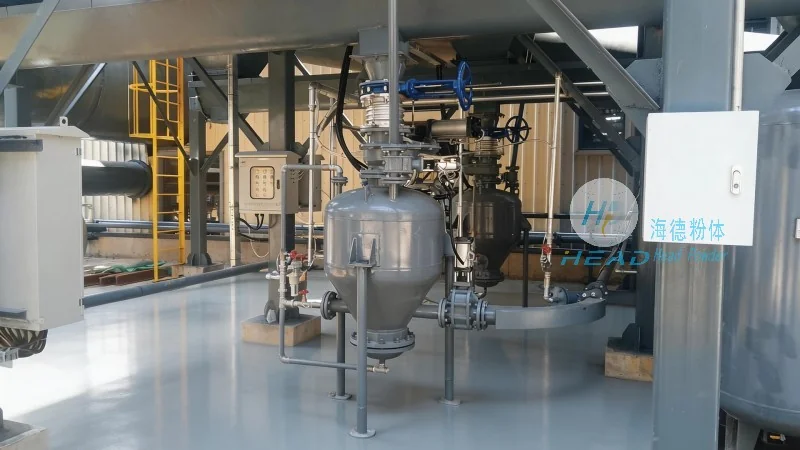
Conclusion and Company Expertise
In conclusion, trilayer material powder conveying systems are essential for the efficient and safe handling of fine powders in industrial applications. The working principle, which combines mechanical and pneumatic components with advanced control systems, ensures reliable and consistent material transport. The key characteristics of these systems, including their ability to handle abrasive materials, maintain precise flow rates, and minimize contamination, make them ideal for demanding processes like battery manufacturing. As a leading provider of powder handling solutions, Shandong HeadPowder Engineering Co., Ltd. leverages its expertise to design and manufacture high-quality trilayer material powder conveying systems that meet the specific needs of its clients. With a focus on innovation and precision engineering, HeadPowder continues to advance the technology of powder conveying, helping industrial facilities achieve higher productivity, better product quality, and enhanced safety. By choosing HeadPowder's solutions, businesses can ensure that their trilayer material handling processes are optimized for efficiency and reliability, supporting their success in the competitive industrial landscape.