

Working Principle and Features of Powder Handling for Ternary Positive Electrode Materials
Efficient and reliable powder handling is crucial in the production of ternary positive electrode materials, which are integral components in modern lithium-ion batteries. The process of transporting these fine powders involves specialized equipment and techniques designed to maintain material integrity and ensure consistent quality. This article explores the working principle and key features of the powder handling systems used for ternary positive electrode materials, highlighting the technological advancements and operational advantages that contribute to their effectiveness.
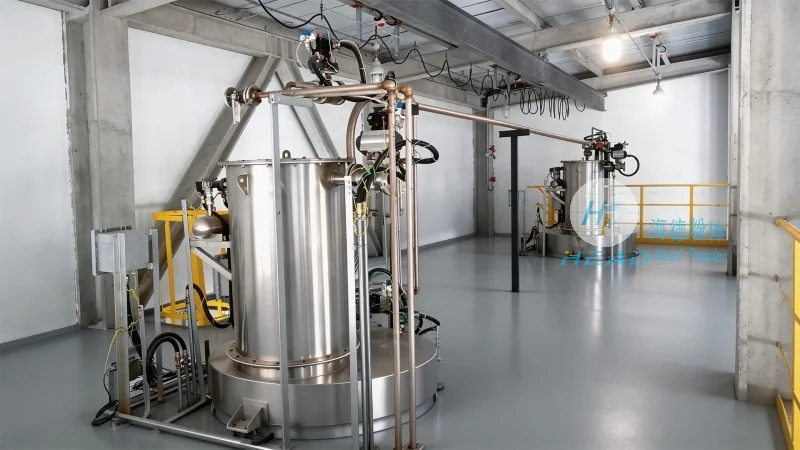
Understanding the Working Principle of Ternary Positive Electrode Material Powder Handling
The working principle of powder handling for ternary positive electrode materials typically involves a combination of mechanical and pneumatic systems tailored to the unique properties of these materials. Ternary positive electrode materials, such as those based on nickel-manganese-cobalt (NMC) or nickel-cobalt-aluminum (NCA) chemistries, are characterized by their fine particle size, high surface area, and sensitivity to moisture and contamination. These characteristics necessitate handling methods that minimize particle agglomeration, prevent oxidation, and maintain uniform particle distribution.
Commonly, the powder handling process begins with material storage in sealed, moisture-proof containers. From there, the material is transferred to a feeding system, which may include rotary valves, screw conveyors, or pneumatic transport lines. Rotary valves are often used to control the flow rate and prevent backflow, while screw conveyors provide a continuous, low-pressure transport method. Pneumatic systems, particularly in the form of pressure or vacuum conveying, are also employed for longer distances or when high precision is required. The choice of system depends on factors like material flowability, required throughput, and the need to maintain a controlled environment (e.g., inert gas or dry air).
Key Features of Ternary Positive Electrode Material Powder Handling Systems
Several critical features define the effectiveness of powder handling systems for ternary positive electrode materials. These features are designed to address the challenges posed by the material's properties and ensure optimal performance in industrial settings.
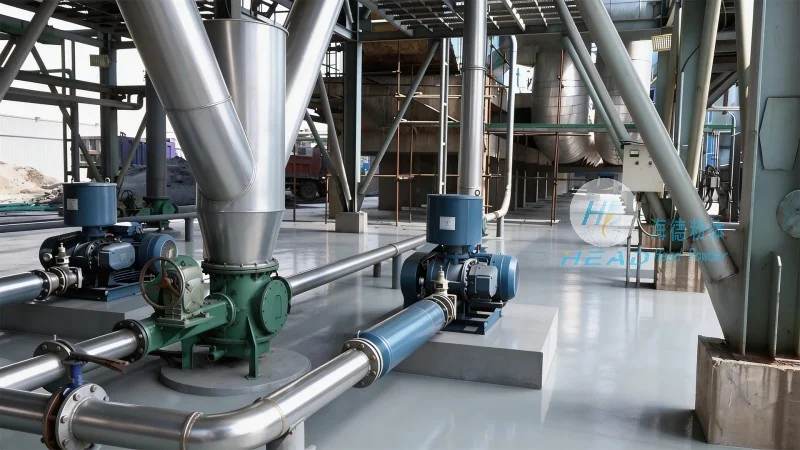
Firstly, environmental control is a paramount feature. Ternary positive electrode powders are highly reactive and susceptible to moisture absorption and oxidation. Therefore, handling systems are equipped with inert gas purging or dry air circulation to maintain a low-humidity environment. This prevents premature chemical reactions and maintains the material's electrochemical performance. Additionally, sealed and airtight components minimize exposure to ambient air, further preserving material quality.
Secondly, particle size and distribution management is essential. The uniformity of particle size directly impacts the battery's performance, as it affects the electrode's porosity and charge-discharge efficiency. Powder handling systems incorporate screening or classification mechanisms to ensure that particles are within the desired size range. This may involve vibrating screens or air classifiers that separate oversized or undersized particles, ensuring a consistent feed to downstream processes like mixing or coating.
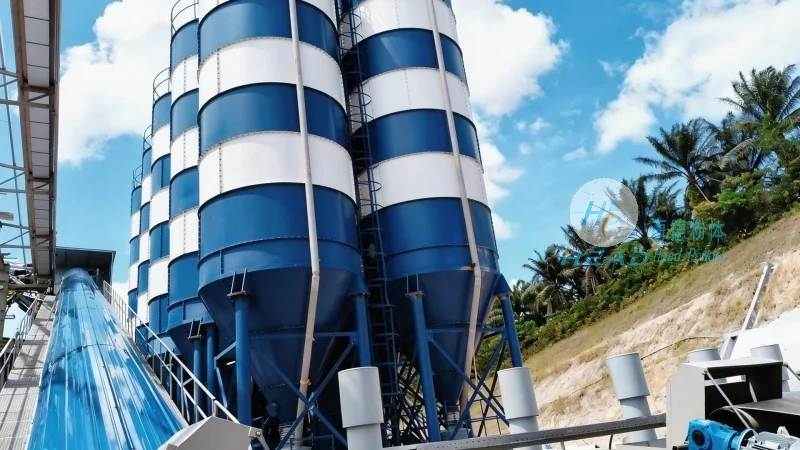
Thirdly, hygienic and contamination-free operation is a key feature. In battery manufacturing, even trace contaminants can affect the battery's lifespan and safety. Powder handling systems are constructed from materials resistant to corrosion and easy to clean, such as stainless steel. They also include features like dust collection and filtration systems to prevent the release of fine particles into the environment and to protect operators from inhalation risks.
Furthermore, energy efficiency and operational reliability are important considerations. Modern powder handling systems are designed to minimize energy consumption while maintaining high throughput. This includes the use of variable-speed drives for conveyors and valves, which adjust to the material flow rate and reduce unnecessary energy use. Reliability is enhanced through redundant components and regular maintenance protocols, ensuring minimal downtime in production lines.
Company Overview: Shandong HeadPowder Engineering Co., Ltd.
Shandong HeadPowder Engineering Co., Ltd., commonly known as HeadPowder, is a leading provider of specialized equipment and solutions for powder handling in the battery materials industry. With a focus on innovation and customer-centric design, HeadPowder has developed advanced systems tailored to the unique requirements of ternary positive electrode materials. The company's headquarters is located in Shandong, China, where it leverages local expertise and resources to deliver high-quality products and services to clients worldwide.