

Common Coal and Sand Conveying Methods: Advantages and Features of HeadPowder's Pneumatic Conveying System
Coal and sand are fundamental raw materials across numerous industrial sectors, and the efficiency of their transportation directly impacts production output and operational expenses. Conveying systems for coal and sand can be categorized into several types, each with distinct advantages and limitations. Understanding these methods enables industries to select the most appropriate solution for their specific operational requirements.
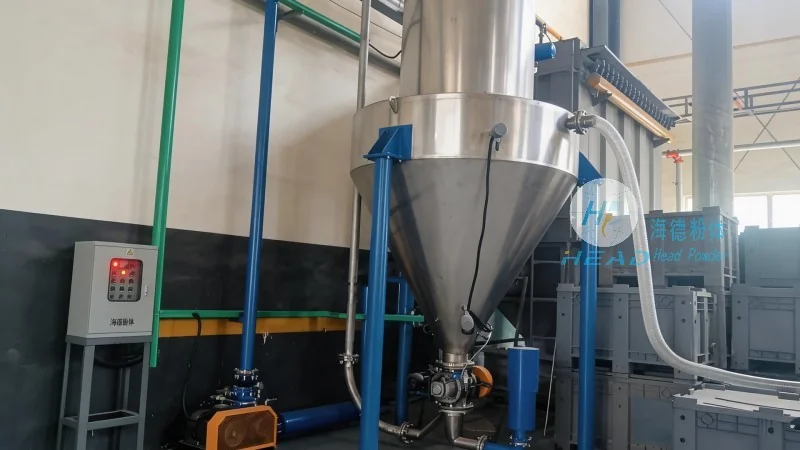
Common Conveying Methods for Coal and Sand
Traditional approaches to transporting coal and sand include belt conveyors, screw conveyors, and hydraulic systems. Belt conveyors are widely adopted due to their high capacity and ability to cover long distances. However, they may encounter challenges when handling abrasive materials like sand, leading to increased wear on belts and pulleys. Screw conveyors serve as another option, typically used for horizontal or slightly inclined transport. They are compact and versatile but less effective for vertical lifts and may experience blockages with sticky or fibrous substances.
Hydraulic Conveying Systems
Hydraulic systems utilize fluid power to move materials through pipes. While effective for certain applications, they require regular maintenance and can be susceptible to leaks, causing operational interruptions. The fluid also needs careful management to prevent contamination of the conveyed material. Additionally, hydraulic systems may not be suitable for transporting materials sensitive to moisture or for long-distance transport due to pressure drop issues.
Pneumatic Conveying: A Modern Solution
Pneumatic conveying, or air-based transport, offers a flexible and efficient alternative to traditional methods. By using compressed air to move materials through a pipeline, this system can handle a wide range of particle sizes and types, including fine powders and abrasive materials like sand. The primary advantage of pneumatic conveying is its ability to transport materials over long distances with minimal maintenance and reduced risk of product contamination.
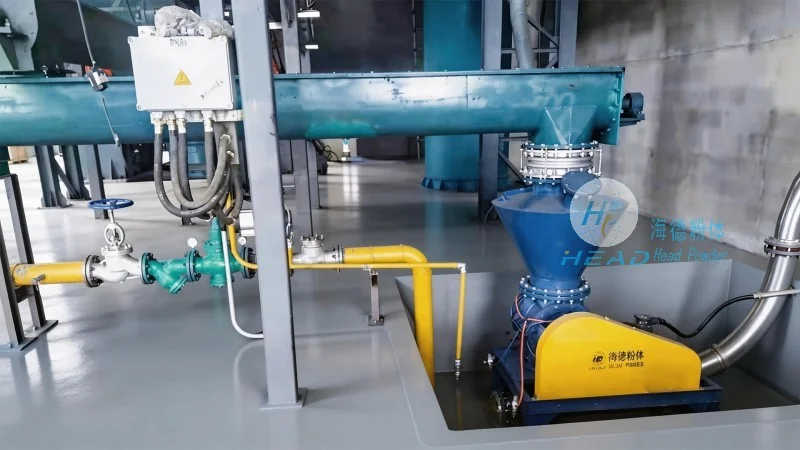
HeadPowder's Pneumatic Conveying System: Advantages and Features
Shandong HeadPowder Engineering Co., Ltd., a leading manufacturer of industrial conveying equipment, has developed a specialized pneumatic conveying system tailored for coal and sand applications. The system incorporates advanced technology to ensure reliable and efficient material transport, addressing the challenges associated with conventional methods.
Key Advantages of HeadPowder's Pneumatic Conveying System
One of the primary advantages of HeadPowder's system is its high efficiency in handling abrasive materials. The design minimizes wear and tear by using robust components and optimized air flow, ensuring longer service life and lower maintenance costs. The system also offers excellent flexibility, allowing for easy integration into existing production lines and adaptation to varying material characteristics.
The company's pneumatic conveying system is engineered to handle both dry and wet coal and sand, with options for positive and negative pressure operation. This versatility makes it suitable for a wide range of industrial applications, from mining and power generation to construction and manufacturing. The system's compact footprint and modular design also contribute to its ease of installation and maintenance, reducing downtime and increasing overall productivity.
Technical Features and Performance
HeadPowder's pneumatic conveying system is equipped with state-of-the-art components, including high-efficiency blowers, durable pipelines, and advanced control systems. The blowers are designed to deliver consistent air pressure and flow, ensuring stable material transport even with varying load conditions. The pipelines are constructed from corrosion-resistant materials, such as stainless steel or special alloys, to withstand the abrasive nature of coal and sand and prevent material buildup.
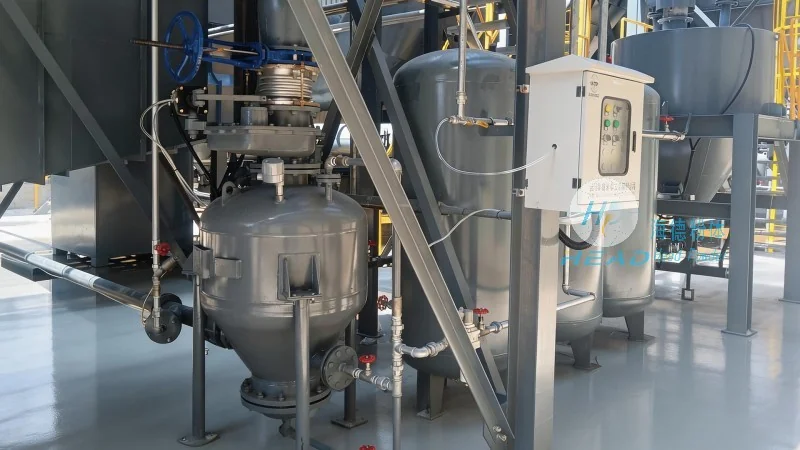
The control system allows for real-time monitoring and adjustment of the conveying process, enabling operators to optimize performance and troubleshoot issues quickly. This feature enhances operational efficiency and reduces the risk of material loss or system failure. Additionally, the system is designed with safety in mind, incorporating features like pressure relief valves and automatic shut-off mechanisms to prevent accidents and ensure safe operation.
Comparison with Traditional Methods
When compared to belt conveyors and screw conveyors, HeadPowder's pneumatic conveying system offers several distinct advantages. Unlike belt conveyors, which are prone to wear from abrasive materials, the pneumatic system minimizes mechanical contact, reducing the risk of product degradation and equipment damage. Screw conveyors, while effective for some materials, may struggle with fine powders and are susceptible to blockages, leading to downtime and maintenance costs. Hydraulic systems, on the other hand, require more complex maintenance and are less flexible in handling varying material types.
HeadPowder's system also outperforms traditional methods in terms of energy efficiency and environmental impact. By using compressed air, the system reduces the need for heavy machinery and minimizes noise pollution, contributing to a safer and more sustainable industrial environment. The reduced need for regular maintenance and replacement of worn parts further lowers the total cost of ownership over the system's lifespan.