

Working Principle and Features of High-Temperature Fly Ash Powder Conveying System Equipment
Shandong HeadPowder Engineering Co., Ltd., commonly known as headpowder, specializes in providing advanced solutions for high-temperature fly ash powder conveying systems. This equipment is designed to efficiently handle the transportation of fly ash from thermal power plants and other industrial facilities where temperatures can reach extreme levels. The system is engineered to maintain operational integrity under harsh conditions, ensuring reliable performance and minimal downtime.
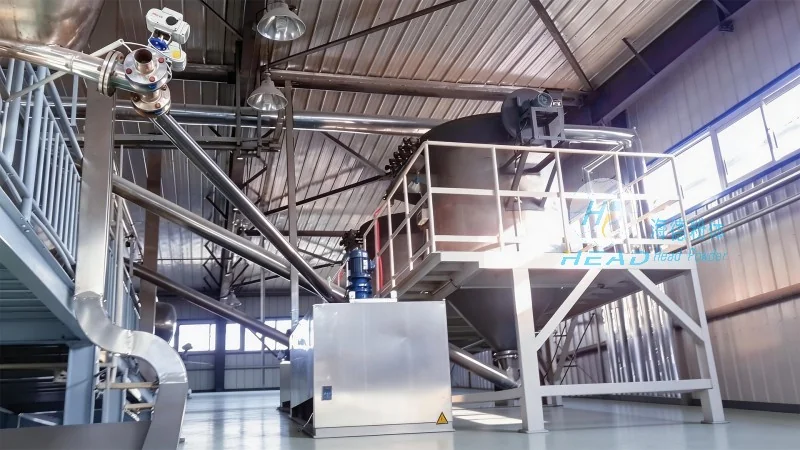
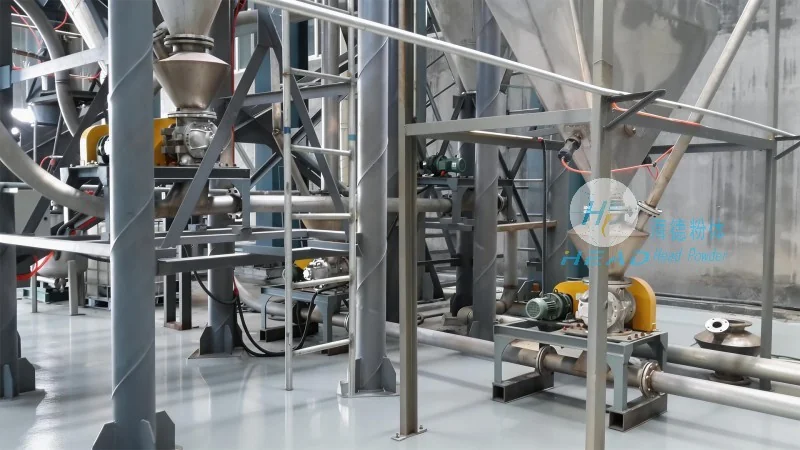
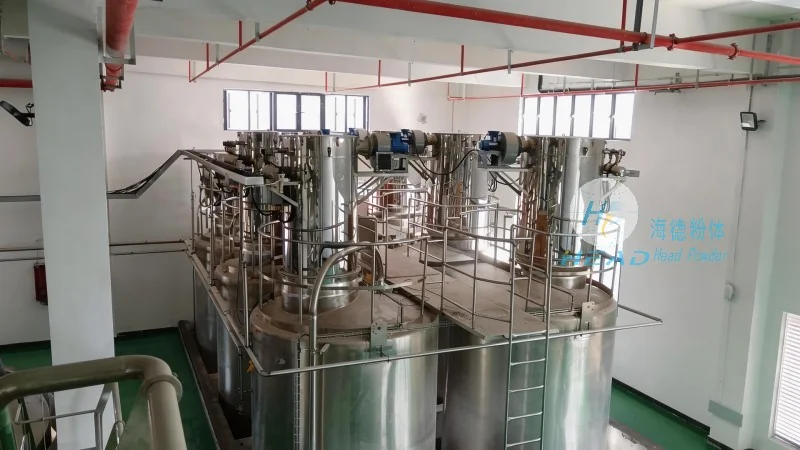
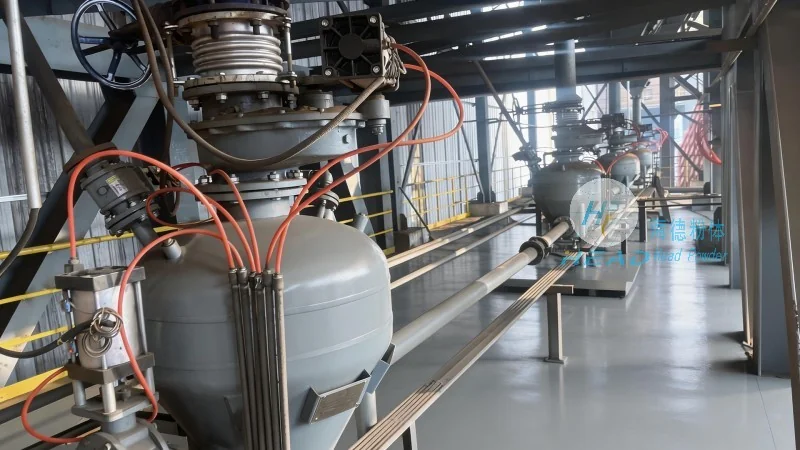
Working Principle of High-Temperature Fly Ash Powder Conveying System
The high-temperature fly ash powder conveying system operates on the principle of pneumatic or mechanical transport, depending on the specific application requirements. In pneumatic systems, high-pressure air or gas is used to create a flow that carries the fly ash particles through a network of pipes. The system is equipped with specialized components that can withstand elevated temperatures, such as high-temperature-resistant materials for the pipeline and sealing components. The process begins with the collection of hot fly ash from the boiler or furnace, where it is immediately introduced into the conveying line. The system uses a combination of temperature control and insulation to prevent heat loss while maintaining the necessary temperature for efficient transport. The conveying line is typically made of stainless steel or other corrosion-resistant alloys, with internal coatings to reduce friction and prevent material buildup. Sealing mechanisms, including high-temperature gaskets and valves, are integrated to ensure that no dust or gas escapes, maintaining environmental safety and compliance with regulations.
Key Features of the High-Temperature Fly Ash Powder Conveying System
The high-temperature fly ash powder conveying system from Shandong HeadPowder Engineering Co., Ltd. offers several distinct advantages that make it suitable for demanding industrial applications. Firstly, its ability to operate at high temperatures without compromising performance is a critical feature. The system is constructed using materials that can endure temperatures up to several hundred degrees Celsius, ensuring that the fly ash remains in a stable state during transport. This is particularly important for preventing agglomeration or degradation of the ash particles, which could affect downstream processing. Secondly, the system is designed for high efficiency and reliability. Advanced control systems and monitoring tools allow operators to track the flow rate, pressure, and temperature in real-time, enabling quick adjustments to maintain optimal performance. This reduces the risk of blockages or system failures, which are common issues in traditional conveying methods. Thirdly, the system features low maintenance requirements. The use of durable materials and robust sealing components minimizes the need for frequent repairs or replacements, resulting in lower operational costs over the equipment's lifespan. Additionally, the compact design of the system allows for easy integration into existing industrial setups, reducing installation time and complexity. The system also incorporates energy-efficient designs, such as optimized air flow and reduced pressure losses, which contribute to lower energy consumption and operational costs. Finally, the system adheres to strict environmental standards by preventing dust emissions and ensuring complete containment of the fly ash, protecting both personnel and the surrounding environment from exposure to hazardous particles.