

Working Principle and Features of Potassium Hydroxide Powder Handling Systems Equipment
When it comes to the efficient and safe transportation of potassium hydroxide (KOH) powder, specialized equipment is essential. The systems designed for this purpose are engineered to handle the unique properties of KOH, ensuring optimal performance and reliability in industrial applications. This article will explore the working principle and key features of such powder handling systems, providing a comprehensive overview for professionals in the field.
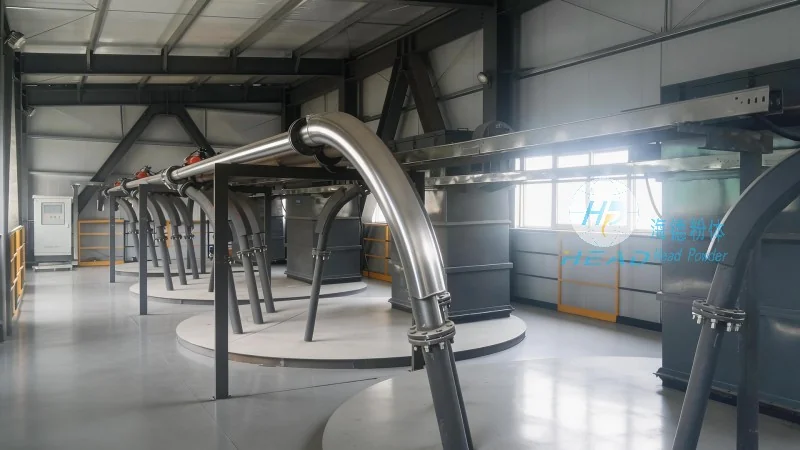
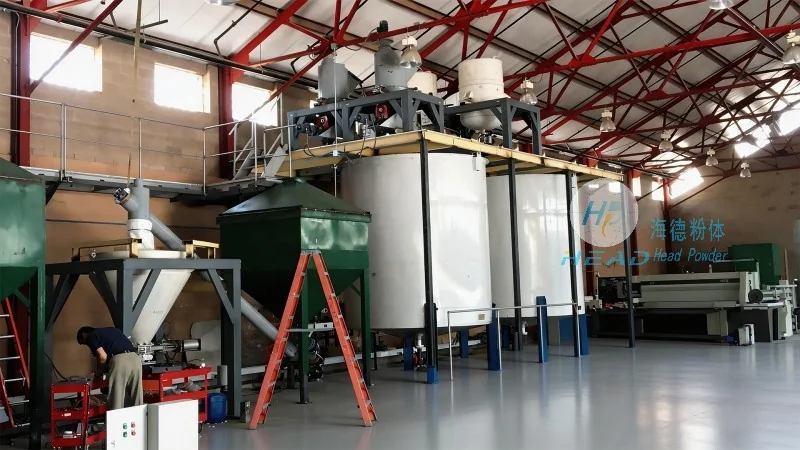
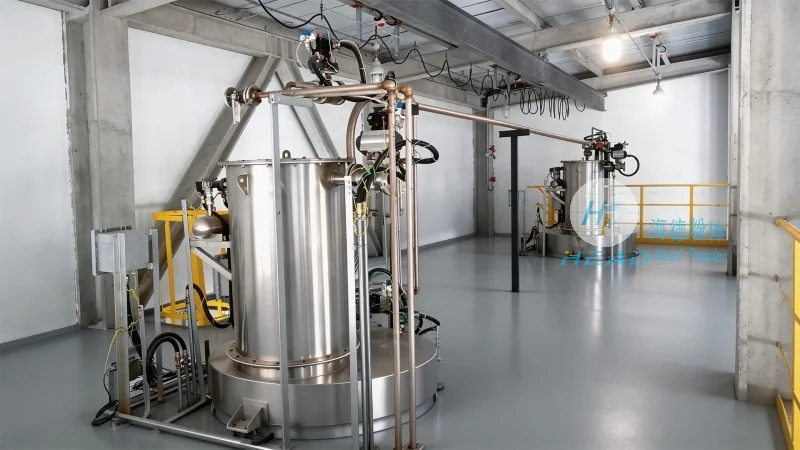
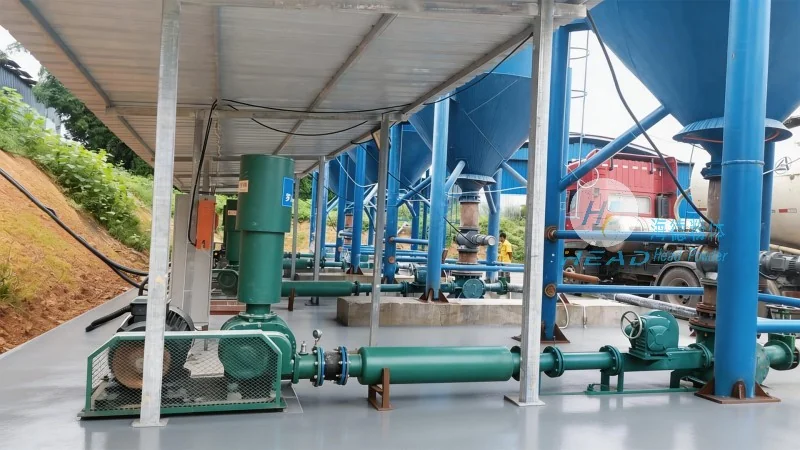
Working Principle of Potassium Hydroxide Powder Handling Systems
The core of a potassium hydroxide powder handling system lies in its ability to transport the material from one location to another while maintaining its integrity and preventing contamination. The system typically consists of several components, including feeders, conveyors, and control mechanisms. The working principle involves the following steps: first, the powder is fed into the system via a hopper or silo. Then, a feeder, often a rotary or vibratory type, regulates the flow rate to ensure a consistent and controlled discharge. Next, the powder is conveyed through a pipeline or conveyor belt system, which may include pneumatic or mechanical means depending on the system design. Finally, the powder is discharged at the destination point, such as a storage tank or processing unit. The entire process is monitored and controlled by a system of sensors and controllers to maintain safety and efficiency. The design of these systems also considers the hygroscopic nature of KOH, as the material can absorb moisture from the air, leading to caking or clumping. To mitigate this, the systems incorporate sealed components and moisture-resistant materials, ensuring that the powder remains in a free-flowing state throughout the handling process.
Key Features of Potassium Hydroxide Powder Handling Systems
Effective potassium hydroxide powder handling systems are characterized by several important features that enhance performance and safety. One of the primary features is the ability to handle the hygroscopic nature of KOH, which can attract moisture from the air. The systems are often equipped with sealed components and moisture-resistant materials to prevent caking or clumping of the powder. Another critical feature is the control of dust generation, as KOH powder can be a respiratory hazard. The use of enclosed conveyors and dust collection systems helps to minimize dust exposure and maintain a safe working environment. Additionally, the systems are designed for easy maintenance and cleaning, with components that can be easily accessed and disassembled. This ensures that the system remains in good working condition and can be quickly restored after maintenance activities. The control systems are also user-friendly, allowing operators to adjust parameters such as flow rate and pressure with ease, which is crucial for adapting to different production requirements. Furthermore, the systems are built to withstand the corrosive properties of KOH, using materials like stainless steel and specialized coatings to prevent degradation over time. This durability ensures long-term performance and reduces the need for frequent replacements or repairs.