

Working Principle and Features of Steel Sand Powder Pneumatic Conveying Equipment
Steel sand powder pneumatic conveying equipment is a specialized system designed for the efficient and reliable transportation of steel sand powders in industrial settings. This equipment plays a crucial role in various manufacturing processes, ensuring the seamless movement of raw materials from storage to processing units. The system combines advanced engineering principles with robust construction to meet the demanding requirements of modern industrial applications.
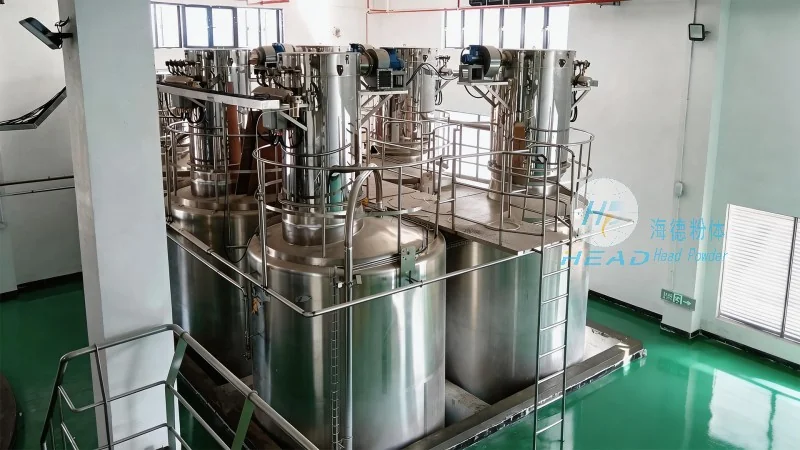
Overview of Steel Sand Powder Pneumatic Conveying Equipment
Steel sand powder pneumatic conveying equipment, often referred to as a pneumatic conveyor system, is engineered to handle the unique characteristics of steel sand powders. These materials are typically abrasive, dense, and require precise control during transportation to prevent degradation or loss. The system is designed to operate under controlled pressure and flow conditions, ensuring optimal performance and minimal material degradation.
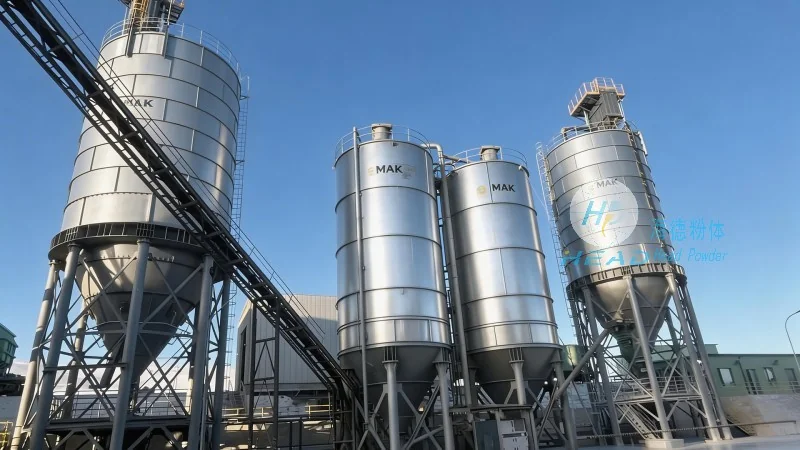
Working Principle of the Pneumatic Conveying System
The core working principle of steel sand powder pneumatic conveying equipment involves the use of compressed air or gas to transport the powder material through a pipeline network. The system typically consists of a hopper for material storage, a feeder to control the flow rate, a conveying line, and a receiver for the discharged material. As the steel sand powder is introduced into the hopper, it is fed into the conveying line under the pressure of the air stream. The air flow creates a negative pressure or positive pressure environment, depending on the system design, which propels the powder particles through the pipeline. The equipment may utilize either dilute phase or dense phase conveying methods, with dilute phase being common for longer distances and lower material concentrations, while dense phase is preferred for short distances and higher material loads.
Key Features and Advantages of the Equipment
Shandong HeadPowder Engineering Co., Ltd. specializes in manufacturing high-quality steel sand powder pneumatic conveying equipment, offering several distinct features that enhance operational efficiency and reliability. One of the primary advantages is the ability to handle abrasive materials like steel sand without causing excessive wear to the system components. The equipment is constructed with durable materials, such as stainless steel or high-grade alloys, to withstand the corrosive and abrasive nature of the powder. Additionally, the system provides precise control over the flow rate and pressure, ensuring consistent material delivery to downstream processes. The design also minimizes material degradation, as the conveying process is gentle and avoids the use of mechanical components that could break down the powder particles. Another key feature is the flexibility of the system, which can be customized to accommodate varying production volumes and material characteristics. The equipment is also designed for easy maintenance, with accessible components and straightforward operation, reducing downtime and maintenance costs.
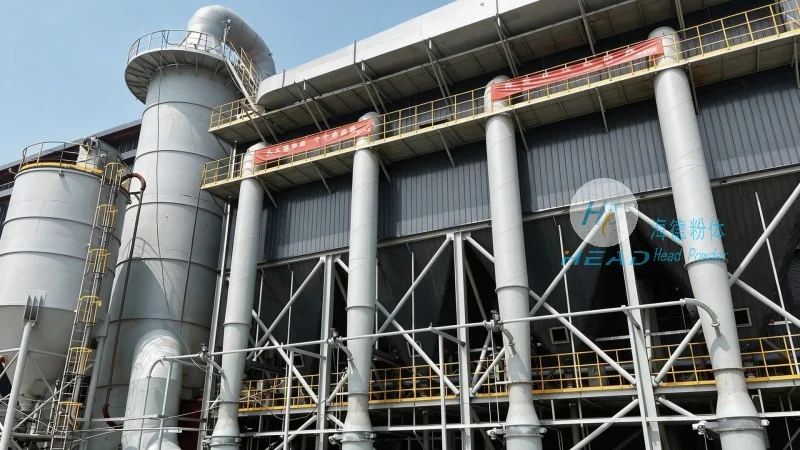
Application and Performance in Industrial Settings
The steel sand powder pneumatic conveying equipment from Shandong HeadPowder Engineering Co., Ltd. is widely used in various industrial applications, including foundries, metal processing plants, and material handling facilities. The system is particularly effective in environments where traditional mechanical conveyors may not be suitable due to the abrasive nature of the material. In foundries, for example, the equipment efficiently transports steel sand powders for molding and casting processes, ensuring consistent quality and reducing material loss. The system's ability to maintain a clean and controlled environment also minimizes contamination risks, which is critical in high-purity applications. Performance-wise, the equipment delivers high throughput rates while maintaining low energy consumption, making it an economical choice for long-term operation. The reliability of the system, with minimal maintenance requirements, ensures consistent performance over extended periods, contributing to overall operational efficiency.