

Working Principle and Features of Zinc Roast Sand Powder Pneumatic Conveying Equipment
Zinc roast sand is a critical intermediate product in the zinc smelting process, and its efficient handling is essential for maintaining production efficiency and safety. Pneumatic conveying equipment has emerged as a preferred solution for transporting zinc roast sand due to its ability to handle fine powders and minimize dust generation. This article explores the working principle and key features of such equipment, highlighting its significance in industrial applications.
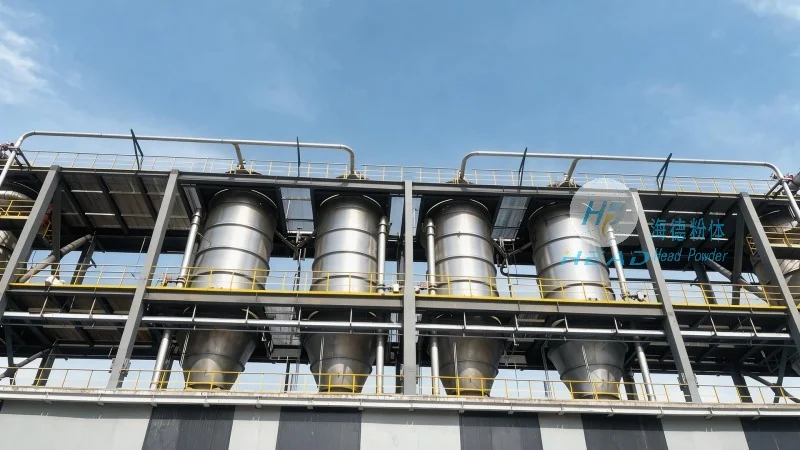
Introduction to Zinc Roast Sand Pneumatic Conveying Equipment
Zinc roast sand, also known as calcined zinc oxide or zinc oxide, is produced through the roasting of zinc concentrate. It is a fine powder with a high specific surface area, making it challenging to transport using traditional methods like belt conveyors or bucket elevators. Pneumatic conveying systems utilize air to transport the powder, offering a dust-free and flexible solution. The equipment typically consists of a hopper, a blower, a pipeline system, and a discharge device, all working in tandem to ensure smooth material transfer.
Working Principle of the Equipment
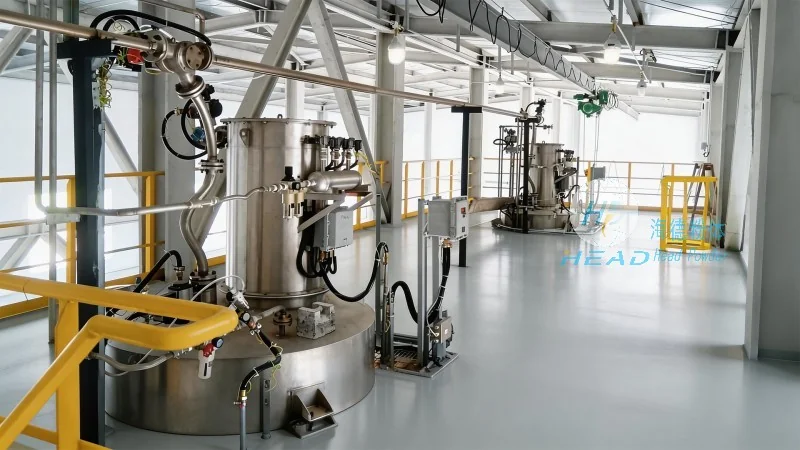
The core working principle of zinc roast sand pneumatic conveying equipment is based on the movement of air and the suspension of powder particles. When the blower generates a high-pressure airflow, it enters the hopper and lifts the zinc roast sand particles into the pipeline. The air velocity is maintained above the minimum fluidization velocity of the powder, ensuring that the particles remain suspended and transported through the system. The discharge device at the end of the pipeline then releases the powder into the target container or processing unit. This process is continuous and can be adjusted to handle varying flow rates and material characteristics.
Key Features and Advantages
One of the primary advantages of pneumatic conveying for zinc roast sand is its ability to minimize dust exposure, which is crucial for worker safety and environmental compliance. Unlike mechanical conveying methods, which can generate significant dust and require additional dust control measures, pneumatic systems keep the material enclosed, reducing airborne particles. Additionally, the equipment offers high flexibility in terms of layout, as the pipeline can be installed in various configurations to accommodate different plant layouts. The system also provides a compact design, saving space in industrial facilities. Furthermore, pneumatic conveying is suitable for transporting materials over long distances without the need for multiple transfer points, enhancing overall operational efficiency.
Technical Specifications and Performance
The performance of zinc roast sand pneumatic conveying equipment is defined by several technical parameters. The blower's capacity and pressure are critical, as they determine the maximum flow rate and the height of the material lift. For zinc roast sand, typical blower pressures range from 0.5 to 1.5 bar, with airflow rates ranging from 1000 to 5000 cubic meters per hour, depending on the system size and material characteristics. The pipeline diameter and length also affect the system's efficiency, with larger diameters reducing pressure drop and longer lengths requiring higher air velocities to maintain particle suspension. The equipment is designed to handle particle sizes ranging from 10 to 200 microns, with a bulk density of approximately 1.5 to 2.0 g/cm³. These specifications ensure reliable and consistent material transport, meeting the demands of modern zinc processing plants.
Application Scenarios and Benefits
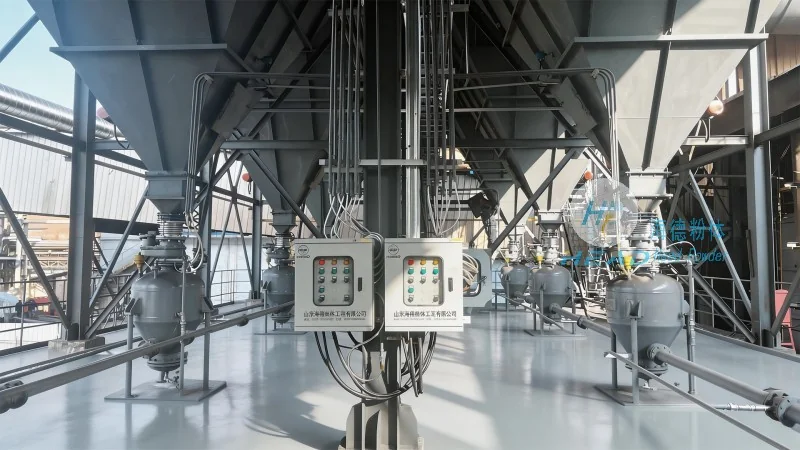
Zinc roast sand pneumatic conveying equipment is widely used in various stages of the zinc production process. It is commonly employed in the transfer of zinc roast sand from the roasting furnace to the leaching or filtration units, where the material is further processed to extract zinc. The equipment is also used in the handling of by-products and waste materials, ensuring that all materials are efficiently and safely transported without contamination. The benefits of using this equipment extend beyond material handling, as it contributes to improved plant safety by reducing dust exposure and enhancing operational efficiency. The system's ability to handle fine powders without clogging or blockages makes it ideal for applications where traditional conveying methods would fail.
Company Profile and Commitment
Shandong HeadPowder Engineering Co., Ltd., a leading manufacturer in the field of powder handling equipment, specializes in providing customized solutions for industrial applications. With a strong focus on innovation and quality, the company has developed advanced pneumatic conveying systems tailored to the unique needs of the zinc industry. HeadPowder's equipment is designed to meet international standards and is backed by a team of experienced engineers and technicians who provide comprehensive support, including installation, commissioning, and maintenance services. The company's commitment to customer satisfaction and product excellence has made it a trusted partner for many zinc processing plants worldwide. HeadPowder's facilities are located in Shandong, China, where the company leverages local expertise and resources to deliver high-quality products and services to its global clientele.