

Desulfurization Sodium Bicarbonate Pneumatic Conveying: An Efficient and Environmentally Friendly Material Handling Solution
Desulfurization sodium bicarbonate, a critical chemical in modern industrial processes, requires reliable and efficient material handling solutions to ensure smooth operations and environmental compliance. Pneumatic conveying systems have emerged as a preferred method for transporting this and other bulk materials, offering advantages in terms of efficiency, safety, and environmental impact. This article explores the benefits and applications of pneumatic conveying for desulfurization sodium bicarbonate, highlighting the expertise of Shandong HeadPowder Engineering Co., Ltd. in providing tailored solutions for industrial clients.
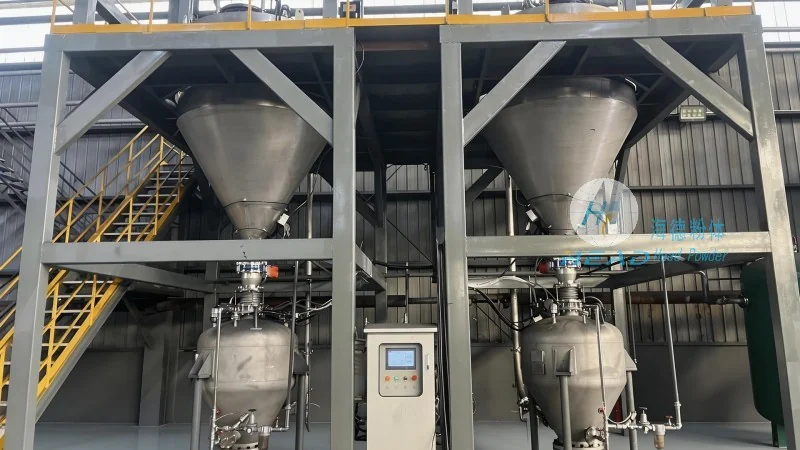
Understanding Desulfurization Sodium Bicarbonate and Its Handling Requirements
Desulfurization sodium bicarbonate, commonly used in flue gas desulfurization (FGD) systems, plays a vital role in reducing sulfur dioxide emissions from power plants and other industrial facilities. This chemical is typically handled in bulk quantities, necessitating robust and reliable transport methods to maintain process efficiency and minimize downtime. Traditional methods such as belt conveyors or bucket elevators may pose challenges, including material degradation, dust generation, and operational inefficiencies. Pneumatic conveying offers a superior alternative by utilizing air to transport the material through a closed system, ensuring minimal contamination and consistent flow rates.
Pneumatic Conveying Systems: How They Work and Their Advantages
Pneumatic conveying systems operate by creating a pressure differential to move material through a pipeline using compressed air. There are two primary types: dilute phase and dense phase. Dilute phase systems are suitable for low to medium material concentrations, where the material is suspended in the air stream, while dense phase systems use higher air pressures to push the material in a slug or plug flow, providing better control and reduced particle degradation. For desulfurization sodium bicarbonate, which is often a fine powder or granular material, dense phase conveying is often preferred due to its ability to handle abrasive and sensitive particles without causing excessive wear or degradation.
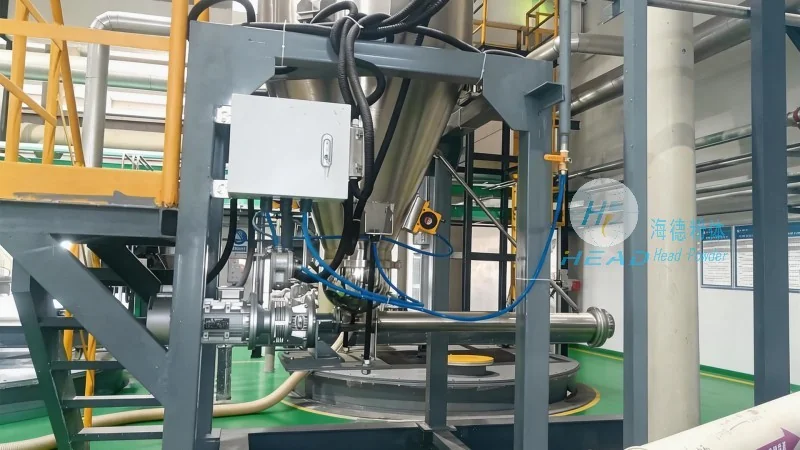
Efficiency and Environmental Benefits of Pneumatic Conveying
One of the key advantages of pneumatic conveying for desulfurization sodium bicarbonate is its high efficiency in material transport. By eliminating the need for mechanical components like belts or buckets, the system reduces maintenance costs and operational downtime. Additionally, pneumatic conveying systems are enclosed, which helps contain dust and prevent environmental contamination, aligning with stringent environmental regulations. The closed system design also minimizes the risk of material exposure to air, reducing the potential for moisture absorption or chemical reactions that could affect the material's quality. This environmental friendliness is a significant factor for industries aiming to meet sustainability goals and comply with environmental standards.
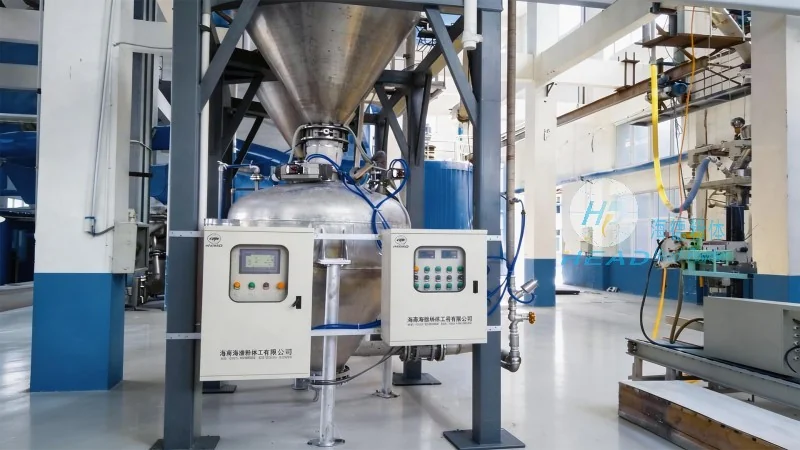
Tailored Solutions by Shandong HeadPowder Engineering Co., Ltd.
Shandong HeadPowder Engineering Co., Ltd., a leading provider of material handling solutions, specializes in designing and implementing pneumatic conveying systems tailored to the specific needs of desulfurization sodium bicarbonate applications. The company leverages years of experience in industrial engineering to develop customized systems that optimize material flow, reduce energy consumption, and enhance overall operational efficiency. HeadPowder's expertise includes the selection of appropriate conveying equipment, such as rotary valves, airlocks, and filters, as well as the integration of control systems to ensure smooth and automated operation. The company's solutions are designed to meet the unique challenges of handling desulfurization sodium bicarbonate, including its fine particle size, potential for dust generation, and the need for precise dosing in industrial processes.
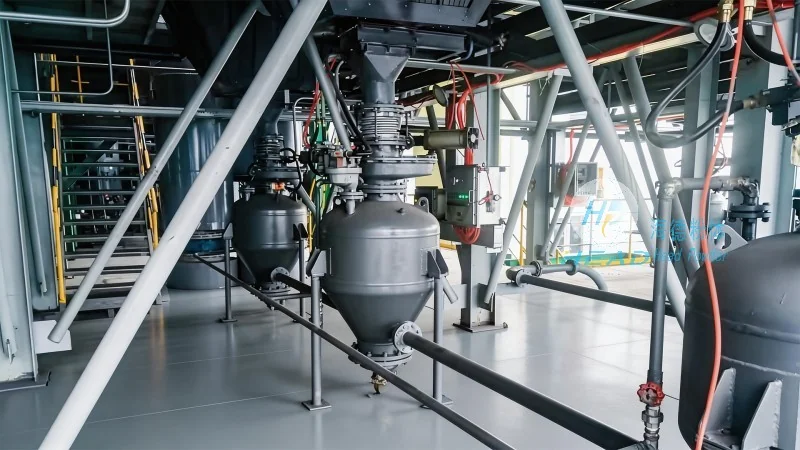
Applications and Industries Served
Pneumatic conveying systems for desulfurization sodium bicarbonate are widely used in various industries, including power generation, chemical manufacturing, and environmental engineering. In power plants, these systems are integral to the FGD process, ensuring the efficient transport of sodium bicarbonate from storage to the reaction tower. In chemical plants, the material is used in the production of other chemicals, and pneumatic conveying facilitates seamless integration into production lines. The versatility of pneumatic conveying makes it suitable for a range of applications, from small-scale laboratory operations to large-scale industrial facilities. HeadPowder's solutions have been successfully implemented in numerous projects across China and beyond, demonstrating the reliability and effectiveness of their pneumatic conveying systems for desulfurization sodium bicarbonate handling.
Conclusion: Choosing the Right Material Handling Solution
For industries dealing with desulfurization sodium bicarbonate, selecting the right material handling solution is crucial for maintaining operational efficiency, ensuring environmental compliance, and reducing long-term costs. Pneumatic conveying systems offer a superior alternative to traditional methods, providing high efficiency, environmental benefits, and tailored solutions to meet specific application requirements. With its expertise in industrial engineering and material handling, Shandong HeadPowder Engineering Co., Ltd. stands out as a trusted partner for providing reliable and efficient pneumatic conveying solutions for desulfurization sodium bicarbonate. By investing in a well-designed pneumatic conveying system, industrial clients can enhance their operational performance, reduce environmental impact, and achieve sustainable growth in their respective industries.