

Principle and Working Scene Characteristics of Titanium Ore Powder Pneumatic Conveying Systems
HeadPowder Engineering specializes in the design and implementation of advanced pneumatic conveying systems tailored for the transportation of titanium ore powder. These systems are crucial in industrial settings where efficient and reliable material handling is essential. The technology leverages the principles of fluid dynamics to move bulk materials through a pipeline using air or other gases, offering a dust-free and low-maintenance alternative to traditional methods like belt conveyors or bucket elevators. By utilizing pneumatic transport, industries can achieve seamless integration of material flow, reduce downtime, and enhance overall operational efficiency.
Principle of Pneumatic Conveying for Titanium Ore Powder
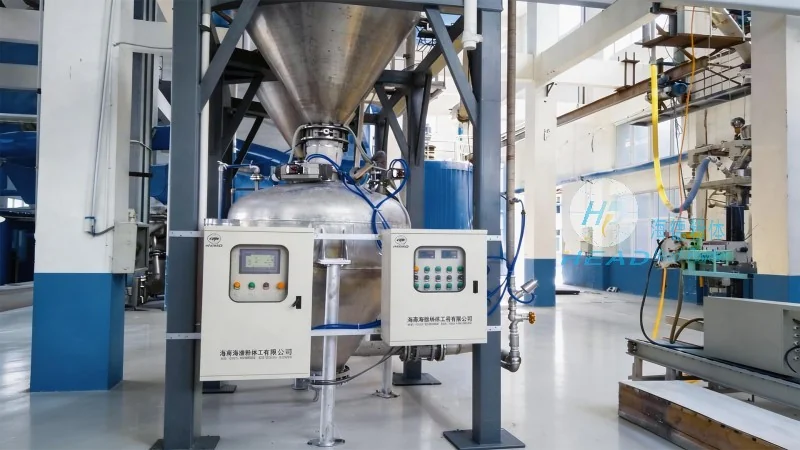
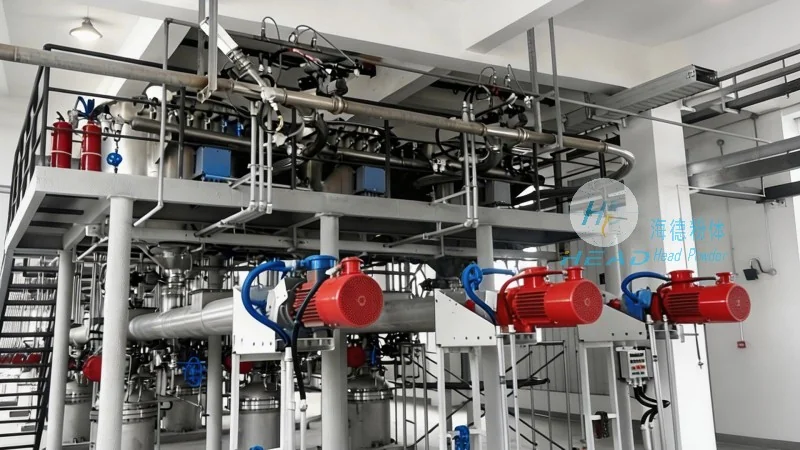
The core principle of pneumatic conveying systems involves creating a flow of air or gas that transports the powder particles through a pipeline. This process can be categorized into two main types: pressure and vacuum (or suction) systems. In pressure systems, compressed air is introduced at the material loading point, generating a high-pressure environment that propels the powder forward. Conversely, vacuum systems use a fan or blower to create a low-pressure zone, drawing the powder into the pipeline. For titanium ore powder, which often has specific properties such as high abrasiveness or variable particle size, the system design must account for these characteristics to ensure optimal performance and longevity of components. Key components in a pneumatic conveying system include the material feeder (e.g., rotary valve or screw feeder), the pipeline network, the air supply unit (compressor or vacuum pump), and the separation equipment (cyclone or filter). Each component is carefully selected and sized to match the specific requirements of the titanium ore powder being handled.
Key Working Scene Characteristics of Titanium Ore Powder Pneumatic Conveying
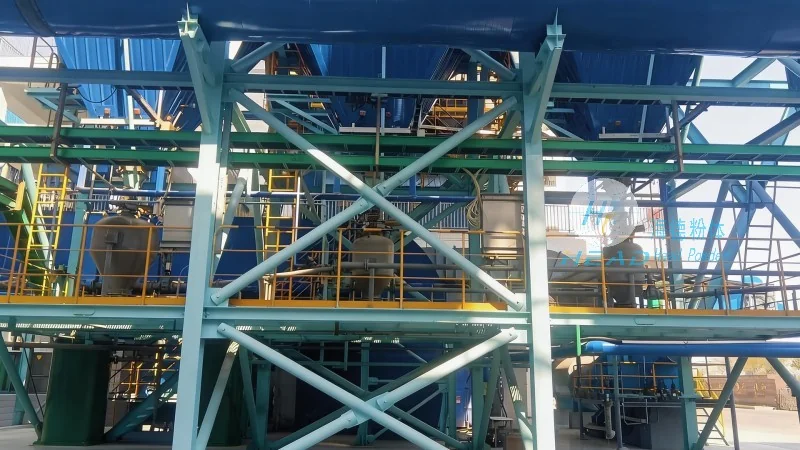
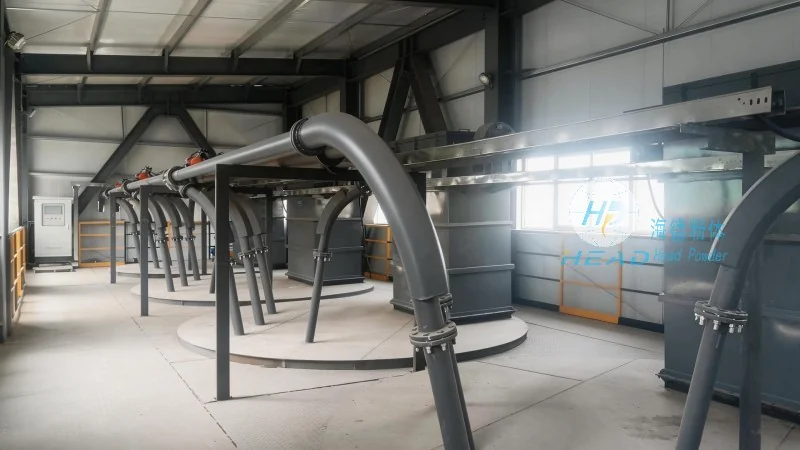
The operational characteristics of pneumatic conveying systems for titanium ore powder are influenced by several factors that define their application scenarios. Firstly, the particle size distribution of the ore powder plays a critical role. Systems are typically optimized for particles ranging from fine powders (e.g., sub-micron) to coarse granules, with adjustments made to the air velocity and pipeline diameter to prevent clogging or excessive pressure drops. For example, fine titanium dioxide powders may require higher air velocities and smaller pipeline diameters to maintain flow, while coarser ore particles can be transported at lower velocities with larger diameters. Secondly, the moisture content of the titanium ore powder is a key consideration. High moisture levels can lead to agglomeration, which may require pre-drying or the use of specialized materials to maintain flowability. HeadPowder Engineering often incorporates moisture control measures, such as heated pipelines or desiccant units, to ensure consistent material transport. Thirdly, the distance and elevation changes between the source and destination points dictate the system configuration. For short-distance, low-elevation applications, simple pressure systems may suffice, while longer or more complex routes may necessitate multi-stage or vacuum-assisted setups to maintain material transport efficiency. The system design also considers the need for dust control and environmental compliance, as titanium ore powder is a fine particulate that can pose health and safety risks if not properly contained.