

Principle and Working Scene Characteristics of Silicate Pneumatic Conveying Systems
Silicate materials, such as powders and granules derived from minerals like quartz, feldspar, and clay, are widely used in various industrial applications including construction, ceramics, and chemical manufacturing. The efficient handling of these materials is crucial for maintaining production efficiency and product quality. Pneumatic conveying systems offer a reliable solution for transporting silicate materials over short to medium distances, providing advantages like dust control, low maintenance, and the ability to handle a wide range of particle sizes and flow rates.
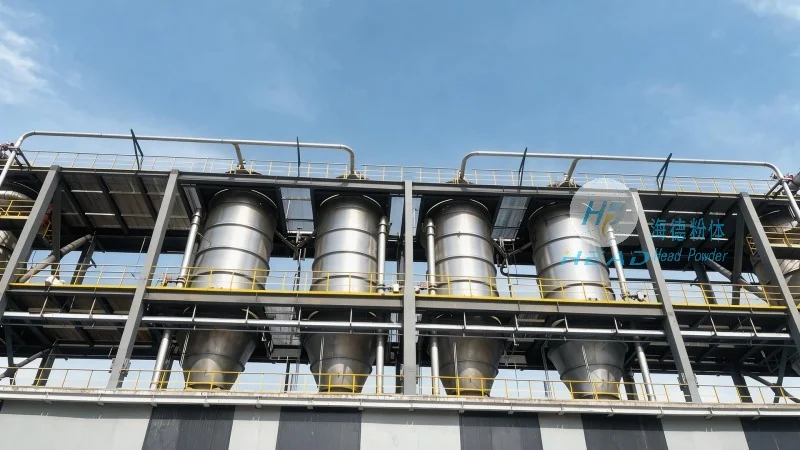
Principle of Pneumatic Conveying
The core principle of pneumatic conveying for silicate materials involves the use of compressed air to transport the material through a pipeline. The system typically consists of a material hopper, a rotary valve or feeder, a conveying line, and a receiver or discharge point. As the material is fed into the pipeline, the compressed air creates a flow that lifts and moves the particles. The design of the system, including the air velocity and pipeline diameter, is critical to ensure efficient transport without causing excessive pressure drops or material degradation.
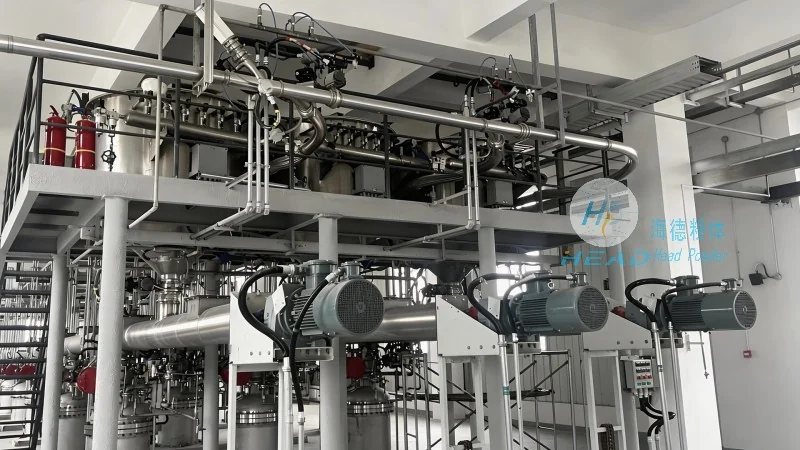
Working Scene Characteristics
The application of silicate pneumatic conveying systems varies based on the specific industry and operational requirements. In construction material processing, these systems are often used to transport raw materials like sand and cement to production lines. In the ceramics industry, they facilitate the movement of clay and feldspar powders from storage to mixing and shaping equipment. The key characteristics of these working scenes include the need for consistent material flow, minimal contamination, and compatibility with different processing environments. For example, in a ceramic factory, the system may need to handle fine powders that are sensitive to moisture, requiring careful control of air humidity and temperature to prevent clumping or degradation.
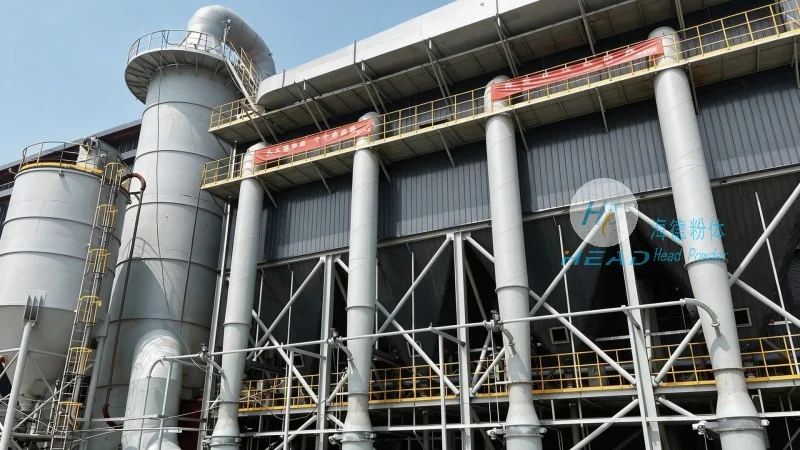
System Components and Design Considerations
Headpowder, a leading provider of engineering solutions, specializes in designing and manufacturing pneumatic conveying systems tailored to the unique needs of silicate material handling. The company’s expertise lies in selecting appropriate components such as air compressors, material feeders, and pipeline materials that are resistant to corrosion and abrasion from silicate particles. The design process involves detailed analysis of material properties, flow rates, and operational conditions to ensure optimal performance. For instance, in a chemical plant processing feldspar, the system may incorporate special seals and filters to prevent dust leakage and maintain environmental compliance.
Advantages in Industrial Applications
Implementing silicate pneumatic conveying systems offers several advantages over traditional methods like belt conveyors or bucket elevators. These systems provide a closed-loop operation that reduces dust emissions and improves workplace safety. Additionally, they allow for flexible layout designs, enabling materials to be transported in multiple directions or to different processing stages without the need for complex reconfiguration. The low maintenance requirements and energy efficiency of pneumatic systems also contribute to long-term cost savings for industrial operations. Headpowder’s systems are engineered to maximize these benefits while ensuring durability and reliability in demanding industrial environments.
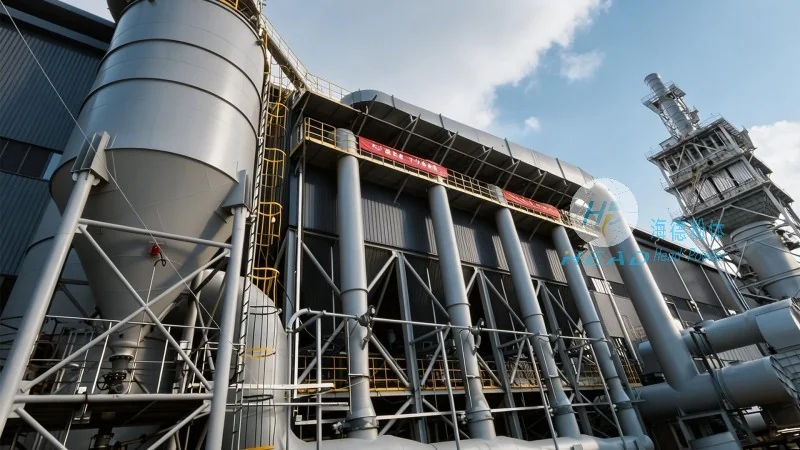
Case Study: Application in a Ceramic Manufacturing Plant
A case study from a ceramic manufacturing plant in Shandong, China, illustrates the successful implementation of a silicate pneumatic conveying system by Headpowder. The plant processes clay and feldspar powders, which were previously transported using manual handling methods, leading to high labor costs and material loss. The new system, designed by Headpowder, includes a hopper with a rotary valve feeder, a 100-meter conveying line, and a receiver integrated with the mixing equipment. The system operates at a flow rate of 5 tons per hour, with air velocity controlled to maintain consistent particle movement. The results show a significant reduction in material handling time, improved product quality due to reduced contamination, and lower operational costs. The plant management reported that the system has increased overall production efficiency by 20% and reduced dust-related maintenance by 30%.