

Principle and Working Scene Characteristics of Glass Slag Pneumatic Conveying Systems
Shandong HeadPowder Engineering Co., Ltd., a leading provider in the field, specializes in the design and implementation of advanced pneumatic conveying systems tailored for handling glass slag. This article delves into the fundamental principles behind such systems and explores the distinct characteristics of their operational environments.
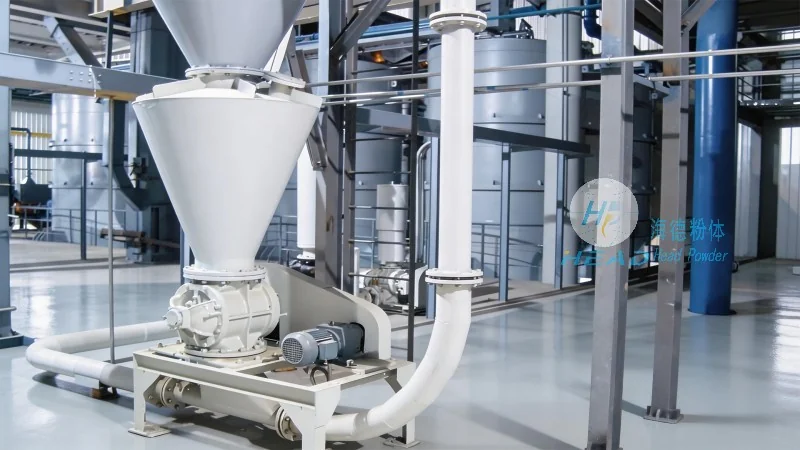
Core Principle of Pneumatic Conveying for Glass Slag
The pneumatic conveying system operates on the principle of transporting bulk materials, in this case, glass slag, through a pipeline using a stream of air or other gas. The process involves creating a pressure differential within the system, which propels the material from the source to the destination. For glass slag, which is typically fine and abrasive, specialized equipment is employed to ensure efficient and safe transport. The system often incorporates components such as a hopper, a rotary valve, a conveying line, and a receiver, each playing a critical role in the overall operation. The air flow is controlled to maintain optimal velocity, preventing material deposition and ensuring consistent movement. This method offers advantages over traditional mechanical conveying, including reduced wear on equipment, lower maintenance costs, and the ability to handle materials in hazardous or confined spaces.
Key Working Scene Characteristics
The operational environments for glass slag pneumatic conveying systems vary based on the application and the scale of the glass manufacturing facility. In glass production plants, these systems are commonly integrated into the waste management and recycling processes. The primary working scene is the glass furnace area, where slag is generated as a byproduct of the melting process. The system must be capable of handling high-temperature and high-volume slag, often at temperatures exceeding 1000°C, requiring robust materials and insulation for the conveying components. Another key scene is the recycling or reprocessing facility, where the slag is transported to be crushed, sorted, or used as a raw material in other industrial applications. Here, the system must accommodate varying particle sizes and moisture content, ensuring consistent performance. The characteristics of these working scenes include high ambient temperatures, dust generation, and the need for dust control measures, such as filtration systems, to comply with environmental regulations. Additionally, the systems are often designed for continuous operation, with minimal downtime, to support the continuous production cycles of glass manufacturing.
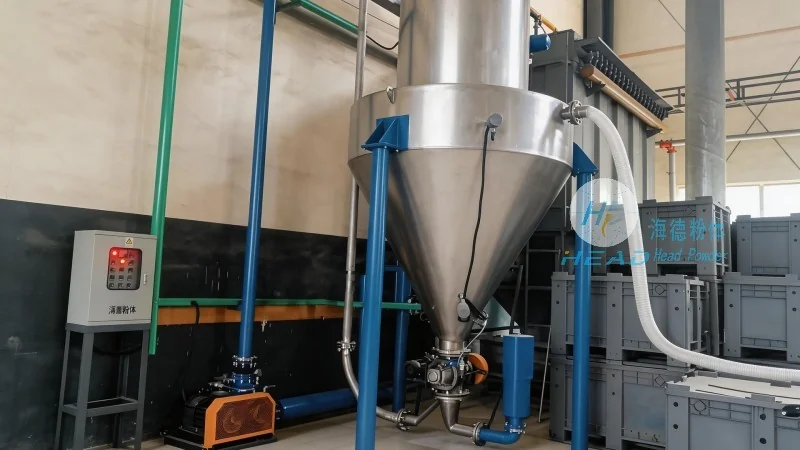
System Components and Their Roles
Each component of the pneumatic conveying system is engineered to address the specific challenges of glass slag transport. The hopper serves as the storage and feeding unit, where the glass slag is collected before being introduced into the system. It is typically equipped with a discharge valve to control the flow rate. The rotary valve, or feeder, is crucial for regulating the material feed into the conveying line, preventing blockages and ensuring a steady stream. The conveying line itself is made from durable materials, such as stainless steel or high-grade plastic, to withstand the abrasive nature of glass slag and the high temperatures involved. The receiver or discharge hopper collects the material at the destination, where it can be further processed or stored. The air compressor or blower provides the necessary pressure and airflow to move the material through the system. In some designs, a vacuum system is used for reverse flow or to handle materials from lower elevations. The control system, often automated, monitors and adjusts the air pressure, flow rate, and material feed to maintain optimal operation. This integration of components ensures the system operates efficiently and reliably, even under demanding conditions.
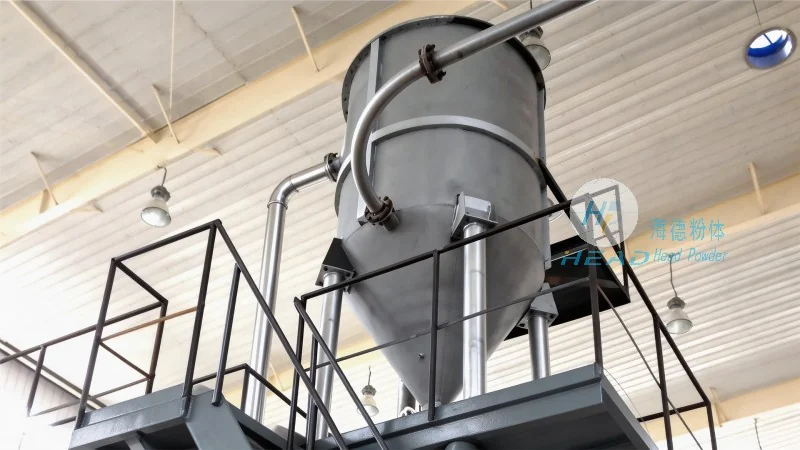
Advantages and Applications
The use of pneumatic conveying systems for glass slag offers several advantages over traditional methods. Firstly, it provides a dust-free and enclosed transport process, reducing the risk of environmental contamination and improving workplace safety. Secondly, the system minimizes material loss and degradation, as the material is contained within the pipeline, preventing exposure to external elements. Thirdly, it allows for flexible routing, enabling the material to be transported to multiple destinations or processing units from a single source. The applications of these systems are widespread in the glass industry, including the transport of slag from the furnace to a crushing or sorting facility, the transfer of recycled glass to the melting process, and the removal of waste from production lines. In addition, the systems can be adapted for other industrial applications involving fine, abrasive materials, such as cement, minerals, or food products, demonstrating their versatility and broad utility.
Conclusion
Shandong HeadPowder Engineering Co., Ltd. specializes in the development and implementation of efficient glass slag pneumatic conveying systems. By understanding the fundamental principles of pneumatic transport and the unique characteristics of glass slag, these systems are designed to meet the demands of modern glass manufacturing. The integration of robust components, advanced control systems, and environmental considerations ensures reliable and sustainable operation. As the glass industry continues to prioritize efficiency and sustainability, pneumatic conveying systems remain a critical technology for managing glass slag, supporting both production processes and environmental compliance.