

Principle and Working Scene Characteristics of PVC Powder Pneumatic Conveying Systems
HeadPowder, a leading engineering company based in Shandong, China, specializes in the design and implementation of advanced pneumatic conveying systems for handling PVC powders. This article explores the fundamental principles behind these systems and highlights the key characteristics of their operational scenarios, providing a comprehensive overview for industry professionals seeking efficient material transport solutions.
Company Overview: HeadPowder Engineering
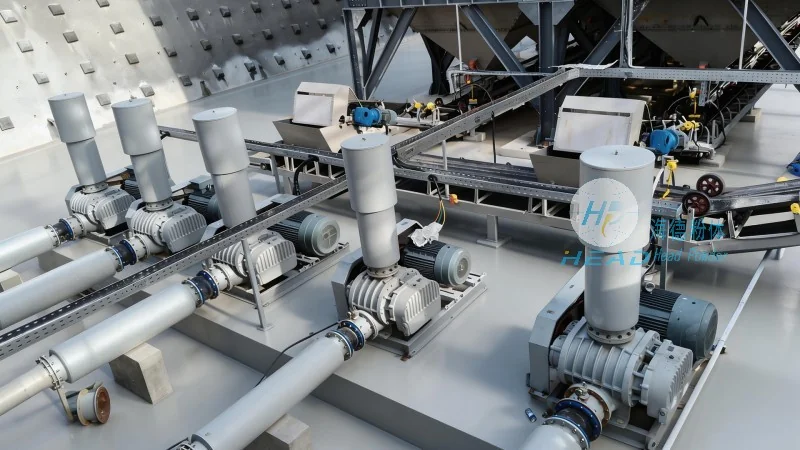
HeadPowder Engineering Co., Ltd. is a reputable enterprise dedicated to providing innovative engineering solutions for material handling. With its headquarters located in Shandong, China, the company leverages years of expertise to develop customized pneumatic conveying systems tailored to the unique needs of various industries. By focusing on precision, reliability, and efficiency, HeadPowder has established itself as a trusted partner in the field of bulk material transport.
Principle of Pneumatic Conveying for PVC Powders
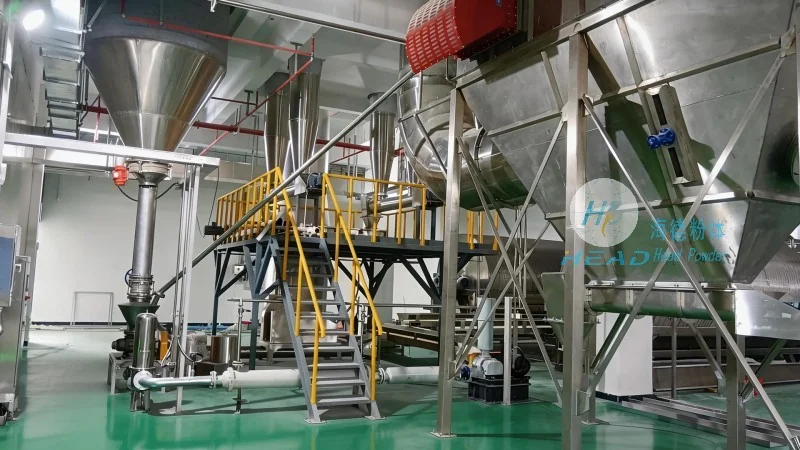
The core principle of a PVC powder pneumatic conveying system involves the use of compressed air to transport dry powders through a pipeline. This method, known as pneumatic conveying, relies on the generation of a pressure differential to move the material from the source to the destination. In the case of PVC powders, the system typically operates under positive pressure, where air is forced through the pipeline, carrying the powder particles along with it. The process ensures that the material is transported without the need for mechanical components like conveyors or buckets, reducing maintenance and operational costs. The system’s design considers factors such as particle size, density, and flow characteristics of the PVC powder to optimize the conveying efficiency. By carefully selecting the appropriate air velocity and pressure, the system can effectively transport PVC powders over long distances with minimal degradation or loss.
Key Working Scene Characteristics
The operational scenarios of PVC powder pneumatic conveying systems exhibit several distinct characteristics that make them suitable for various industrial applications. Firstly, these systems are highly adaptable to different production environments, including manufacturing plants, processing facilities, and storage areas. The flexibility in system configuration allows for integration with existing infrastructure, minimizing disruption during installation. Secondly, the systems are designed to handle varying volumes of PVC powder, from small-scale batches to large-scale production runs, ensuring scalability for growing businesses. Additionally, the pneumatic conveying process offers advantages such as reduced product contamination, as the material is enclosed within the pipeline, preventing exposure to external elements or contaminants. This is particularly critical for PVC powders, which are often used in applications requiring high purity, such as in the production of plastic products or coatings. Furthermore, the systems provide real-time monitoring capabilities, allowing operators to track the flow rate, pressure, and other parameters to ensure optimal performance and prevent potential issues like blockages or air leaks. The ability to adjust the conveying speed and pressure dynamically enhances the system’s responsiveness to changing production demands.
Benefits and Applications
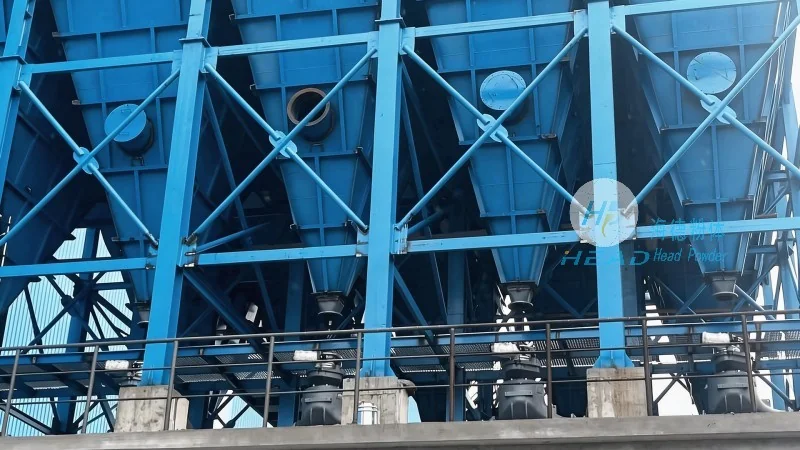
PVC powder pneumatic conveying systems offer numerous benefits that enhance operational efficiency and product quality. The primary advantage is the elimination of manual handling, which reduces labor costs and minimizes the risk of workplace injuries. By automating the material transport process, companies can achieve higher throughput and productivity. The enclosed system also contributes to better environmental control, as it prevents dust emissions and maintains a clean working environment. This is especially important in industries where air quality regulations are stringent. Moreover, the systems are designed for durability and longevity, with components made from materials resistant to the corrosive properties of PVC powders and the effects of compressed air. This ensures low maintenance requirements and extended service life, leading to long-term cost savings. The applications of these systems span across multiple sectors, including the plastics industry, where PVC powders are used in the production of pipes, flooring, and other plastic products. In the chemical industry, they are employed for transporting PVC powders used in coating formulations. Additionally, in the construction sector, these systems facilitate the transport of PVC powders for roofing and siding applications. The versatility of the pneumatic conveying systems makes them a preferred choice for industries seeking reliable and efficient material handling solutions.