

Principle and Working Scene Characteristics of Grain Husk Pneumatic Conveying Systems
HeadPowder, a leading engineering company based in Shandong, China, specializes in the design and implementation of advanced pneumatic conveying systems tailored for handling grain husks and similar bulk materials. This article explores the fundamental principles behind these systems and highlights the key working scene characteristics that make them indispensable in modern industrial applications.
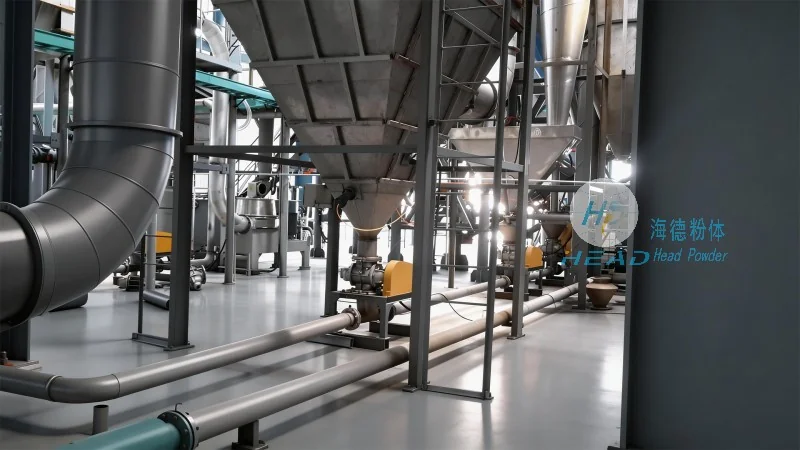
Understanding the Core Principle of Pneumatic Conveying for Grain Husks
The pneumatic conveying system for grain husks operates on the principle of using air as a medium to transport bulk materials through a pipeline network. Unlike traditional mechanical conveyors, which rely on physical contact and friction, pneumatic systems utilize air pressure and velocity to move materials efficiently. The system typically consists of a hopper for material storage, a blower or compressor to generate the necessary air flow, a pipeline system to direct the material, and a discharge point for the conveyed material. The process begins when grain husks are fed into the hopper, where they are then drawn into the pipeline by the moving air. The air velocity is carefully controlled to ensure the material is suspended and transported without clogging or degradation. This method offers significant advantages in terms of flexibility, as it can handle materials with varying particle sizes and moisture content, and it eliminates the need for multiple transfer points, reducing operational complexity and maintenance costs.
Key Working Scene Characteristics of Grain Husk Pneumatic Conveying Systems
The effectiveness of a grain husk pneumatic conveying system is heavily influenced by several working scene characteristics that must be considered during design and implementation. First, the material's physical properties, such as particle size distribution, bulk density, and moisture content, play a critical role. For instance, systems designed for fine grain husks may require higher air velocities and more efficient separation mechanisms to prevent blockages. Second, the distance and elevation changes between the source and destination points are crucial factors. Longer distances or significant vertical lifts demand more powerful blowers and higher air pressure to maintain material suspension. Third, the environmental conditions, including temperature and humidity, can impact the system's performance. Proper sealing and material handling techniques are essential to prevent dust emissions and ensure compliance with environmental regulations. Additionally, the system's integration with other industrial processes, such as drying or storage, requires careful coordination to maintain material quality and process efficiency. These characteristics collectively determine the system's capacity, reliability, and overall operational performance in real-world applications.
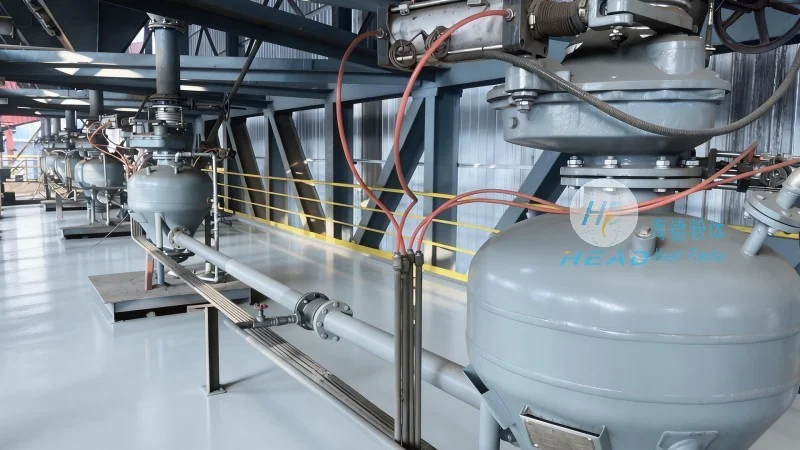
Applications and Industry-Specific Use Cases
Grain husk pneumatic conveying systems find extensive applications across various industries, primarily in agricultural processing, food manufacturing, and biomass energy production. In agricultural processing facilities, these systems are used to transport husks from threshing machines to storage silos or processing units, ensuring a continuous and efficient workflow. The systems are particularly valuable in food manufacturing plants where the quality and purity of the husks are critical, as they can handle materials with low contamination levels and maintain hygiene standards. In biomass energy sectors, the systems play a vital role in transporting husks to biomass boilers or pelletizing machines, contributing to sustainable energy production. The adaptability of pneumatic conveying systems allows them to be customized for specific industry needs, whether it's handling large volumes of raw materials or processing smaller batches with precision. This versatility makes them a preferred choice for companies seeking reliable and efficient material handling solutions.
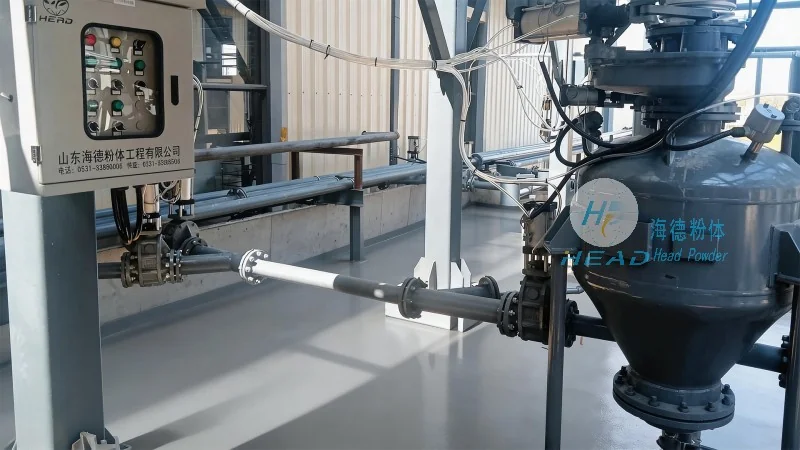
Advantages and Benefits of Using Pneumatic Conveying for Grain Husks
Compared to traditional mechanical conveyors, grain husk pneumatic conveying systems offer several distinct advantages that enhance operational efficiency and reduce costs. One of the primary benefits is the ability to handle materials with high moisture content or sticky properties without clogging, as the air flow effectively prevents material buildup. This is particularly beneficial for grain husks, which can be prone to clumping due to their natural characteristics. Another advantage is the reduced need for maintenance, as there are fewer moving parts compared to mechanical systems, leading to lower repair and replacement costs over the system's lifespan. Additionally, pneumatic systems are more flexible in terms of layout, allowing for easy reconfiguration or expansion as production needs change. The systems also contribute to improved safety by minimizing manual handling of bulk materials, reducing the risk of accidents and injuries. Furthermore, the enclosed pipeline design helps in controlling dust emissions, which is crucial for maintaining a clean and safe working environment. These advantages make pneumatic conveying an attractive option for companies looking to optimize their material handling processes and enhance overall productivity.
Conclusion and Company Expertise
HeadPowder Engineering Co., Ltd., with its headquarters in Shandong, China, is a trusted partner in providing comprehensive pneumatic conveying solutions for grain husk applications. By leveraging advanced engineering principles and industry expertise, the company designs and implements systems that meet the specific needs of its clients, ensuring optimal performance and reliability. The company's commitment to quality and innovation has made it a leader in the field, offering tailored solutions that enhance operational efficiency and reduce costs. Whether for agricultural processing, food manufacturing, or biomass energy production, HeadPowder's grain husk pneumatic conveying systems provide a reliable and efficient means of material handling, supporting the growth and success of its clients in the competitive industrial landscape.