

Principle and Working Scene Characteristics of Aluminum Foil Pneumatic Conveying Systems
Aluminum foil is a widely used material in various industries, including food packaging, pharmaceuticals, and electronics, due to its excellent barrier properties and lightweight nature. The efficient and reliable transportation of aluminum foil from production lines to storage or processing areas is crucial for maintaining product quality and operational efficiency. Pneumatic conveying systems have emerged as a preferred solution for handling aluminum foil, offering a non-contact, low-maintenance method of material transport. This article explores the fundamental principles behind aluminum foil pneumatic conveying systems and highlights the key characteristics of their working environments.
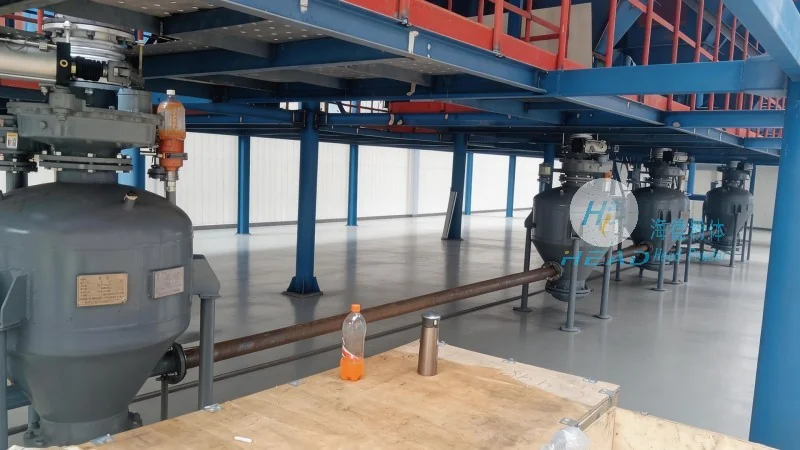
Introduction to Aluminum Foil Pneumatic Conveying Systems
Aluminum foil pneumatic conveying systems are designed to transport aluminum foil sheets or strips through a pipeline using a combination of air pressure and vacuum. The system typically consists of a hopper, a conveyor line, a separation unit, and a receiver. The aluminum foil is fed into the hopper, where it is then drawn into the conveyor line by the airflow generated by a blower or vacuum pump. The air flow carries the foil particles through the pipeline, ensuring a smooth and continuous transport process. This method eliminates the need for mechanical components like belts or rollers, which can cause wear and tear on the delicate aluminum foil surface.
The Working Principle of Pneumatic Conveying Systems
The core principle of pneumatic conveying for aluminum foil involves creating a pressure differential between the hopper and the receiver. In pressure systems, compressed air is introduced into the hopper, pushing the foil into the pipeline. In vacuum systems, a vacuum is created at the receiver end, pulling the foil from the hopper. For aluminum foil, which is lightweight and can be easily disturbed by mechanical contact, the vacuum system is often preferred as it provides a gentler handling environment. The system uses a series of valves and controls to regulate the airflow and ensure consistent material flow rates. The design of the pipeline, including bends and elbows, is critical to maintain the velocity of the air-foil mixture, preventing material deposition or blockages.
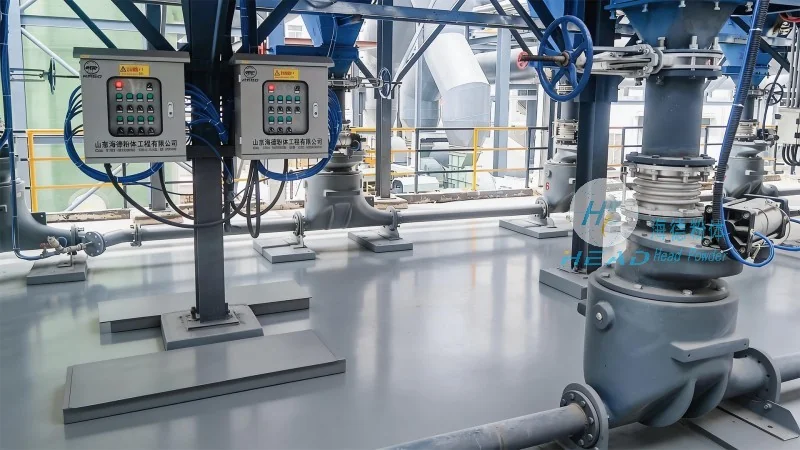
Key Working Scene Characteristics
The working environment of aluminum foil pneumatic conveying systems is characterized by several key factors that influence system performance and efficiency. Firstly, the material's low density and high surface area require careful consideration of air velocity to ensure proper transport without causing degradation or damage. The system must maintain a consistent airflow rate to prevent the foil from settling or sticking to the pipeline walls. Secondly, the cleanliness of the system is paramount, as aluminum foil is often used in food or pharmaceutical applications where contamination must be avoided. The use of stainless steel components and regular cleaning protocols helps maintain a hygienic environment. Thirdly, the system's compact design allows for integration into existing production lines without significant space requirements, making it suitable for both new installations and retrofitting in existing facilities.
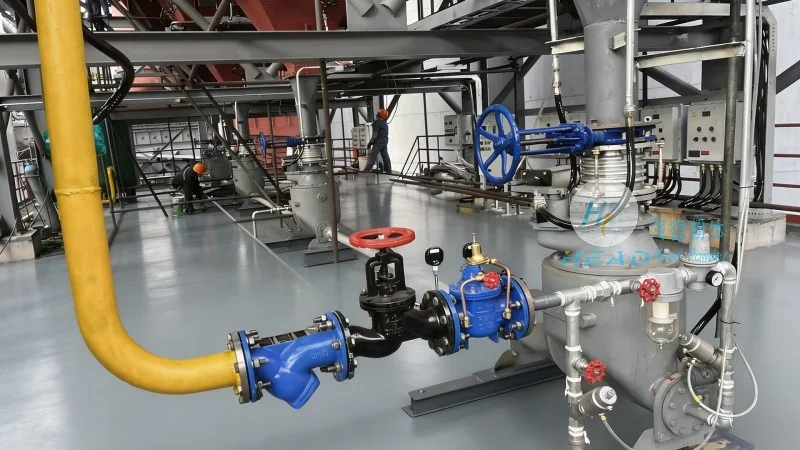
Technical Advantages for Aluminum Foil Handling
Aluminum foil pneumatic conveying systems offer several technical advantages that make them ideal for handling this material. One of the primary benefits is the non-contact nature of the transport process, which prevents scratches, dents, or other surface damage that can occur with mechanical handling methods. This is particularly important for high-value applications where the appearance and integrity of the foil are critical. Additionally, the system's ability to handle fine or irregularly shaped foil pieces makes it versatile for various production stages. The use of advanced control systems allows for real-time monitoring of flow rates and pressure, enabling quick adjustments to maintain optimal performance. Furthermore, the low maintenance requirements of pneumatic systems reduce downtime and operational costs compared to traditional mechanical conveyors.
Application Examples and Industry Benefits
Aluminum foil pneumatic conveying systems are widely used in industries that rely on aluminum foil as a primary material. In the food packaging industry, these systems are used to transport foil from the manufacturing line to packaging machines, ensuring a continuous supply of material without interruptions. In the pharmaceutical sector, the hygienic design of the system helps maintain compliance with regulatory standards, such as those set by the FDA. The electronics industry also benefits from the system's ability to handle thin foil sheets used in battery and capacitor manufacturing, where precision and cleanliness are essential. The overall benefits of using pneumatic conveying for aluminum foil include improved product quality, reduced handling costs, and enhanced operational efficiency, making it a cost-effective solution for businesses in these industries.